How to Prune Amur barberry?
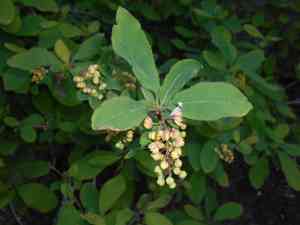
Recognized for its thorny stems and vivid fruit, amur barberry necessitates trimming in late winter or early spring to foster robust development. Concentrate on excising deceased or injured wood and reducing crowded sections to facilitate air movement and light exposure. Trimming additionally aids in shaping the plant and controlling its dimensions. Consistent pruning stimulates enhanced flowering and fruit yield, rendering it a crucial routine for sustaining a thriving and aesthetically pleasing garden.
What Are the Benefits of Pruning Amur Barberry?
What Are the Benefits of Pruning Amur Barberry?
Trimming amur barberry encourages robust development and maintains its form. It also improves air circulation and light penetration, decreasing pest and disease occurrence. This results in healthier, stronger plants with enhanced flowering and fruiting potential.
What Is the Best Time for Pruning Amur Barberry?
What Is the Best Time for Pruning Amur Barberry?
Pruning amur barberry in late winter to early spring is optimal as this period precedes the plant's active growth phase. Trimming before new growth appears allows for rapid wound healing and supports healthy development. Additionally, pruning at this time helps boost the subsequent season's flowering and fruiting, while minimizing plant stress.
What Tools Do I Need to Prune Amur Barberry?
Bypass Pruners
Perfect for cutting live stems and branches up to 1/2 inch thick. These deliver precise cuts that minimize plant damage.
Lopping Shears
Best for thicker branches, typically between 1/2 inch and 1-1/2 inches in diameter. They provide greater leverage for more substantial growth.
Pruning Saw
Utilized for branches exceeding 1-1/2 inches in thickness. The saw's teeth are designed for clean cuts, reducing tearing risk.
Hedge Shears
Useful for shaping and trimming hedge-like structures, ensuring a tidy appearance and controlling overall size.
Gloves
Essential for protecting hands from the sharp thorns of amur barberry. Durable gloves prevent injuries during handling.
How to Prune Amur Barberry
Assessment
Inspect amur barberry for any diseased leaves, withered leaves, dead branches, and diseased branches. Prepare sanitized pruning tools to prevent infection spread.
Diseased leaves
Remove any diseased leaves close to the stem, ensuring complete removal of the affected area to prevent further infection.
Withered leaves
Snip off withered leaves at their base, taking care to use clean cuts to minimize plant stress.
Dead branches
Cut dead branches back to the nearest living branch or a main stem. Make clean cuts just above the branch collar without harming it.
Diseased branches
Prune diseased branches back to healthy wood, cutting well below the diseased tissue. Properly dispose of all diseased material to prevent contamination.
Common Pruning Mistakes with Amur Barberry
Excessive pruning
Cutting back too much of the plant can cause stress and impede its growth. Avoid removing more than one-third of the plant at once.
Improper technique
Using dull or unsuitable tools can harm stems and leaves, leading to diseases. Always use sharp, clean pruning shears.
Wrong cuts
Making cuts too close to the bud or leaving stubs can damage the plant. Aim to cut just above a bud with a slight angle.
Ignoring the plant's shape
Pruning without considering amur barberry's natural form can result in an unattractive and unhealthy plant. Preserve the overall shape while pruning.
Overlooking dead or diseased wood
Failing to remove dead, diseased, or crossing branches can hinder healthy growth and spread disease.
Common Pruning Tips for Amur Barberry
Target diseased wood
First, remove any dead, diseased, or crossing branches. This helps prevent disease spread and encourages healthy growth.
Use proper tools
Invest in sharp, clean, and appropriate pruning tools. This ensures clean cuts that heal well and reduce infection risk.
Preserve the natural shape
Aim to maintain amur barberry's natural form by selectively cutting back branches to a lateral bud or branch, promoting a balanced structure.
Thin out crowded areas
Reduce congestion by thinning out dense areas. This allows light and air to penetrate, promoting better overall health.
Make clean cuts
Cut at a slight angle just above a bud or branch junction. This encourages water runoff and reduces the risk of rot.



