How to Prune Painted-leaf begonia?
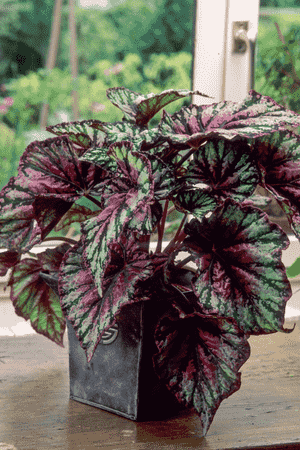
This lively ornamental plant, distinguished by its vivid, variegated foliage, flourishes with consistent trimming. To ensure peak vitality, remove faded blooms from painted-leaf begonia and snip off any discolored, injured, or excessively dense leaves with disinfected scissors. Performing this upkeep from early spring through late autumn stimulates a more compact form and improves air movement. Always leave a minimum of several leaves on each stalk to guarantee painted-leaf begonia can adequately perform photosynthesis. This kind of care not only boosts its visual charm but also fosters strong, lush foliage.
Advantages of Trimming Painted-leaf Begonia
Advantages of Trimming Painted-leaf Begonia
Trimming painted-leaf begonia promotes vigorous development and preserves its decorative shape. By removing old or overgrown leaves, painted-leaf begonia can direct energy towards new, healthy growth, which sustains vitality and an attractive form.
Optimal Time for Trimming Painted-leaf Begonia
Optimal Time for Trimming Painted-leaf Begonia
Trimming painted-leaf begonia in early spring is advantageous as the plant emerges from dormancy, allowing new growth to be shaped for peak health and appearance. Pruning before the growing season begins enables the removal of any dead or damaged leaves from winter, preventing disease and directing energy to new growth. Continuing to trim painted-leaf begonia until late autumn ensures the plant maintains its desired form and size throughout its active growth phase. During the growing season, removing spent leaves and flowers encourages denser growth and more vibrant foliage, a characteristic of painted-leaf begonia. It is crucial to stop pruning as painted-leaf begonia approaches winter dormancy to avoid stress and harm to the plant during colder months when its growth and recovery capabilities are reduced.
Tools Required for Trimming Painted-leaf Begonia
Sharp Bypass Pruners
Perfect for making clean cuts without harming the stems of painted-leaf begonia. They operate like scissors, with two blades passing each other to create a precise cut.
Micro-Tip Snips
Useful for precise trimming of painted-leaf begonia's small leaves or for deadheading. The fine tip allows for greater accuracy without causing unnecessary damage to other parts of the plant.
Disinfectant
Crucial for preventing the spread of disease when trimming painted-leaf begonia. Disinfecting blades before and after use ensures healthy cuts.
Gloves
Protects hands when trimming painted-leaf begonia, as repeated contact with the plant's sap could potentially cause skin irritation for sensitive individuals.
How to Trim Painted-leaf Begonia
Step1: Identifying Parts to Trim
Identify the sections of painted-leaf begonia that need trimming, including yellow leaves, withered branches, and overgrown foliage. Before starting, ensure that the pruning tools are clean and sharp to prevent disease transmission and to make precise cuts.
Step2: Removing Yellow Leaves
Begin by removing any yellow leaves. Gently grasp each yellow leaf near its base and use pruning scissors to snip it off where it connects to the stem or at the base of the leaf stalk. If the leaf detaches easily without cutting, it is sufficiently decayed for manual removal.
Step3: Pruning Withered Branches
Proceed by pruning withered branches. Locate the base of each withered branch and make a clean cut just above a healthy leaf node. A leaf node is a small bump or slight swelling on the stem from which leaves grow. This encourages new growth from the remaining healthy parts of the stem.
Step4: Trimming Overgrown Foliage
To manage overgrown foliage, shape painted-leaf begonia by cutting back any excessive growth. Trim these areas by making angled cuts just above a leaf node or along the natural shape of painted-leaf begonia to promote a bushier and more compact growth habit. Aim for uniform shape, but be careful not to remove more than one-third of the plant's total foliage at a time to avoid shock. If necessary, perform additional shaping over several pruning sessions.
Step5: Cleanup and Debris Removal
After trimming, remove all cuttings and fallen debris from around painted-leaf begonia to reduce the risk of pests and diseases. Clean the pruning tools again to prevent cross-contamination before storage.
Step6: Post-Pruning Care and Watering
Water painted-leaf begonia if the soil is dry and provide appropriate aftercare. This includes ensuring painted-leaf begonia is in a location with indirect light and maintaining consistent temperature and humidity levels suitable for its growth requirements.
Aftercare for Painted-leaf Begonia Following Pruning
Aftercare for Painted-leaf Begonia Following Pruning
Immediately after trimming painted-leaf begonia, ensure clean cuts to prevent disease. Adjust environmental conditions, maintaining moderate indirect sunlight, high humidity (60%+), and temperatures between 60-75°F. Post-pruning, painted-leaf begonia benefits from reduced watering to match its decreased transpiration needs. Two weeks later, apply a balanced, diluted liquid fertilizer to encourage growth. Regularly inspect for signs of stress or pests, such as wilting, discoloration, or damaged foliage, and treat promptly with appropriate horticultural measures.
Common Errors When Trimming Painted-leaf Begonia
Avoid Excessive Pruning to Prevent Shock and Poor Health
Excessive pruning, which can shock painted-leaf begonia and lead to poor growth or plant health.
Do Not Cut Too Close to the Main Stem or Nodes
Cutting too close to the main stem or leaf nodes, potentially harming the plant and hindering new growth.
Use Clean, Sharp Tools for Precise Cuts
Using dull or dirty pruning tools, which can make imprecise cuts and introduce disease to the plant.
General Trimming Advice for Painted-leaf Begonia
Use Clean, Sharp Tools for Healthy Pruning Cuts
Always use clean, sharp scissors or pruning shears to make clean cuts without damaging painted-leaf begonia's delicate stems.
Prune Above a Leaf Node for Bushier Plant Growth
Prune just above a leaf node to encourage bushier growth and remove only the necessary amount of foliage to shape the plant or remove dead or damaged leaves.
Remove Dead Leaves Regularly Without Over-pruning
Regularly check for and remove any dead or yellowing leaves to maintain painted-leaf begonia's aesthetic and health, without over-pruning.



