How to Prune Dwarf white bauhinia?
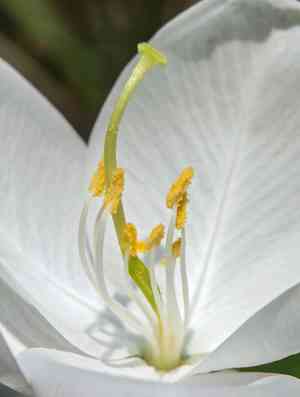
Distinguished by its pristine, orchid-like blossoms and bilobed foliage, dwarf white bauhinia thrives with regular trimming to preserve its dense form. Essential methods involve judiciously shortening elongated stems and removing faded flowers to stimulate fresh development. The most favorable time for pruning is from late winter to early spring, coinciding with the plant's inactive phase, which lessens strain and fosters robust blooming in springtime. Trimming not only sculpts dwarf white bauhinia but also boosts its well-being by improving air movement and lowering the chance of illness.
What Are the Benefits of Pruning Dwarf White Bauhinia?
What Are the Benefits of Pruning Dwarf White Bauhinia?
Trimming dwarf white bauhinia promotes robust development and maintains an attractive form. Eliminating dead or overgrown limbs enhances air circulation, lowering disease risk. Pruning also stimulates blooming, keeping dwarf white bauhinia visually appealing and thriving.
What Is the Best Time for Pruning Dwarf White Bauhinia?
What Is the Best Time for Pruning Dwarf White Bauhinia?
Late winter and early spring are considered optimal times to prune dwarf white bauhinia, as trimming during these periods prepares the plant for the new growth typically seen in spring. Late winter pruning removes dead or diseased branches before the plant directs its energy into new development. This allows gardeners to shape the plant and manage its size more effectively, as the remaining branches will soon produce fresh leaves and flowers. Early spring pruning, performed just before or as new buds begin to emerge from dormancy, is ideal for stimulating healthy new shoots and improving overall plant vigor. It also minimizes the risk of disease infection, as cuts heal faster during the start of the growth period. Additionally, since dwarf white bauhinia flowers on the current year's growth, pruning at this time maximizes the plant's flowering potential and aesthetic appeal in the subsequent blooming season.
What Tools Do I Need to Prune Dwarf White Bauhinia?
Bypass hand pruners
Perfect for making clean cuts on smaller stems and branches of dwarf white bauhinia, ensuring minimal harm to plant tissues.
Lopping shears
Most suitable for cutting through thicker branches of dwarf white bauhinia that are too large for hand pruners, typically up to 1.5 inches in diameter.
Pruning saw
Essential for removing any large branches exceeding 1.5 inches in diameter, allowing for precise and controlled cuts without tearing.
Gardening gloves
Protects hands from thorns and plant sap while pruning dwarf white bauhinia, ensuring safety during the process.
Cleaning solution for tools
Used to sanitize pruning tools before and after use to prevent the spread of diseases among dwarf white bauhinia specimens.
How to Prune Dwarf White Bauhinia
Clean Tools
Before pruning dwarf white bauhinia, clean and sterilize all cutting implements to prevent disease transmission. Use a solution of one part bleach to nine parts water or rubbing alcohol to wipe the blades.
Remove Dead Branches
Carefully inspect dwarf white bauhinia for dead branches, which will lack leaves or flowers and may appear gray and brittle. Using sharp pruning shears, cut these branches at their base or back to a main branch, making a clean cut just above a node or lateral bud.
Remove Diseased Branches
Identify any branches showing signs of illness, such as discoloration, cankers, or abnormal growth. Remove these branches by cutting back to healthy wood, well below any affected sections, to prevent further infection of dwarf white bauhinia.
Smooth Cuts
After removing dead or diseased branches from dwarf white bauhinia, ensure all cuts are smooth and close to the trunk or main branches without leaving stubs, as uneven cuts can be entry points for pests and diseases.
Disinfect Tools Post Pruning
After pruning, clean and disinfect all tools again before storing them or using them on another plant. Dispose of or destroy removed dead or diseased branches to minimize the risk of disease transmission to dwarf white bauhinia or other plants.
Common Pruning Mistakes with Dwarf White Bauhinia
Over Pruning
Removing too much foliage at once can stress dwarf white bauhinia, hindering its growth and bloom potential.
Using Dull Tools
Dull pruning tools can cause uneven cuts or crush stems, leading to potential disease entry points.
Pruning Without Plan
Random or excessive cutting without understanding the growth pattern of dwarf white bauhinia can lead to poor plant shape and less flowering.
Neglecting Diseased Material
Failing to remove diseased or dead materials promptly can allow problems to spread, negatively impacting dwarf white bauhinia's health.
Ignoring Crossing Branches
Failing to address crossing or rubbing branches can cause wounds and entry points for pests and diseases.
Common Pruning Tips for Dwarf White Bauhinia
Clean Cuts
Make clean cuts at a 45-degree angle, just above a leaf node or branching point to encourage dwarf white bauhinia to produce new growth in the desired direction.
Sterilize Tools
Always use sterilized pruning tools to prevent the spread of disease among plants while pruning dwarf white bauhinia.
Thin Out Center
Thin out the center of dwarf white bauhinia to promote good air circulation and sunlight penetration, which are essential for preventing disease and encouraging even growth.
Maintain Natural Shape
Prune dwarf white bauhinia to maintain its natural shape and size, enhancing its ornamental value without stimulating excessive growth.
Remove Damaged Material
Regularly remove dead, damaged, or diseased branches to keep dwarf white bauhinia healthy and to prevent the spread of potential problems.



