How to Prune Bilimbi?
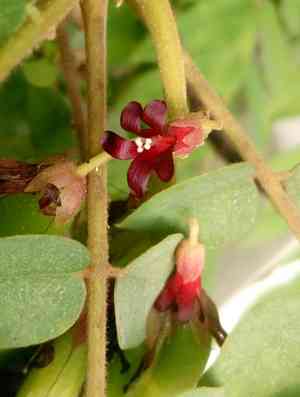
This exotic fruit tree is recognized for its tart, verdant, and elongated fruits. Essential trimming for bilimbi involves reducing crowded branches to enhance airflow, excising compromised or ailing limbs, and sculpting for visual appeal. The most effective pruning should occur in springtime to encourage vigorous development. Specific precautions are few, but making precise cuts and preventing excessive pruning are vital. Consistent trimming boosts fruit yield and general plant well-being.
What Are the Benefits of Pruning Bilimbi?
What Are the Benefits of Pruning Bilimbi?
Trimming bilimbi is crucial for encouraging a strong yield by directing energy to fewer, superior fruits. It promotes robust development, sustaining the plant's vitality and output. Regular cutting helps manage bilimbi's dimensions, fostering an attractive form that can better resist pests and illnesses.
What Is the Best Time for Pruning Bilimbi?
What Is the Best Time for Pruning Bilimbi?
Pruning bilimbi in spring aligns with the plant's recovery after winter, when new growth starts, ensuring it has ample energy to recover from cuts. Trimming before intense summer growth allows bilimbi to focus resources on producing healthy new branches and leaves. Additionally, spring pruning can enhance sunlight penetration and air circulation within the plant, vital for bilimbi's health and fruit cycle. Furthermore, potential pest or disease issues linked to pruning wounds are typically lower in spring, reducing risk for bilimbi. Pruning this season also avoids stress on bilimbi from cutting during hot, dry months, or when the plant is dormant in winter.
What Tools Do I Need to Prune Bilimbi?
Hand Pruners
Perfect for cutting thin branches and shaping bilimbi, ensuring neat and accurate cuts to prevent harm.
Loppers
Suitable for severing thicker branches, offering leverage and reach when shaping the canopy of bilimbi.
Pruning Saw
Essential for removing larger branches from bilimbi, allowing gardeners to manage the tree's structure and eliminate dead wood.
Pole Pruner
Useful for reaching higher branches of bilimbi without needing a ladder, improving safety during pruning tasks.
Gloves
Protective gear to prevent potential skin irritation from bilimbi's sap and ensure a safe pruning experience.
Pruning Shears
Effective for snipping off unwanted fruit or flowers from bilimbi, maintaining plant health and encouraging proper growth.
How to Prune Bilimbi
Clean Tools
Before beginning the pruning process, ensure all pruning tools are clean and sharp to prevent disease spread and make precise cuts on bilimbi.
Inspect
Carefully examine bilimbi for dead or diseased branches. Identifying these is crucial as they can be sources of infection and may deplete energy from healthier plant parts.
Remove Dead Branches
Using clean pruning tools, trim away all dead branches on bilimbi. Make cuts at a 45-degree angle, about a quarter inch above a growing bud or facing outward to encourage proper healing and new growth.
Remove Diseased Branches
Cut away diseased branches from bilimbi. Ensure the entire affected area is removed, and consider cutting slightly into healthy tissue to ensure no diseased parts remain.
Disinfect Tools
After pruning bilimbi, disinfect all tools used. This prevents potential pathogen spread to other plants or back to bilimbi during the next pruning session.
Common Pruning Mistakes with Bilimbi
Overpruning
Removing too much foliage at once can shock bilimbi, leading to stress and reduced vigor. It's important to limit pruning to never remove more than one-third of the plant's overall volume during a single session.
Pruning During Active Growth
Although the specifics of timing have been omitted, pruning bilimbi when it is vigorously growing can interrupt its growth and fruit production cycles.
Improper Cutting
Making jagged or uneven cuts on bilimbi can create open wounds susceptible to disease and pest infestation. It's crucial to make clean, angled cuts.
Neglecting Tool Maintenance
Using dull or dirty tools can damage the plant tissues of bilimbi, hinder healing, and spread disease. Regularly maintaining and sanitizing pruning tools is essential.
Pruning Without Plan
Indiscriminate cutting can lead to poor growth patterns and reduced productivity in bilimbi. Gardeners should always have a clear goal and plan for pruning.
Ignoring Disease Management
Failing to remove diseased or dead branches from bilimbi can encourage the spread of diseases to healthy parts of the plant.
Common Pruning Tips for Bilimbi
Identify And Remove
Locate and eliminate any dead, diseased, or broken branches to promote bilimbi's health, as they can harbor pests and diseases.
Thinning
Thin out dense branches to increase air circulation and sunlight penetration, which are vital for bilimbi's well-being and can help prevent fungal infections.
Shaping
Prune bilimbi to maintain its desired shape and size, but do so gradually to avoid stressing the plant.
Tool Selection
Use sharp, clean pruning shears or loppers for bilimbi, to ensure precise and clean cuts that heal quickly.
Healing
Make sure to cut at a 45-degree angle away from a bud or branch joint on bilimbi, which facilitates water runoff from the cut and promotes faster healing.
Follow Growth Patterns
Prune bilimbi in a way that follows its natural growth habit, encouraging growth in the desired direction and enhancing fruit production.



