How to Prune Garden orache?
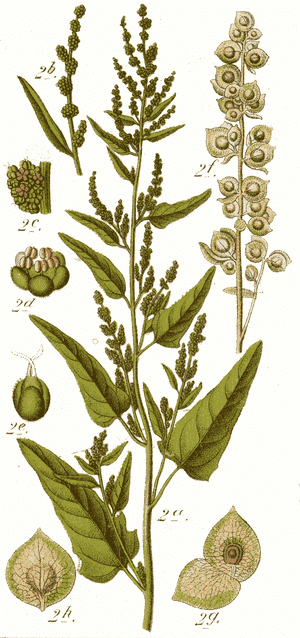
A member of the Amaranthaceae family, garden orache are annual plants valued for their edible leaves. Trimming entails nipping off the tender ends to foster denser development and regular elimination of mature leaves to sustain plant well-being. The best periods are from spring to autumn, coinciding with active growth phases. Judicious pruning guarantees sufficient air circulation, lowers the chance of illness, and enables cultivators to gather leaves continuously. Refrain from making too many cuts to preserve vigor throughout garden orache's developmental stage.
What Are the Benefits of Pruning Garden Orache?
What Are the Benefits of Pruning Garden Orache?
Trimming garden orache promotes robust development and maintains an appealing form. Consistent cutting helps direct garden orache's energy towards producing strong foliage, resulting in a denser and more attractive plant.
What Is the Best Time for Pruning Garden Orache?
What Is the Best Time for Pruning Garden Orache?
In Spring, pruning garden orache ensures the removal of any frost damage from the winter and encourages healthy new growth for the coming season. Early Summer trimming is ideal as it helps shape the plant and control its size before it reaches its maximum annual growth, promoting robust development. Fall pruning is beneficial for removing dead or diseased foliage and can prevent potential issues such as fungal infections over the winter. These optimal pruning times support garden orache's natural growth cycle and help maintain its health and vigor, while also considering its flowering or fruiting periods to avoid cutting back the plant too harshly during times of active growth or reproduction.
What Tools Do I Need to Prune Garden Orache?
Hand Pruners
Ideal for making precise cuts on garden orache, which has relatively soft stems and does not require heavy-duty tools.
Pruning Shears
Efficient for shaping garden orache and maintaining its desired form, as they provide clean cuts without damaging the plants.
Garden Scissors
Perfect for snipping off any unwanted small shoots or leaves of garden orache, ensuring the plant remains healthy and well-groomed.
Loppers
Useful if garden orache has matured to a larger size with thicker stems, as loppers will provide the necessary leverage for thicker cuts.
How to Prune Garden Orache
Identify
Examine garden orache for withered leaves which typically appear brown, dry, and crumpled. These are the parts that will need pruning to maintain health and aesthetics.
Sanitize
Sterilize your pruning tools with a solution of bleach or rubbing alcohol to prevent the spread of disease during the pruning process.
Cut
Using sharpened pruning shears, cut the withered leaves at the base where they meet the stem. Make clean cuts to minimize damage and allow for quicker healing.
Dispose
Carefully remove the withered leaves from the area and dispose of them properly, avoiding composting if the plant is diseased, to prevent the spread of pests or pathogens.
Monitor
Continue to monitor garden orache regularly for additional withered leaves and repeat the pruning process as needed to keep the plant healthy and promote robust growth.
Common Pruning Mistakes with Garden Orache
Over Pruning
Removing too much foliage at once can stress garden orache, leading to poor growth and reduced vigor.
Improper Cut Locations
Cutting either too close to or too far from the main stem or buds can result in damaging garden orache or encouraging disease.
Using Dull Tools
Dull pruning tools can cause jagged cuts, which harm garden orache and may lead to pest infestations or disease.
Neglecting To Prune
Failing to prune garden orache when necessary can lead to overgrowth and a decrease in plant health and aesthetics.
Pruning Without Direction
Random or unstrategic cuts can result in a loss of plant shape and reduced productivity for garden orache.
Lack Of Cleanliness
Not sanitizing tools between cuts can spread disease among garden orache plants.
Common Pruning Tips for Garden Orache
Sharp Tools
Use sharp, clean pruning shears to make precise cuts that will heal quickly and minimize stress on garden orache.
Cut Angle
Cut at a 45-degree angle about 1/4 inch above a leaf or bud pointing in the direction of desired growth for garden orache.
Thin Crowded Areas
Thin out crowded areas to improve air circulation and light penetration, which are essential for the health of garden orache.
Remove Damaged Limbs
Prune any dead, diseased, or damaged limbs promptly to prevent further harm to garden orache.
Encourage Bushy Growth
Pinching back the tips of garden orache can encourage bushier growth and prevent legginess.
Sequence Of Pruning
Start by removing dead or diseased parts, then shape garden orache, keeping the natural form in mind to avoid over-pruning.
Cleanliness
Clean the pruning tools with a disinfectant before and after working on garden orache to prevent the spread of disease.
Prune For Harvest
For garden orache grown for edible purposes, regular pruning can encourage continued production of tender leaves suitable for harvest.



