How to Prune Chinese astilbe?
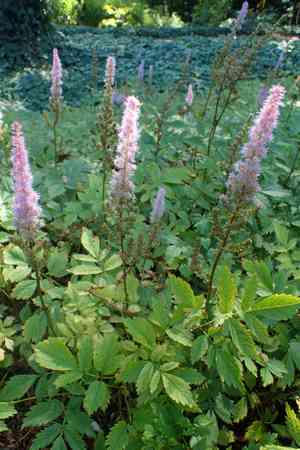
Chinese astilbe, a perennial recognized for its feathery blossoms and abundant leaves, flourishes with appropriate seasonal trimming. The ideal period to prune chinese astilbe is in early spring prior to the emergence of new shoots, or directly following summer blooming, to foster more robust flowers and foliage. Eliminate faded blooms and any lifeless or compromised stalks to uphold visual appeal and stimulate energetic development. Pruning not only improves the plant's look but also averts excessive density and facilitates air movement, which is vital for its progression.
What Are the Benefits of Pruning Chinese Astilbe?
What Are the Benefits of Pruning Chinese Astilbe?
Trimming chinese astilbe encourages robust development and helps maintain its desired form. Regular cutting improves air circulation and light exposure, which are vital for the plant's health and flowering potential. It also prevents overcrowding, fostering stronger, more resilient growth.
What Is the Best Time for Pruning Chinese Astilbe?
What Is the Best Time for Pruning Chinese Astilbe?
Pruning chinese astilbe in Spring and Summer coincides with its active growth phase, allowing the plant to recover quickly and direct its energy towards producing new shoots and blossoms. Spring pruning, specifically, is advised after the last frost, which aids in removing any winter-damaged or dead foliage, thereby stimulating healthy new growth. Summer pruning should focus on deadheading faded blooms to encourage reblooming and sustain plant vigor. These seasons ensure chinese astilbe remains strong and visually appealing throughout its growth cycle.
What Tools Do I Need to Prune Chinese Astilbe?
Bypass Pruners
These pruners are highly recommended for cutting through the relatively thin, fibrous stems of chinese astilbe without causing damage to the plant tissue. Bypass pruners make clean cuts that are essential for healthy regrowth.
Handheld Pruning Shears
Ideal for shaping and refining the appearance of chinese astilbe after the flowering season ends. They provide precision and ease in reaching into dense foliage to remove spent blooms and trim back dead or excess growth.
Garden Scissors
These are useful for deadheading and snipping off old flower stalks at the base. Garden scissors allow for accuracy in maintaining the aesthetic appeal while promoting new bud development.
How to Prune Chinese Astilbe
Disinfect tools
Before starting, disinfect your pruning shears or scissors. This step is vital to prevent the spread of disease among chinese astilbe or other plants. Use a solution of one part bleach to nine parts water to soak the tools for at least 30 seconds, then rinse and dry them thoroughly.
Remove diseased leaves
Carefully inspect chinese astilbe for diseased leaves. Look for signs of discoloration, spots, or unusual markings. Use the disinfected tools to cleanly snip these leaves at their base, taking care not to tear the stems or adjacent healthy leaves. This helps prevent further infection and invigorates chinese astilbe.
Prune withered leaves
Identify and remove all withered or dead leaves from chinese astilbe. These leaves usually look dry, brown, and crisp. Pruning them helps redirect chinese astilbe's energy to healthier, more vigorous growth.
Cut diseased stems
Locate any stems that show signs of disease â these might be discolored, swollen, or host fungal growth. Trim these stems back to healthy tissue, ensuring a clean cut to facilitate quick healing. Avoid cutting healthy stems as it might weaken chinese astilbe.
Clean up
After pruning, collect all removed diseased and dead material and dispose of it away from your garden to reduce the risk of disease spreading. Avoid composting any diseased material. Clean your tools again following the same method as in Step 1 to ensure no pathogens are transferred to other plants or stored on your tools.
Common Pruning Mistakes with Chinese Astilbe
Over-pruning
A frequent mistake is removing too much foliage from chinese astilbe, which can stress the plant and reduce its vigor. Chinese astilbe only requires light pruning to remove dead flowers and tidy up its appearance. Excessive cutting back can lead to fewer blooms and a weakened plant.
Improper cutting technique
Using dull or unclean pruning tools can damage the stems of chinese astilbe, leading to frayed cuts that poorly heal and may invite disease. It's vital to use sharp, clean shears for clean cuts.
Pruning live flower stalks
Another common error is pruning the live flower stalks during the flowering season. This reduces the plant's ability to bloom profusely. Only dead or spent blooms should be removed.
Common Pruning Tips for Chinese Astilbe
Deadheading
Regularly remove spent flower stalks by cutting them back to the base to encourage chinese astilbe to produce more blooms and extend its blooming period. This practice also prevents the plant from using energy to produce seeds.
Post-bloom care
After the bloom season, lightly trim chinese astilbe to shape the plant and remove any dead or diseasoned foliage. This helps maintain a compact, healthy appearance and promotes good air circulation around the plant.
Sanitation
It's crucial to clean up fallen debris and dead leaves around chinese astilbe to reduce the risk of fungal diseases. Clean the cutting tools before and after pruning to avoid spreading any pathogens.
Healthy growth maintenance
To facilitate vigorous growth and flowering in the upcoming seasons, selectively thin out crowded stems. This increases light penetration and air flow to the lower parts of chinese astilbe, enhancing its overall health.



