How to Prune Slenderporeleaf?
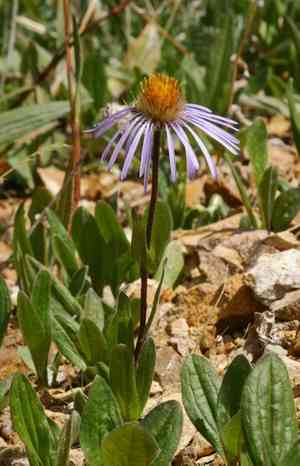
Known for its resilience, slenderporeleaf flourishes with periodic trimming to preserve its form and stimulate vigorous development. Cut away faded flowers and lightly sculpt in the spring, making sure all implements are disinfected to avert pathogen transmission. During the summer, routinely remove spent blossoms to encourage ongoing blooming. This practice enhances the plant's well-being and vitality, simultaneously deterring self-propagation and excessive expansion. Refrain from severe cutting; slenderporeleaf reacts most favorably to a restrained method.
What Are the Benefits of Pruning Slenderporeleaf?
What Are the Benefits of Pruning Slenderporeleaf?
Trimming slenderporeleaf promotes robust development and helps preserve its desired form. Consistent cutting eliminates old, faded leaves and encourages the growth of fresh, strong stems, boosting its overall health and visual appeal.
What Is the Best Time for Pruning Slenderporeleaf?
What Is the Best Time for Pruning Slenderporeleaf?
The ideal periods for trimming slenderporeleaf are Spring and Early Summer, as these times coincide with the post-dormancy growth surge and precede significant flowering. Pruning in Spring allows for the removal of any dead or damaged foliage from winter, while preparing for vigorous new growth. In Early Summer, pruning assists in shaping the plant and managing its size before the peak growing season. This timing ensures rapid plant recovery, lessens disease risk from open cuts during humid or wet periods, and helps stimulate blooming. Avoiding pruning in late summer or fall is crucial, as it can encourage new growth that may not survive winter temperatures.
What Tools Do I Need to Prune Slenderporeleaf?
Hand Pruners
Perfect for making accurate cuts on slenderporeleaf, hand pruners are vital for trimming stems and removing dead or diseased foliage. They enable clean cuts that foster healthy regrowth and are ideal for the relatively thin stems of slenderporeleaf.
Pruning Shears
For shaping slenderporeleaf and controlling its dimensions, pruning shears provide a more robust option suitable for cutting through stems slightly thicker than what hand pruners can manage. The blades should be sharp to prevent harm to the plant tissues.
Gardening Gloves
Though not a cutting implement, gloves safeguard your hands during the trimming process and offer a better grip on the tools. This is important for safely handling slenderporeleaf and preventing potential skin irritation.
Pruning Saw
Should older, woodier stems prove too challenging for hand pruners and shears, a pruning saw might be necessary. However, this tool is generally reserved for larger specimens or mature branches of slenderporeleaf. It is not frequently needed for routine upkeep.
Loppers
If slenderporeleaf has developed thicker branches that are out of reach for hand pruners, loppers can be employed. These tools feature long handles that provide leverage and reach, simplifying pruning without harming the plant.
How to Prune Slenderporeleaf
Clean tools
Before beginning, ensure all trimming tools are clean and sharp to prevent disease transmission and achieve precise cuts.
Remove diseased leaves
Carefully inspect slenderporeleaf and remove any diseased leaves by cutting them at the base where they meet the stem, using precise and clean snips.
Remove withered leaves
Locate withered or dead leaves on slenderporeleaf and snip them off at the base in a similar fashion to encourage healthy growth and air circulation.
Prune diseased stems
Identify any diseased stems on slenderporeleaf. Trim them back to healthy tissue, ensuring you cut just above a leaf node or bud to promote new growth.
Cleanup
After trimming, gather and dispose of all removed plant material away from slenderporeleaf to prevent any potential re-infection or decay processes near the plant.
Common Pruning Mistakes with Slenderporeleaf
Overpruning
Removing an excessive amount of foliage from slenderporeleaf can stress the plant, leading to reduced vigor and fewer blooms.
Improper cut location
Cutting too close to the bud, or leaving a long stub, can harm slenderporeleaf and create entry points for pests and diseases.
Using dull tools
Blunt pruning shears can cause ragged cuts, injure the plant, and hinder the healing process of slenderporeleaf.
Ignoring diseased material
Failing to remove dead or infected material risks the spread of disease to healthy parts of slenderporeleaf.
Neglecting tool cleanliness
Not sterilizing tools between cuts can spread pathogens from infected plants to healthy areas of slenderporeleaf.
Shearing
Employing shearing techniques, typically for hedges, on slenderporeleaf can negatively impact its natural shape and growth pattern.
Common Pruning Tips for Slenderporeleaf
Selective pruning
Trim slenderporeleaf selectively by removing individual stems instead of cutting large sections to maintain a more natural shape and promote healthier growth.
Sharp tools
Utilize sharp, clean pruning shears to make precise cuts that heal quickly and minimize stress on slenderporeleaf.
Cut angle
Make diagonal cuts on the stems of slenderporeleaf to prevent water from accumulating on the cut surface, reducing the chance of rot and disease.
Tiered pruning
Trim the tallest stems of slenderporeleaf a bit more than the shorter ones to create a tiered effect that encourages a fuller plant and a more vibrant floral display.
Health check
Regularly inspect slenderporeleaf for unhealthy or dead stems and foliage to remove these parts promptly and maintain the plant's health.
Rejuvenation
Consider rejuvenative pruning every few years to invigorate slenderporeleaf's growth by removing older, woody stems and stimulating new growth.



