How to Prune Toothed whitetop aster?
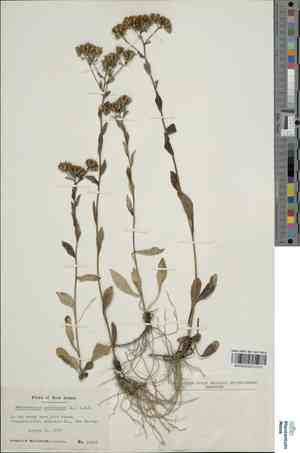
This enduring plant, characterized by its serrated leaves and star-shaped blossoms, flourishes with judicious trimming. The spring season is perfect for eliminating deceased matter to encourage new development. During summer, pruning fosters a denser form, with up to one-third of the plant being removed. In autumn, the removal of faded blooms extends the flowering period. Always employ sanitized, keen implements to lessen strain and the potential for illness. Trimming not only preserves its form but also boosts its vitality and the profusion of flowers in following periods.
Advantages of Trimming Toothed Whitetop Aster
Advantages of Trimming Toothed Whitetop Aster
Trimming toothed whitetop aster promotes more abundant flowering, stimulates vigorous development, and maintains a tidy plant shape. Regular pruning helps toothed whitetop aster focus energy on producing blooms while shaping the plant for visual appeal and managing its size.
Optimal Pruning Period for Toothed Whitetop Aster
Optimal Pruning Period for Toothed Whitetop Aster
Pruning toothed whitetop aster in late spring immediately after its flowering cycle allows for the removal of faded blooms, which encourages fresh growth and potential reblooming. Early summer pruning can assist in shaping the plant and controlling its dimensions, fostering healthier, more robust future development. Autumn is an ideal time to eliminate dead or diseased branches, preparing toothed whitetop aster for winter dormancy without risking new growth that could be harmed by cold weather.
Necessary Tools for Pruning Toothed Whitetop Aster
Bypass Pruners
These pruners create clean and accurate cuts, crucial for preserving the health of toothed whitetop aster. Bypass pruners are effective for severing stems up to half an inch thick, which is suitable for the stem diameter of toothed whitetop aster.
Pruning Shears
For more detailed or delicate tasks, such as deadheading or shaping toothed whitetop aster, pruning shears offer the required precision. Their smaller blades are perfect for reaching into dense foliage without harming nearby stems.
Gloves
Wearing gloves is recommended to safeguard hands from thorns or rough stems, especially when thinning or handling toothed whitetop aster.
Loppers
If toothed whitetop aster has grown unchecked and developed stems thicker than half an inch, loppers would be the appropriate tool due to their extended handles and increased leverage.
How to Prune Toothed Whitetop Aster
Sanitation
Before starting, clean and sterilize all pruning tools to prevent the spread of disease to toothed whitetop aster.
Diseased leaves
Identify and remove any diseased leaves from toothed whitetop aster by cutting them at the base of the leaf stem using sharp, sterilized scissors or pruners.
Withered leaves
Locate withered leaves on toothed whitetop aster, which are often older leaves, and snip them off where the leaf stem meets the branch or main stem to encourage healthy growth.
Withered flowers
After flower blossoms on toothed whitetop aster have faded and withered, deadhead the flowers by making a clean cut just above the first set of healthy leaves below the spent flower to encourage further blooming.
Cleanup
Gather and discard all pruned material from toothed whitetop aster to reduce the risk of disease and pest infestation, ensuring a tidy work area.
Common Pruning Errors with Toothed Whitetop Aster
Over-pruning
Cutting back toothed whitetop aster too severely can stress the plant and diminish its vitality. Even experienced gardeners must be careful not to remove more than a third of the plant at once.
Pruning at wrong angle
Incorrect angle cuts can harm toothed whitetop aster by allowing moisture to accumulate, potentially leading to disease. Cuts should be made at a 45-degree angle to facilitate water runoff.
Tearing stems
Using dull tools can result in tearing the stems of toothed whitetop aster instead of a clean cut, which can damage the plant and create entry points for pests and disease.
Not disinfecting tools
Failing to disinfect pruning tools between cuts and plants can spread disease to healthy parts of toothed whitetop aster or to other plants.
Neglecting deadheading
Failure to regularly deadhead, or remove spent flowers from toothed whitetop aster, can result in a missed opportunity to encourage further blooming.
Ignoring plant shape
Not considering the natural growth and shape of toothed whitetop aster during pruning can lead to an unnatural appearance and reduce the plant's overall health.
General Pruning Advice for Toothed Whitetop Aster
Use sharp tools
Employ sharp, clean shears or scissors to make precise cuts, which will help prevent damage and disease in toothed whitetop aster.
Clean cuts
Ensure that cuts on toothed whitetop aster are clean and just above leaf nodes or branching points to stimulate new growth in the desired direction.
Deadheading
Remove spent flowers from toothed whitetop aster to promote new blooms and prevent the plant from putting energy into seed production.
Thinning
Thin out crowded areas to improve air circulation around toothed whitetop aster, which can help prevent disease and encourage stronger growth.
Shape maintenance
Prune to maintain the natural form of toothed whitetop aster, enhancing both the aesthetic and health of the plant by allowing light to reach the inner foliage.
Tool sanitation
Sanitize tools before and after pruning toothed whitetop aster to prevent the spread of disease. Use a solution of bleach or alcohol to disinfect the tools.



