How to Prune Cast-iron plant?
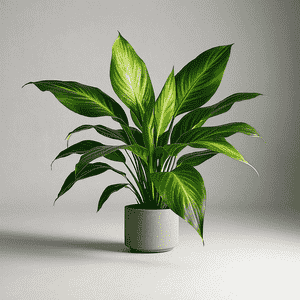
Recognized for its hardiness and ability to withstand low light, the cast-iron plant flourishes with little attention. Trim discolored or deceased leaves near the soil line to encourage robust development. From early spring through late autumn, strategically eliminate aged foliage to preserve its appearance and improve air movement. Trimming boosts vitality by channeling energy towards fresh shoots. Sanitized tools prevent illness, guaranteeing the cast-iron plant's strong showing as a beloved decorative specimen.
What Are the Benefits of Pruning Cast-iron Plant?
What Are the Benefits of Pruning Cast-iron Plant?
Trimming cast-iron plant promotes robust development and maintains its desired shape. It eliminates old or damaged leaves, allowing healthy foliage to flourish, thereby improving the plant's appearance and vitality.
What Is the Best Time for Pruning Cast-iron Plant?
What Is the Best Time for Pruning Cast-iron Plant?
Trimming cast-iron plant in early spring enables gardeners to remove any damaged or dead foliage accumulated over winter, making space for vigorous new growth. This timing aligns with the plant's dormant period, minimizing stress from cutting. Conversely, late fall pruning is suitable as the plant's active growth has slowed or ceased, ensuring pruning doesn't hinder its development. During these seasons, cast-iron plant faces a reduced risk of stress and disease, as cuts can heal quickly without frost threats or high energy demands of active growth.
What Tools Do I Need to Prune Cast-iron Plant?
Sterilized Hand Shears
Cast-iron plant features tough, leathery leaves that may require cutting through dense foliage. Hand shears, also known as pruning scissors, make precise cuts without harming the plant, and sterilization prevents disease transmission.
Long-Handled Pruners
For plants or areas that are difficult to reach, long-handled pruners offer the necessary extended reach for cast-iron plant without straining the gardener, ensuring a clean cut.
Sharpening Tool
Keeping the blades used for trimming cast-iron plant sharp is crucial for making clean, effective cuts that encourage healthy regrowth and lessen plant stress.
Gloves
When trimming cast-iron plant, gloves protect hands from potential skin irritants on the plant or from sharp edges of cutting implements.
How to Prune Cast-iron Plant
Step1: Pre-pruning Plant Health Check
Ensure cast-iron plant is adequately watered and not under duress before trimming. This boosts its chances of recovery post-pruning.
Step2: Pruning Tool Sterilization
Sanitize your pruning shears with rubbing alcohol or a bleach solution to prevent the spread of pathogens.
Step3: Inspect Plant for Yellow Leaves
Begin by examining cast-iron plant for yellow leaves, which are a natural part of aging or can signal overwatering, underwatering, or insufficient light.
Step4: Pruning Yellow Leaves at Base
To remove yellow leaves, trace the leaf stem to the base of cast-iron plant. Make a clean cut where the yellow leaf stem meets the soil to remove the entire leaf. Avoid tearing the leaves.
Step5: Identifying Withered Branches
Examine cast-iron plant for withered branchesâthese could be dried out stems or stalks. Using a similar method, trace the stem down to the soil.
Step6: Cutting Withered Branches at Soil Line
Cut the withered branches at their base where they emerge from the soil. Snip the stems as close to the soil line as possible without harming any other healthy parts.
Step7: Disposal of Pruned Plant Material
After removal, properly dispose of the yellow leaves and withered branches to prevent the spread of potential pests or diseases to cast-iron plant or other plants.
Step8: Post-Pruning Tool Sanitation
After trimming, clean and sanitize the tools again to maintain cleanliness.
Step9: Avoiding Over-Pruning
Observe cast-iron plant for a few weeks to ensure it recovers well and shows signs of new growth. If the plant continues to produce yellow leaves, re-evaluate care conditions.
Post-Pruning Care for Cast-iron Plant
Post-Pruning Care for Cast-iron Plant
Immediately after trimming cast-iron plant, clean cuts should be allowed to heal naturally without applying wound sealant. Position cast-iron plant in a spot with filtered light, avoiding direct sunlight which might stress the pruned areas. Maintain stable indoor temperatures (around 60-75°F) and high humidity. Water cast-iron plant when the topsoil feels dry to prevent overwatering, and postpone fertilization for a month to avoid burning delicate new growth. Monitor the plant for wilting or yellowing leaves, which can indicate stress or infection. If such symptoms appear, assess and correct environmental factors and consult a plant specialist for potential treatments.
Common Pruning Mistakes with Cast-iron Plant
Excessive Foliage Removal Stress
Over-trimming is a frequent error, where too much foliage is removed at once, potentially stressing cast-iron plant.
Using Dull or Dirty Pruning Tools
Using dull or unclean cutting tools may harm the leaves and stems of cast-iron plant and introduce disease.
Indiscriminate Healthy Foliage Pruning
Trimming healthy foliage without discrimination instead of focusing on damaged, dead, or diseased leaves can limit the plant's vitality.
Leaving Debris Promotes Pests and Disease
Failing to remove debris after trimming can encourage pests and fungal diseases to affect cast-iron plant.
Improper Leaf Cutting Technique
Cutting the leaves into arbitrary shapes or too close to the base can hinder cast-iron plant from recovering properly and maintaining its aesthetic.
Common Pruning Tips for Cast-iron Plant
Use Sharp, Sterile Pruning Tools
Always use sharp and sterile pruning shears or scissors to ensure clean cuts and reduce the risk of infection to cast-iron plant.
Prune Damaged Leaves at Base
Focus on removing only the leaves that are yellowing, brown, or damaged, and make the cut at the base of the leaf to discourage any possible diseases.
Light Thinning Improves Air Circulation
Thin out crowded areas gently to improve air circulation, which can help prevent disease and pest infestations in cast-iron plant.
Dispose of Pruning Debris
After trimming, dispose of or compost the removed debris to maintain a clean environment around cast-iron plant and discourage pests.
Remove Whole Leaf When Partially Damaged
If a leaf on cast-iron plant is partially damaged, it's better to remove the entire leaf rather than just the damaged part, as this can lead to healthier growth patterns.
Regular Inspection for Early Issue Detection
Maintain a consistent inspection schedule to address any issues early on, which will minimize the need for extensive trimming for cast-iron plant.



