How to Prune Jackfruit?
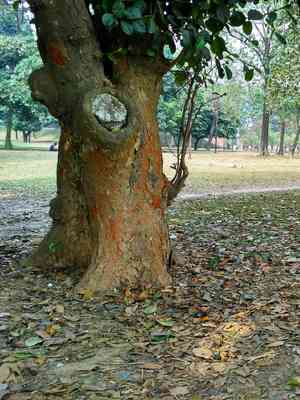
Artocarpus heterophyllus, recognized for its substantial fruit and persistent greenery, flourishes with little upkeep. Essential trimming methods concentrate on excising lifeless or ailing wood, reducing dense branches, and sculpting for form and yield. The most effective pruning occurs from the beginning to the end of spring, coinciding with the plant's developmental phase. Pruning enhances air movement and light access, crucial for fruit maturation and the tree's well-being. Caution is advised to prevent excessive removal, safeguarding the intricate equilibrium vital for this species' robustness.
What Are the Benefits of Pruning Jackfruit?
What Are the Benefits of Pruning Jackfruit?
Trimming jackfruit promotes greater fruit yield, stimulates robust development, and helps maintain a manageable form, ensuring the tree's healthy progression and abundance.
What Is the Best Time for Pruning Jackfruit?
What Is the Best Time for Pruning Jackfruit?
This timeframe is considered ideal as it occurs after the final frost, when the plant is entering a growth phase, which can aid in recovery and vigorous development. Pruning in spring allows jackfruit to recuperate and channel its energy into developing strong, new growth before the demands of fruiting. It also minimizes the risk of disease transmission, as many pathogens are less active during this period. Pruning prior to heavy rainfall is advantageous to prevent fungal infections in open wounds. Furthermore, removing dead or overlapping branches before the plant's active growth period ensures improved light penetration and air circulation, which is vital for the health of jackfruit and the production of high-quality fruits.
What Tools Do I Need to Prune Jackfruit?
Hand Pruners
Perfect for cutting thinner branches and twigs less than half an inch thick on jackfruit. This allows for precise cuts with minimal effort.
Lopping Shears
Suitable for severing thicker branches, typically up to 1.5 inches in diameter. They feature long handles that provide leverage, making pruning less strenuous.
Pruning Saw
For branches exceeding 1.5 inches in thickness on jackfruit, a pruning saw is appropriate, as it can manage large limbs easily and prevent unnecessary harm to the plant.
Pole Pruner
Best for reaching elevated branches without needing a ladder, ensuring safety while trimming jackfruit.
Hedge Shears
These are generally not required for jackfruit, but can be utilized for shaping the outer foliage if necessary.
Secateurs
Another name for hand pruners, secateurs are crucial for detailed work and can be used for snipping smaller branches and suckers on jackfruit.
Personal Protective Equipment (PPE)
Safety glasses and gloves offer protection against flying debris and potential allergens during jackfruit pruning. This is essential for the gardener's safety.
How to Prune Jackfruit
Step1: Inspect Plant for Damage
Examine jackfruit for any indications of damage or illness. Look for branches that are broken, exhibiting dieback, or showing any discoloration, injuries, or signs of pests and diseases.
Step2: Sterilize Pruning Tools
Sanitize your pruning tools with an alcohol solution or bleach to prevent the spread of diseases. This is crucial before making any cuts on jackfruit.
Step3: Remove Damaged Branches
Identify and eliminate any compromised branches. Make cuts at a 45-degree angle approximately 1/4 inch above a healthy bud or node, ensuring the bud or node faces away from the center of jackfruit.
Step4: Excise Diseased Areas
Locate and remove diseased sections of jackfruit, cutting well into healthy tissue to ensure all traces of the disease are completely eradicated. Dispose of diseased material properly to prevent re-infection.
Step5: Identify Non-Productive Branches
Observe jackfruit for branches that are not bearing fruit, especially those that do not produce fruit or have not shown vigorous growth. These may be older branches that have fruited for several seasons.
Step6: Prune for Airflow and Light
Trim non-productive branches on jackfruit, which will also help to enhance air circulation and light penetration. Make the cuts at the point of origin or to an outward-facing lateral branch.
Step7: Thin Dense Canopy
Reduce the density of jackfruit's canopy to improve light penetration and air flow. Remove some of the smaller branches on the inside of the canopy that are crossing or growing inward.
Step8: Shape Plant Naturally
Form jackfruit by selectively trimming to maintain its inherent shape, cutting back any branches that extend beyond the desired form or are significantly longer than others.
Step9: Apply Wound Dressing if Needed
Apply a wound sealant or pruning paint to large cuts on jackfruit to shield the open wounds from pests and disease organisms if such practice is advised in your region.
Step10: Cleanup Pruned Debris
Clear away all trimmed material from around jackfruit to deter pests and diseases from multiplying on the fallen debris.
Step11: Monitor Post-Pruning Health
Observe jackfruit after pruning for signs of stress or disease, and ensure it receives adequate water and nutrients to support new growth and recovery.
Step12: Prune in Correct Season
Prune jackfruit during the appropriate season, which is late winter or early spring for jackfruit, to ensure the least amount of stress and optimal healing conditions.
Post-Pruning Care for Jackfruit
Post-Pruning Care for Jackfruit
Following jackfruit pruning, immediately attend to cut areas to prevent infection or stress. Maintain a warm, humid environment with indirect light to encourage healing. Regularly adjust water intake based on soil moisture, avoiding waterlogging. Apply a balanced fertilizer to replenish nutrients and support new growth. Monitor jackfruit for wilting, discoloration, or pests, indicating stress or disease. If symptoms appear, modify care and seek expert advice for treatment.
Common Pruning Mistakes with Jackfruit
Avoid Over-pruning to Prevent Stunted Growth
Excessive pruning, which can lead to inhibited growth or a decrease in fruit production. Inexperienced gardeners sometimes remove too much foliage, believing it will stimulate new growth, but with jackfruit, moderation is key.
Use Sharp, Sterile Tools for Clean Pruning Cuts
Employing dull or unsanitized pruning tools, resulting in jagged cuts and an elevated risk of disease. It is essential for both novice and seasoned gardeners to use sharp, sterile pruning equipment.
Vary Branch Lengths for Natural Shape and Air Circulation
Trimming all branches to the same length, which can lead to an unnatural appearance and poor air circulation within the canopy. It is important to prune jackfruit branches at varying lengths to maintain a more natural shape and promote better health.
Remove Dead or Diseased Branches to Prevent Disease Spread
Ignoring dead or diseased branches during pruning, which can lead to the proliferation of pests or diseases throughout the plant. Gardeners should always prioritize the removal of these branches to maintain the overall health of jackfruit.
Understand Branch Structure to Protect Plant Shape
Failing to consider the branch structure when making cuts. Pruning without comprehending how jackfruit branches grow can result in damage to the plant's natural shape and fruiting potential.
Common Pruning Tips for Jackfruit
Make Clean, Angular Cuts Above Nodes for Healthy Growth
When trimming jackfruit, make clean, angled cuts just above the leaf nodes or lateral branches. This encourages healing and new growth in the desired direction.
Thin Canopy Interior for Better Air Flow and Disease Prevention
To promote air circulation and sunlight penetration, thin out the inner part of the canopy. This helps reduce the likelihood of fungal diseases which jackfruit can be susceptible to in humid climates.
Prune Crossing or Inward-Growing Branches for Better Structure
Focus on removing any branches that are intersecting, rubbing against each other, or growing inward toward the tree's center. This selective thinning improves the structural integrity of jackfruit.
Prune Branch Tips for Increased Flowering and Fruiting
Encourage productive fruiting by trimming the tips of branches that have experienced a growth spurt. This can redirect the jackfruit's energy into flower and fruit development rather than vegetative growth.
Start by Removing Dead, Diseased, Damaged Branches
Always begin with the three Ds – dead, diseased, and damaged branches. These should be the first to go during a pruning session to maintain the health of jackfruit.



