How to Prune Redstem wormwood?
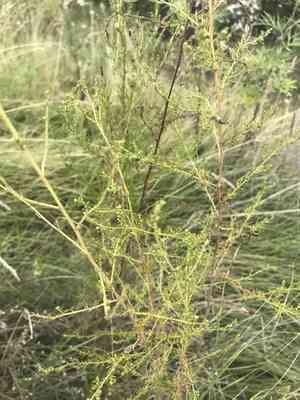
This enduring herbaceous plant is celebrated for its vivid crimson stalks and therapeutic attributes. The most effective time for trimming redstem wormwood is in the spring or early summer, which fosters denser development and eliminates aged or lifeless stems. Reducing its stature by as much as one-third boosts the plant's robustness and preserves its form. Thoughtful removal of faded blossoms may also stimulate a subsequent flowering period. Pruning is crucial for preventing excessive growth and controlling natural dissemination, thereby safeguarding the plant's well-being and the garden's visual appeal.
What Are the Benefits of Pruning Redstem Wormwood?
What Are the Benefits of Pruning Redstem Wormwood?
Trimming redstem wormwood encourages robust development by eliminating old or dense stems, improving air movement and light exposure. It helps maintain the desired form and dimensions, crucial for decorative cultivation or controlled settings.
What Is the Best Time for Pruning Redstem Wormwood?
What Is the Best Time for Pruning Redstem Wormwood?
Trimming or cutting back redstem wormwood during Spring and Early Summer aligns with its active growth phase, promoting healthier and more controlled development. Pruning in Spring, prior to new growth, removes any dead or damaged stems from winter, aiding in disease prevention and encouraging vigorous growth. Early Summer pruning is ideal for shaping redstem wormwood, as the initial spring growth has matured and the plant responds well to trimming, fostering bushier growth and preventing legginess. These seasons ensure redstem wormwood avoids undue stress, which could result from pruning during flowering or extreme weather. Additionally, avoiding pruning in late summer or fall protects redstem wormwood from harm as it prepares for dormancy, ensuring its hardiness through winter.
What Tools Do I Need to Prune Redstem Wormwood?
Hand Pruners
These are vital for making clean cuts on redstem wormwood's thinner stems and branches. It's important to select a pair that is sharp, comfortable to hold, and capable of cutting stems up to 1/2 inch in diameter. Hand pruners allow for precise control, which is necessary to shape the plant and remove unwanted growth without causing damage.
Pruning Shears
Pruning shears, also known as secateurs, are perfect for snipping softer stems and minor branches of redstem wormwood. Bypass pruners, a type of pruning shear with two curved blades that pass by each other like scissors, are particularly recommended for healthy cuts that promote quick healing.
Gloves
Wearing gloves is essential since redstem wormwood might have rough or sharp edges that could cause scratches. Gloves also provide a better grip on the tools and protect the hands during the pruning process.
Garden Scissors
Garden scissors can be used for delicate trimming and shaping of redstem wormwood, especially when you're dealing with thin twigs or shaping the foliage. The precision offered by garden scissors is beneficial for maintaining the aesthetic appeal of the plant.
How to Prune Redstem Wormwood
Identify diseased parts
Examine redstem wormwood thoroughly, looking for any signs of illness such as discolored, spotted, or malformed leaves and stems. Pinpoint the specific diseased sections that require pruning.
Sanitization
Sterilize your pruning tools before starting to prevent the spread of disease. Use a solution of bleach or rubbing alcohol to disinfect shears, and ensure the tools are sharp to make clean cuts.
Pruning diseased leaves
Carefully remove diseased leaves from redstem wormwood by cutting them at the base of the leaf stalk where it connects to the main stem. Make sure to avoid damaging healthy parts of the plant.
Pruning withered leaves
Trim any withered leaves to encourage new growth. Cut these leaves back to the nearest healthy set of leaves or back to the main stem, depending on the severity of the wilting.
Pruning diseased stems
Prune diseased stems of redstem wormwood by cutting them back to healthy tissue, ensuring that you remove the entire affected portion. Make the cut at a 45-degree angle to promote healing and water runoff.
Common Pruning Mistakes with Redstem Wormwood
Excessive Pruning
Removing too much foliage from redstem wormwood can cause undue stress to the plant, potentially hindering growth and reducing its hardiness against pests and diseases.
Improper Cutting Technique
Cutting too close or too far from the node can damage redstem wormwood or lead to ineffective pruning that doesn't encourage proper growth patterns.
Disregarding Natural Shape
Attempting to overly shape or trim redstem wormwood against its natural growth habit can result in a less healthy and aesthetically pleasing plant.
Using Dull Tools
Using unsharpened tools can bruise or tear redstem wormwood's stems, making it more susceptible to infections and diseases.
Ignoring Hygiene
Not sanitizing pruning tools before use can introduce pathogens to redstem wormwood, leading to disease outbreaks.
Pruning Healthy Growth
Indiscriminately removing healthy stems and foliage can weaken redstem wormwood and reduce its vigor.
Neglecting to Thin
Failing to thin out crowded stems can limit air circulation and light penetration in redstem wormwood, encouraging disease and poor growth.
Common Pruning Tips for Redstem Wormwood
Selective Pruning
Carefully select which stems to prune by focusing on removing only dead, damaged, or diseased growth to maintain the health and aesthetic of redstem wormwood.
Clean Cuts
Make clean, angled cuts at a node or just above a leaf bud to promote faster healing and better growth direction in redstem wormwood.
Moderation
Prune redstem wormwood moderately to avoid over-pruning. A good rule is never to remove more than one-third of the plant at a time.
Prune to Enhance Shape
Trim redstem wormwood in conformity with its natural form to bolster its intrinsic structural beauty and ensure healthy, balanced growth.
Sharp Tools
Always use clean, sharp tools for pruning redstem wormwood to make precise cuts and minimize plant stress and disease risk.
Sterilization
Sterilize pruning equipment before and after working on redstem wormwood to prevent the transfer of diseases from contaminated tools.
Promote Air Circulation
Thin out redstem wormwood to enhance airflow and light availability within the plant's structure, reducing the potential for fungal diseases and encouraging robust growth.



