How to Prune Boreal sagewort?
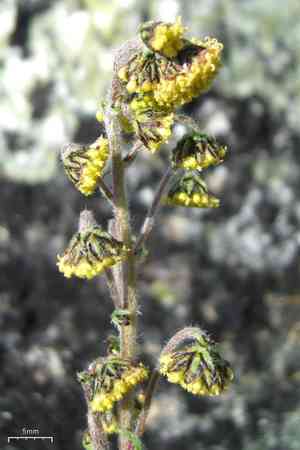
With its thick leaves, boreal sagewort flourishes in colder environments. Trim boreal sagewort in the early spring to encourage robust development and preserve its form, or in the summer to eliminate faded flowers and manage its expansion. This schedule corresponds with the plant's growth phase after dormancy. Consistent trimming not only improves air circulation and light exposure, but also prevents excessive growth, ensuring boreal sagewort remains lively and controllable. Employ sharp, sanitized cutting tools for efficient pruning.
Advantages of Trimming Boreal Sagewort
Advantages of Trimming Boreal Sagewort
Trimming boreal sagewort promotes robust development and maintains its attractive shape. Regular cutting helps redirect energy to healthier sections, fostering strength and preventing excessive growth that could diminish its visual appeal.
Optimal Time for Trimming Boreal Sagewort
Optimal Time for Trimming Boreal Sagewort
Trimming boreal sagewort during Spring and Summer is ideal for several reasons. First, early spring pruning, before new growth emerges, aids in removing any dead or damaged stems from winter, thereby preventing disease and encouraging more vigorous, healthier growth. Spring pruning also allows the gardener to shape the plant early in its growth cycle, which promotes a more controlled and desirable form as the growing season progresses. Summer pruning, following the initial burst of spring growth, can be beneficial for upkeep. It assists in thinning out dense growth, which enhances air circulation and lowers the risk of fungal diseases. Additionally, summer pruning can help divert energy from excessive vegetative growth towards the development of stronger, more resilient plant structures.
Necessary Tools for Trimming Boreal Sagewort
Hand Pruners
Perfect for making precise cuts on boreal sagewort's smaller, delicate stems, ensuring minimal harm to the plant.
Pruning Shears
Best for cutting back larger stems or branches of boreal sagewort, providing a clean and healthy cut to encourage better growth.
Gardening Gloves
Crucial for safeguarding the gardener's hands from the aromatic oils of boreal sagewort, which may cause irritation to some skin types.
How to Trim Boreal Sagewort
Identify
Locate diseased and withered leaves, as well as any affected stems on boreal sagewort. Carefully inspect each branch for signs of discoloration, wilting, and other indicators of health issues.
Sanitize
Before beginning the trimming process, disinfect the pruning tools. This prevents the spread of disease between different parts of boreal sagewort or to other nearby plants. Use a bleach or alcohol solution to thoroughly wipe down the blades.
Prune leaves
Remove all diseased and withered leaves from boreal sagewort. Use sharp scissors or pruning shears, making cuts at the base of each undesirable leaf where it connects to the stem. Ensure not to harm healthy parts while removing the affected leaves.
Prune stems
Eliminate diseased stems by making a clean cut with sterilized pruning shears. Cut back each affected stem to its base or to a healthy section, ensuring no stubs are left as these can become entry points for pathogens.
Dispose
Properly discard all removed diseased and withered leaves and stems. Do not compost them as they may contain pathogens that can survive and infect the compost. Instead, seal them in a plastic bag and dispose of them with household waste.
Common Trimming Errors with Boreal Sagewort
Over-trimming
A frequent error is removing too much foliage from boreal sagewort, which can significantly weaken the plant. Boreal sagewort only requires moderate trimming to remove old or damaged stems and to promote healthy growth.
Inaccurate cuts
Making cuts too far from the node or cutting into healthy tissue can impede boreal sagewort's ability to heal. This might expose the plant to various pathogens and environmental stressors.
Neglecting plant health
Trimming without evaluating the overall health and vigor of boreal sagewort can lead to poor growth or further decline. It's important to assess the plant's vitality before deciding how much and where to trim.
General Trimming Advice for Boreal Sagewort
Selective trimming
Focus on removing only the old, diseased, or damaged stems of boreal sagewort. This helps improve air circulation and light penetration, fostering a healthier plant.
Sharp tools
Utilize sharp, clean pruning tools to make precise cuts. Clean cuts heal faster and reduce the risk of disease. This practice is essential for maintaining the plant's health and appearance.
Post-trimming care
After trimming boreal sagewort, ensure the plant receives adequate water and potentially a light feed with a balanced fertilizer to support recovery and new growth. This step is crucial for encouraging vigorous and healthy plants.



