How to Prune Marguerite daisy?
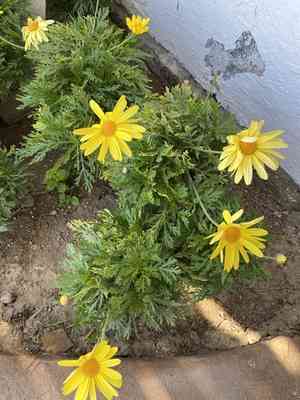
This enduring woody plant, recognized for its dense form and aster-like blossoms, thrives with consistent trimming to preserve its structure and stimulate flower production. For marguerite daisy, deadhead faded blooms frequently to encourage uninterrupted flowering. Execute more significant trimming in late winter or early spring to eliminate lifeless or frail stalks and sculpt the plant. Although marguerite daisy endures pruning effectively throughout the entire season, the most favorable period is when it is not actively flowering, to lessen strain and enhance development.
Advantages of Trimming Marguerite Daisy
Advantages of Trimming Marguerite Daisy
Trimming marguerite daisy promotes abundant flowering, encourages vigorous development, and maintains an attractive form, leading to a lush, compact appearance.
Optimal Period for Trimming Marguerite Daisy
Optimal Period for Trimming Marguerite Daisy
Trimming in spring allows marguerite daisy to direct its energy towards new growth and blooms, as the plant emerges from its winter dormancy. Summer pruning can stimulate additional flowering and help preserve the plant's shape. Both periods align with marguerite daisy's active growth cycle, ensuring rapid wound healing and sustained plant vitality.
Essential Tools for Trimming Marguerite Daisy
Hand Pruners
Perfect for cutting stems up to 3/4 inch thick, hand pruners offer precision and control when shaping marguerite daisy or removing dead or damaged foliage.
Gardening Shears
Ideal for trimming and shaping the softer, finer foliage of marguerite daisy. Enables quick, clean cuts that foster healthy regrowth.
Pruning Saw
For mature plants with thicker, woodier stems, a pruning saw can manage branches over 3/4 inch thick without harming the plant.
Long-Handled Loppers
To access dense growth or tackle tougher stems requiring more leverage, long-handled loppers are useful for cutting without straining the gardener.
Gardening Gloves
Shield hands from thorns and sap, ensuring safe and comfortable trimming of marguerite daisy.
Garden Waste Bags
Simplify post-pruning cleanup by providing a receptacle for immediate disposal of cuttings.
How to Trim Marguerite Daisy
Step1: Tool Preparation
Gather the appropriate trimming tools for marguerite daisy, such as sharp bypass pruners or gardening shears, and sanitize them before use to prevent disease spread.
Step2: Dead Flower Identification
Identify spent flowers on marguerite daisy to encourage continuous blooming. Dead flowers are recognizable by their faded color and wilted petals.
Step3: Deadhead Snipping
Trim the spent flowers by snipping them off just above the first set of healthy leaves below the faded bloom. Ensure clean cuts to prevent damage to marguerite daisy.
Step4: Damaged Stem Removal
Inspect marguerite daisy for any damaged stems, which may appear broken, discolored, or diseased. Removing these will help prevent infection and promote healthy growth.
Step5: Healthy Tissue Pruning
Cut the damaged stems back to the point of healthy tissue, ensuring that you make your cut just above a leaf node or lateral branch to encourage new growth for marguerite daisy.
Step6: Old Wood Detection
Examine marguerite daisy for old wood, typically characterized by a lack of leaves or flowers, a harder texture, and a darker color compared to new growth.
Step7: Central Airflow Improvement
Trim the old wood by cutting it back to the base or to the point of newer growth. Aim to open up the center of marguerite daisy for better airflow and light penetration, which is beneficial for plant vigor.
Step8: Desired Shape Trimming
Shape marguerite daisy by selectively trimming branches to maintain the desired form. Always cut back to a leaf node, keeping in mind the natural shape of marguerite daisy. Be careful not to over-trim, as this can stress the plant.
Step9: Pruning Debris Cleanup
After trimming, clear away all cuttings from around marguerite daisy to reduce the risk of pests and diseases.
Step10: Post-Pruning Watering
Water marguerite daisy thoroughly after trimming to help the plant recover and settle any disturbed soil around the base.
Step11: Post-Pruning Monitoring
Monitor marguerite daisy after trimming for any signs of stress or disease and for new growth, which indicates successful pruning.
Aftercare for Marguerite Daisy Post-Trimming
Aftercare for Marguerite Daisy Post-Trimming
Immediately after trimming marguerite daisy, ensure it is placed in a location receiving ample but not scorching sunlight, with moderate humidity and temperatures between 60-75°F. Apply a balanced liquid fertilizer to aid recovery, reducing application if signs of stress appear. Monitor marguerite daisy for wilted leaves, discoloration, or pests, which may indicate stress or infection. In such cases, adjust care variables and consider applying organic fungicides or pesticides. Regular observation will facilitate timely interventions for marguerite daisy's healthy regrowth.
Common Trimming Errors with Marguerite Daisy
Excessive Trimming Promotes Woody Growth
Over-trimming, which can stress marguerite daisy and encourage excessive woody growth rather than promoting a flush of fresh blooms and foliage.
Incorrect Cutting on Old Wood
Cutting into old wood that may not regenerate well, leading to bare spots and a lack of new shoots.
Trimming with Unsterilized Tools
Trimming without sterilizing tools, which can introduce diseases to marguerite daisy and affect its health.
Neglecting to Deadhead Spent Blooms
Ignoring deadheading, which can result in marguerite daisy expending energy on seed production instead of new blossoms.
Failure to Shape Plant During Trimming
Not shaping marguerite daisy during trimming, which can result in an unbalanced or leggy plant.
Damaging Plants with Jagged Cuts
Tearing or making jagged cuts, which can harm marguerite daisy's stems and create openings for pests and disease.
General Trimming Advice for Marguerite Daisy
Use Sharp, Clean Shears for Quick Healing
Use sharp, clean trimming shears to make clean cuts on marguerite daisy, which will heal more quickly and reduce the risk of disease.
Trim for Shape and Remove Unhealthy Stems
Trim marguerite daisy to maintain its desired shape and size, focusing on removing dead or unhealthy stems first.
Thin Dense Areas to Improve Air Circulation
Perform selective thinning of dense areas to improve air circulation within marguerite daisy, which helps prevent fungal diseases.
Pinch Back Tips for Bushier Growth
Encourage branching by pinching back the tips of marguerite daisy, which results in a bushier plant with more flowers.
Regular Deadheading for Continuous Blooms
Keep deadheading spent blossoms regularly to promote continuous blooming throughout the growing season.
Trim One-Third for Size Without Hitting Bare Wood
Cut back marguerite daisy by about one-third when trimming for size management, ensuring not to cut back to bare wood without leaves.



