How to Prune Silverweed cinquefoil?
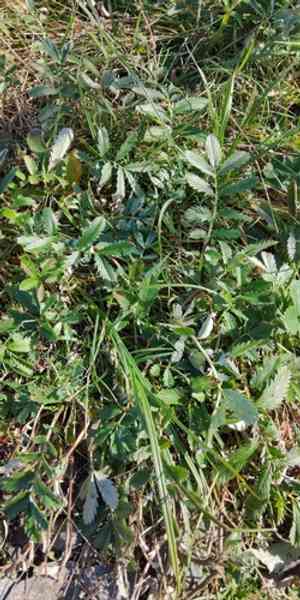
Distinguished by its trailing nature and silvery, feather-like leaves, silverweed cinquefoil flourishes optimally with limited trimming. Perform light pruning following its bloom period, mainly in late spring or summer, to foster robust development and preserve its form. Undertaking this during these periods aids in preventing excessive density and improves air movement, which is vital for warding off fungal infections. Consistent elimination of impaired or aged foliage additionally boosts its aesthetic value and general health. This targeted method guarantees energetic growth and a lively ground cover.
What Are the Benefits of Pruning Silverweed Cinquefoil?
What Are the Benefits of Pruning Silverweed Cinquefoil?
Trimming silverweed cinquefoil encourages robust development and helps maintain a compact form, crucial in gardens with limited space. Regular trimming also prevents excessive growth that can lead to poor air circulation and increased disease susceptibility.
What Is the Best Time for Pruning Silverweed Cinquefoil?
What Is the Best Time for Pruning Silverweed Cinquefoil?
Pruning silverweed cinquefoil in Spring and Summer aligns with its active growth phase, promoting healthier development and denser foliage. Spring pruning revitalizes silverweed cinquefoil after winter dormancy, encouraging vigorous new growth that supports its flowering and vegetative processes. Summer pruning, particularly just after the flowering phase, helps maintain the plant's shape, manage its size, and remove any damaged or diseased foliage, which is beneficial for the plant's overall health and aesthetic appeal.
What Tools Do I Need to Prune Silverweed Cinquefoil?
Hand Pruners
Perfect for cutting back overgrown stems and old foliage of silverweed cinquefoil. Since silverweed cinquefoil has a relatively delicate structure, using hand pruners allows for precise cuts without damaging the plant.
Garden Shears
Useful for shaping and thinning the foliage of silverweed cinquefoil, especially when dealing with larger patches. Garden shears will enable efficient trimming of the plant's expansive growth.
Pruning Saw
Necessary for removing any older, thicker roots or rhizomes that silverweed cinquefoil may develop, particularly if it is growing invasively. A pruning saw provides the necessary force and precision for such tough cuts.
How to Prune Silverweed Cinquefoil
Identify
Locate the diseased or withered leaves and stems on silverweed cinquefoil. Carefully examine the foliage and stems for any signs of browning, spots, or decay to ensure you are removing only the affected parts.
Sanitize
Disinfect your pruning tools. Before starting the pruning process, clean and sanitize your pruning shears or scissors to prevent the spread of disease.
Prune leaves
Trim the identified diseased and withered leaves. Use the sanitized pruning tools to carefully cut off the damaged leaves at their base, close to the stem. Make a clean cut to promote faster healing.
Prune stems
Trim the diseased stems on silverweed cinquefoil. If the stem shows extensive signs of damage or disease, prune it back to healthy tissue. Make sure the cuts are made on an angle to facilitate water runoff and avoid water accumulation that could lead to more disease.
Cleanup
Properly dispose of the pruned material. Collect all removed leaves and stems and dispose of them away from your garden to prevent the spread of any disease. Clean your tools once more after finishing.
Common Pruning Mistakes with Silverweed Cinquefoil
Over-pruning
Removing too much foliage from silverweed cinquefoil can significantly weaken the plant. Silverweed cinquefoil benefits from a lighter touch, focusing on removing only unhealthy or overgrown parts.
Improper cutting technique
Using dull or unclean cutting tools can damage the delicate stems of silverweed cinquefoil, leading to bruising or disease. It's crucial to use sharp, clean pruning shears for clean cuts.
Pruning healthy growth
A common error is removing too much healthy growth in an attempt to shape or reduce the size of silverweed cinquefoil. This can limit its ability to photosynthesize efficiently and stress the plant.
Common Pruning Tips for Silverweed Cinquefoil
Selective pruning
Focus on removing only the dead or damaged growth to maintain plant health and aesthetics. Prune close to the base of the problematic stem, ensuring not to cut into healthy tissue.
Encourage airflow
Thin out dense areas of silverweed cinquefoil to improve air circulation. This helps prevent fungal diseases, which can thrive in moist, stagnant conditions.
Maintain tool hygiene
Always use sterilized pruning tools to prevent the spread of disease. Clean your tools before and after each use with a solution of bleach or alcohol.



