How to Prune Pacific manzanita?
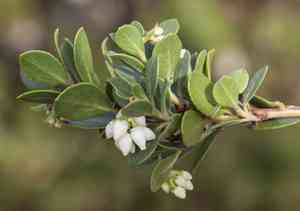
Arctostaphylos densiflora exhibits thick leaves and a compact structure. Perform trimming in early spring to stimulate robust development and contour. Eliminate deceased or compromised branches, reduce crowded sections, and sculpt for the preferred shape. Refrain from extensive pruning to avert strain. Trimming improves air movement, light access, and general plant vitality. Employ sanitized, sharp implements to lessen the chance of illness.
What Are the Benefits of Pruning Pacific Manzanita?
What Are the Benefits of Pruning Pacific Manzanita?
Pacific manzanita responds to trimming by growing vigorously and maintaining its form. Pruning encourages robust development, enhances blooms, manages size, improves aesthetics, and deters pests and illnesses. This fosters a strong and visually appealing plant.
What Is the Best Time for Pruning Pacific Manzanita?
What Is the Best Time for Pruning Pacific Manzanita?
Trimming pacific manzanita in early spring is advantageous as it aligns with the plant's growth cycle, which commences as temperatures rise. This timing allows any cuts made during pruning to heal rapidly as the plant enters its active growth phase. Furthermore, pruning before the blooming period ensures the plant's energy is directed towards new growth rather than sustaining older, potentially less healthy branches. This period also minimizes the risk of disease and pest infestation that can occur if pruning is performed during more active growing seasons or when the plant is dormant.
What Tools Do I Need to Prune Pacific Manzanita?
Bypass Pruners
Bypass pruners are perfect for making precise cuts on live stems and branches up to 3/4 inch in diameter, typical of pacific manzanita's growth habit. They help prevent crushing plant tissue, promoting healthy regrowth.
Loppers
Loppers are suitable for larger branches (up to 1.5 inches in diameter) on pacific manzanita. They provide the necessary leverage for clean cuts with minimal effort.
Pruning Saw
A pruning saw is essential for cutting through thicker branches that exceed lopper capacity. It's especially useful if any old or diseased wood needs removal from pacific manzanita.
Anvil Pruners
Anvil pruners are effective for dead or dry wood. Their cutting mechanism crushes rather than slices, making them ideal for removing any deceased parts of pacific manzanita.
Long-Reach Pruners
Long-reach pruners enable trimming higher branches without needing a ladder. This is beneficial for maintaining the shape and size of pacific manzanita as it grows taller.
How to Prune Pacific Manzanita
Identify
Examine pacific manzanita to pinpoint diseased leaves, withered foliage, dead branches, and affected branches requiring pruning. Ensure clear distinction between unhealthy and healthy growth.
ToolPreparation
Select clean, sharp pruning implements such as hand pruners or loppers. Sanitize tools with alcohol or a bleach solution to prevent disease transmission.
RemoveDiseasedLeaves
Cut off diseased leaves by making precise, clean cuts at the base where the leaf stem connects to the main stem, ensuring removal of all visibly affected areas.
RemoveWitheredLeaves
Trim withered leaves similarly by cutting close to the base, taking care not to harm surrounding healthy foliage.
RemoveDeadBranches
Cut dead or diseased branches back to healthy wood, approximately 6 inches below the dead section. Make angled cuts to allow moisture runoff, reducing the risk of further disease.
Dispose
Carefully discard all diseased and dead plant material in a sealed bag. Do not compost to avoid spreading any potential pathogens.
Common Pruning Mistakes with Pacific Manzanita
Over-pruning
Removing too much of the plant at once can stress it and hinder its growth, leading to poor flowering and increased susceptibility to diseases.
Improper technique
Using dull or dirty pruning tools can cause jagged cuts and introduce pathogens. It's crucial to use sharp, clean tools for precise cuts.
Inappropriate pruning of new growth
Cutting back too aggressively on new growth can stunt the plant's development and result in fewer blooms.
Neglecting to prune dead or diseased wood
Failing to remove dead or diseased branches can lead to further spread of disease and pest infestation.
Common Pruning Tips for Pacific Manzanita
Use the right tools
Invest in a pair of sharp, high-quality pruners. Clean your tools before and after use to prevent the spread of disease.
Make clean, angled cuts
This ensures water runs off the cut, reducing the risk of rot. Aim to cut just above a bud or branch junction.
Remove dead and diseased wood first
Start by eliminating any dead, damaged, or diseased branches to improve overall plant health.
Avoid heavy pruning
Limit pruning to no more than one-third of the plant's total mass at a time. This helps the plant recover faster and maintain its natural shape.
Encourage airflow and light penetration
When thinning, focus on removing branches that crowd the center of pacific manzanita or cross over each other. This promotes good airflow and reduces the chances of fungal infections.



