How to Prune Soursop?
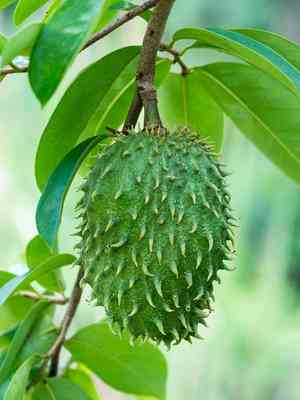
Soursop, a tropical fruit-producing plant recognized for its thorny green fruit and therapeutic attributes, necessitates meticulous trimming. Effective pruning entails reducing dense branches to enhance light exposure and airflow. Eliminate any deceased or ailing branches to preserve the plant's well-being. The most suitable period for pruning is during spring, to ready the soursop for its active growth phase. Trimming soursop stimulates fruit yield and refines the tree's architecture, fostering comprehensive vitality and extended lifespan.
What Are the Benefits of Pruning Soursop?
What Are the Benefits of Pruning Soursop?
Trimming soursop promotes increased fruit yield and robust growth. Strategic cutting keeps soursop compact, simplifying maintenance, and enhancing the plant's visual appeal.
What Is the Best Time for Pruning Soursop?
What Is the Best Time for Pruning Soursop?
Pruning soursop in spring coincides with the period right after the plant exits its dormant winter phase, allowing it to direct energy towards new growth and recovery. This timing also minimizes the risk of frost damage to fresh cuts and supports vigorous development as temperatures rise. Spring pruning is performed before the start of the heavy rainy season, preventing disease spread at the new cut sites. Since soursop typically flowers and fruits annually, pruning prior to bud formation helps ensure the plant's resources are channeled into producing healthy fruit. It also reduces the loss of the current year's fruit as fruit develops on new growth. Spring pruning aids in maintaining plant shape, removing dead or damaged limbs, and improving air circulation, which is essential for the plant's overall health and fruit production.
What Tools Do I Need to Prune Soursop?
Hand Pruners
Perfect for making precise cuts on smaller soursop branches, typically used for shaping and removing dead or diseased wood.
Lopping Shears
Useful for reaching higher or deeper branches with greater leverage, necessary for cutting branches thicker than hand pruners can manage.
Pruning Saw
Crucial for cutting larger branches that hand pruners and lopping shears cannot cut through; saws facilitate shaping soursop and managing its size.
Pole Pruner
Enables pruning of soursop's higher branches from the ground, ensuring gardener safety and eliminating the need for climbing.
Gardening Gloves
Protects the gardener's hands from thorns and rough branches while working on soursop, as well as from any potential sap irritants.
Disinfectant
Used for cleaning tools before and after pruning soursop to prevent the transmission of diseases between different plants.
How to Prune Soursop
Select Tools
Choose sharp, sanitized pruning shears or loppers for clean cuts on soursop's branches. For larger limbs, a pruning saw might be needed.
Inspect Tree
Examine soursop thoroughly to identify dead or diseased branches, which may show discoloration, signs of decay, or lack of growth.
Remove Dead Branches
Carefully remove dead branches by cutting them where they meet healthy wood, ensuring not to harm the bark or healthy parts of soursop.
Prune Diseased Branches
Cut away diseased branches from soursop, making the cut well into healthy tissue to prevent disease spread, and dispose of them immediately to avoid contamination.
Clean Up
After pruning, clear the area around soursop to remove all fallen debris, and sterilize your tools to prevent disease transmission to other plants.
Common Pruning Mistakes with Soursop
Over-Pruning
Removing too much foliage at once, which can stress soursop and diminish its ability to thrive.
Cutting Too Close
Snipping too near the main branches or trunk can create slow-healing wounds, potentially leading to disease.
Tearing Limb
Pruning with dull tools might tear limbs, resulting in jagged edges more vulnerable to pests and diseases.
Ingrown Branches
Failing to remove ingrown branches can lead to poor air circulation and sunlight penetration.
Water Sprouts
Neglecting to remove water sprouts and suckers, which can drain energy from the main plant.
Pruning Healthy
Unnecessarily cutting away healthy branches, which can limit fruit production and impact overall health.
Common Pruning Tips for Soursop
Clean-Cut
Use sharp, sanitized pruning tools to make clean cuts that heal quickly, reducing infection risk.
Angled-Cuts
Make angled cuts to prevent water from pooling on the cut surface, discouraging rot and diseases.
Branch-Collar
Cut just outside the branch collar without damaging it to promote faster healing and prevent disease.
Air-Circulation
Thin out dense areas strategically to improve air circulation and sunlight exposure, vital for plant health.
Remove-Dead
Regularly remove dead, damaged, or diseased limbs to maintain the plant's health and appearance.
Structural-Form
Prune to maintain a strong structural form, removing any crossing or competing branches to encourage a balanced shape.



