How to Prune Cherimoya?
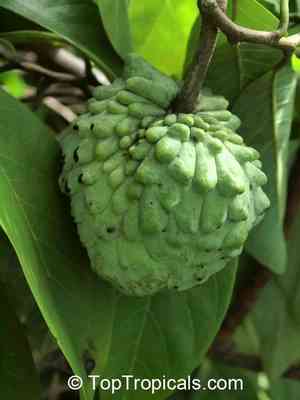
This tropical fruit tree, recognized by its heart-shaped fruits and smooth consistency, greatly benefits from precise trimming. Essential pruning methods for cherimoya involve reducing dense branches to enhance light exposure and airflow, and eliminating deceased or ailing wood to preserve its well-being. The ideal time for pruning is in spring, right before the start of its growth phase. Consistent trimming molds the tree, stimulates productive development, and increases fruit dimensions, leading to an abundant yield.
What Are the Benefits of Pruning Cherimoya?
What Are the Benefits of Pruning Cherimoya?
Trimming cherimoya encourages a larger yield by improving sun exposure and air circulation. It fosters robust development, leading to sturdier branches. Regular trimming maintains a manageable form, preventing congestion and maximizing space.
What Is the Best Time for Pruning Cherimoya?
What Is the Best Time for Pruning Cherimoya?
Trimming cherimoya during late winter or early spring is optimal as the plant is typically dormant, allowing gardeners to shape the tree without causing stress. Pruning before new growth begins helps ensure the plant's energy is directed towards producing healthy new shoots and maintaining essential structural branches. This timing also avoids removing flower buds, which can form on the previous year's growth, ensuring that the flowering and fruiting potential is not compromised. Additionally, the absence of leaves provides better visibility for identifying which branches to prune, helping to maintain the plant's desired form and promoting better air circulation and sunlight penetration, which are crucial for preventing diseases and pests.
What Tools Do I Need to Prune Cherimoya?
Hand Pruners
Perfect for making clean cuts on branches up to 1 inch in diameter, ensuring healthy regrowth for cherimoya.
Loppers
Suitable for cutting thicker branches, typically up to 2 inches, providing the necessary leverage and reach for cherimoya's growth.
Pruning Saw
Recommended for removing larger limbs over 2 inches thick, vital for shaping cherimoya and promoting fruitful development.
Hedge Shears
Effective for shaping the canopy and maintaining a tidy appearance, especially useful for managing cherimoya's dense foliage.
How to Prune Cherimoya
Disinfect Tools
Before starting, sanitize your pruning shears or saw with a solution of 1 part bleach to 9 parts water to prevent the spread of diseases to cherimoya.
Identify
Inspect cherimoya to locate dead or diseased branches. These will often appear dry, brittle, and may show discoloration or visible fungal growth.
Cut
Make clean cuts to remove dead branches. Cut them back to the base or to the point of healthy tissue, ensuring each cut is angled away from a bud to encourage proper growth.
Diseased Branches
When removing diseased branches from cherimoya, ensure the cut is made well into the healthy tissue to prevent the disease from spreading further.
Clean Up
After pruning, clean up and dispose of all dead and diseased branches away from cherimoya to reduce the risk of disease and pest infestation.
Common Pruning Mistakes with Cherimoya
Overpruning
Removing too much foliage at once can stress cherimoya, leading to poor growth and reduced fruiting.
Underpruning
Failing to remove sufficient growth can result in cherimoya becoming overcrowded, which may discourage airflow and light penetration necessary for healthy development.
Improper Cut Placement
Cutting too close to the main stem or a remaining branch can damage cherimoya's remaining tissues, while leaving too long a stub can lead to disease and pest problems.
Using Dirty Tools
Pruning with unclean tools can introduce pathogens to cherimoya, causing disease to spread.
Neglecting Structure
Not considering the overall structure when pruning can result in an unbalanced or weakened tree, which affects cherimoya's productivity and stability.
Ignoring Deadwood
Failing to remove dead or diseased wood promptly can allow infections to spread throughout cherimoya, affecting its overall health.
Common Pruning Tips for Cherimoya
Sharp Tools
Use sharp, clean pruning shears or loppers to make clean cuts. This promotes quicker healing for cherimoya and minimizes damage.
Thin Out
Thin out the canopy to allow light and air to reach the interior of cherimoya, which encourages even ripening of fruit and reduces disease pressure.
Shape The Tree
Prune to maintain cherimoya's natural form. Aim to keep the tree balanced and open, removing crossing or inward-growing branches.
Focus On Health
Regularly remove dead, damaged, or diseased wood to maintain the health and vigor of cherimoya.
Encourage Strong Branches
Prune to encourage the growth of strong, well-placed branches that can support the weight of cherimoya's fruit.
Sequential Steps
Tackle pruning in steps, assessing cherimoya after each cut. This methodical approach prevents overpruning and allows for better decision-making during the process.



