How to Prune Canyon ragweed?
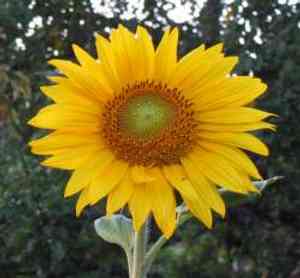
Originating from dry environments, canyon ragweed is known for its resilient qualities and allergenic pollen. Trimming entails removing deceased or excessively long stems to preserve its form and foster vitality. The most suitable times are spring and summer, periods of vigorous plant development. Pruning during these months stimulates fresh growth and can diminish allergenic pollen. Important precautions involve donning protective equipment to prevent exposure to the irritating pollen. Trimming improves visual appeal and also manages its proliferation.
What Are the Benefits of Pruning Canyon Ragweed?
What Are the Benefits of Pruning Canyon Ragweed?
Trimming canyon ragweed promotes robust development and aids in maintaining its desired form. Regular cutting eliminates dead or weak stems, fostering a healthier and more visually appealing plant structure.
What Is the Best Time for Pruning Canyon Ragweed?
What Is the Best Time for Pruning Canyon Ragweed?
Pruning in late Spring coincides with the period after dormancy when canyon ragweed begins active growth, ensuring quick recovery of trimmed areas. Early Summer pruning occurs before the peak of this plant's growth cycle and blooming period, encouraging a healthier and more manageable plant structure without significant disruption to the plant's natural life cycle.
What Tools Do I Need to Prune Canyon Ragweed?
Hand Pruners
Perfect for cutting through canyon ragweed's thinner stems and branches, providing precise control to shape the plant and remove unwanted growth.
Lopping Shears
Ideal for trimming thicker branches that hand pruners cannot manage, ensuring clean cuts without harming canyon ragweed.
Pruning Saw
Essential for cutting through canyon ragweed's mature, woody stems that are too thick for hand pruners and lopping shears.
Gloves
Protect hands from canyon ragweed's potentially irritating foliage and ensure a secure grip on pruning tools.
Safety Glasses
Shield eyes from debris when trimming canyon ragweed to prevent injury.
Long-Sleeved Clothing
Offers skin protection against canyon ragweed's rough texture during pruning activities.
How to Prune Canyon Ragweed
Clean Tools
Before beginning, ensure that pruning tools are clean and sharp to prevent disease spread and to make precise cuts on canyon ragweed.
Diseased Leaves
Carefully inspect canyon ragweed for any diseased leaves. Use pruning shears to remove these leaves close to the stem without damaging healthy tissue.
Withered Leaves
Identify withered leaves on canyon ragweed that no longer contribute to the plant's growth. Trim these leaves at the base of the stem to encourage healthy growth and reduce energy waste.
Diseased Stems
Examine canyon ragweed for diseased stems and prune them back to healthy tissue. If the stem is entirely diseased, remove it at the base, being careful not to harm nearby stems or roots.
Cleanup
After pruning canyon ragweed, promptly dispose of all removed diseased and withered plant material to prevent it from becoming a source of infection or attracting pests.
Common Pruning Mistakes with Canyon Ragweed
Over-Pruning
Removing too much foliage at once can stress canyon ragweed, potentially leading to reduced vigor and fewer blooms. Aim to remove no more than one-third of the plant's total volume during a pruning session.
Improper Cuts
Cutting too far from a node (where leaves and branches emerge) can leave unsightly stubs, while cutting too close can damage the node and hinder new growth. Make clean cuts just above the nodes.
Uneven Shaping
Novice gardeners sometimes prune canyon ragweed unevenly, which can result in lopsided growth. Maintain symmetry by stepping back frequently to assess the shape as you prune.
Neglecting Tools
Using dull or dirty pruning tools can harm canyon ragweed by making jagged cuts and potentially introducing disease. Always use sharp, sanitized pruners or scissors.
Pruning Without A Plan
Randomly cutting branches can lead to a poor structure and may harm the plant's natural shape. Always have a clear vision of the desired result before making cuts.
Common Pruning Tips for Canyon Ragweed
Health Assessment
Before pruning, inspect canyon ragweed for signs of disease, damage, or dead wood. Focus on removing these parts first to promote healthy growth.
Selective Thinning
Thinning out crowded areas improves air circulation and light penetration, which helps prevent disease and promotes stronger, healthier growth.
Encouraging Bushiness
To make canyon ragweed bushier, pinch or cut back the tips of young shoots. This encourages lateral branching.
Promoting Flowering
If applicable to canyon ragweed, prune immediately after flowering to avoid cutting off next year's buds. This will help ensure a robust flowering season.
Maintain Plant Form
Respect the natural shape of canyon ragweed when pruning. Remove wayward branches and anything that disrupts the plant's balance, but avoid over-manicuring.



