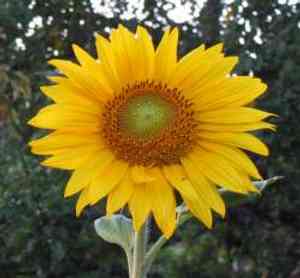
Canyon ragweed (Ambrosia ambrosioides)
Also known as: Big bur-sage, Ambrosia bursage
Canyon ragweed, part of the sunflower family, doesn't resemble a typical sunflower. It blooms in early spring and produces a fruit that looks like a prickly burr.
In This Article
Attributes of Canyon ragweed
Lifespan
Perennial
Plant Type
Herb
Plant Height
1 m to 2 m
Spread
50 to 80 cm
Leaf Color
Green
Flower Size
6 mm to 8 mm
Flower Color
Yellow Green
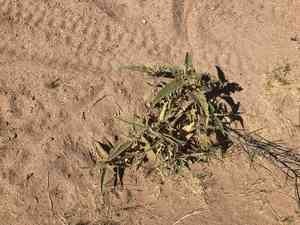
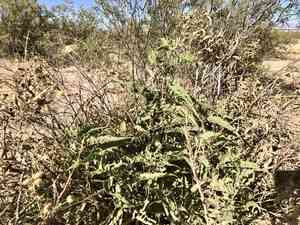
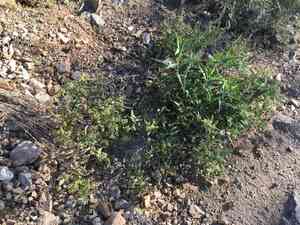
Images of Canyon ragweed
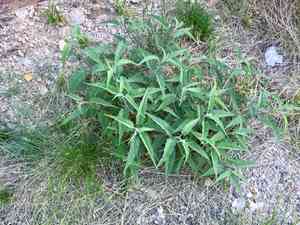
Quickly Identify Canyon ragweed
1
Ambrosia ambrosioides can be identified by its sticky, glandular stems, aromatic leaves, and small inconspicuous flowers grouped in clusters. The leaves are lance-shaped and sticky to the touch.
Scientific Classification of Canyon ragweed
Phylum
Vascular plants
Class
Dicotyledons
Order
Asterales
Family
Daisy
Genus
ragweed
Species
Canyon ragweed
Planting and Growing of Canyon ragweed
Care Difficulty
Easy
Watering Schedule
Every 4 days
Sunlight Requirements
Partial sun
Sunshine Duration
6-8 hours
Ideal Temperature
60-75℉
Soil Type
Potting Mix, Peat Mix
Soil pH
6.5-7.5
Fertilizer Type
Balanced
Pruning Season
Spring, Summer
Pruning Area
Branches, Leaves
Pruning Frequency
2 times a year
Repotting Season
Spring
Pot Type
Plastic, Ceramic
 How to Water Canyon ragweed?
Ambrosia ambrosioides thrives with a watering regimen that ensures the soil remains consistently moist, yet not soggy. Typically, a generous 500 ml of water is suitable for each session. It's essential to water until the soil feels damp to a depth of about 2 inches, ensuring that all layers of the root get the moisture needed to maintain the plant's health.
What are the symptoms of an underwatered Canyon ragweed?
›
What should I do if my Canyon ragweed is not getting enough water?
›
What are the symptoms of an overwatered Canyon ragweed?
›
How to save an overwatered Canyon ragweed?
›
 What Are the Sunlight Requirements for Canyon ragweed?
Ambrosia ambrosioides benefits from partial to full sun exposure, ideally basking in 4 to 6 hours of sunlight daily. Proper light balance enhances its growth, strengthening resilience and optimizing both photosynthesis and reproductive performance.
More About Sunlight Requirements Techniques→
How much sun is ideal for Ambrosia ambrosioides?
›
What happens when Ambrosia ambrosioides receives optimal sunlight?
›
How can you ensure Ambrosia ambrosioides gets enough light?
›
 What Is the Ideal Temperature Range for Canyon ragweed?
For optimal growth, Ambrosia ambrosioides thrives best in temperatures ranging from 60°F to 75°F. This range provides the most suitable environment for photosynthesis and nutrient uptake, ensuring healthy foliage and robust development.
 What Soil is Best for Canyon ragweed?
The plant thrives in well-drained soil conditions, allowing roots to access nutrients and oxygen effectively. This prevents root rot and promotes healthy growth, ensuring the plant's longevity and vitality. Ambrosia ambrosioides benefits from soil rich in organic matter. Such soil provides essential nutrients that support growth and encourages robust foliage, making it ideal for plant vigor and resilience. Maintaining moderate moisture in the soil ensures the plant receives adequate hydration without waterlogging. This balance helps prevent dehydration and supports sustainable growth cycles.
 How to Fertilize Canyon ragweed?
Ambrosia ambrosioides thrives well when provided with a balanced nutritional intake. The ideal fertilizer amount is 1/4 teaspoon per gallon of water for liquid fertilizer. For slow-release fertilizer, mix around 2 ounces per plant into the soil, ensuring it's evenly distributed to prevent nutrient burn.
 How to Prune Canyon ragweed?
Begin by assessing the overall shape of your Ambrosia ambrosioides. Use clean, sharp shears to trim away any dead or diseased branches. Focus on inner branches to improve air circulation, which helps prevent fungal diseases. Always cut at a slight angle just above a leaf node to promote new growth. To shape Ambrosia ambrosioides, carefully determine the desired silhouette. Cut back long, scraggly limbs to maintain a bushy appearance. Aim for balance -- the plant should look symmetrical from above. Gradually trim in small amounts to avoid shock to the plant’s system.
More About Pruning Techniques→
 How to Propagate Canyon ragweed plant?
1
Collect seeds from matured Ambrosia ambrosioides plants. Clean the seeds and dry them properly to avoid mold. Before sowing, you might soak them in water for a few hours to facilitate quicker germination.
2
Select a healthy stem, and using pruning shears, cut a 4-6 inch section. Remove the lower leaves. Dip the cutting end in rooting hormone to aid in quicker root development and prevent fungus.
3
Fill a pot with a well-draining soil mix. Plant the seeds or place the cuttings in the soil making sure to cover only the base. Water the soil lightly to maintain moisture without making it soggy.
 How to Repot Canyon ragweed plant?
1
You should consider repotting Ambrosia ambrosioides when you notice roots growing out of the drainage holes or when the growth appears stunted despite regular care. These are clear signals that the plant is craving more space to stretch its roots and thrive.
2
Choose a pot that is only a few inches larger than the current one. This prevents excessive soil and water retention, which can harm the roots. A pot with good drainage holes is essential to avoid waterlogging and ensure the plant's roots can breathe.
3
Opt for well-draining sandy soil to match its natural habitat and ensure proper root aeration. This type of soil prevents root rot by allowing excess moisture to quickly escape, providing the roots with the perfect balance of moisture and air.
Toxicity
Ingestion
WARNING
The judgment on toxicity and danger is for reference only. We DO NOT GUARANTEE any accuracy of such judgment. Therefore, you SHALL NOT rely on such judgment. It is IMPORTANT TO SEEK PROFESSIONAL ADVICE in advance when necessary.



