How to Prune Smooth joyweed?
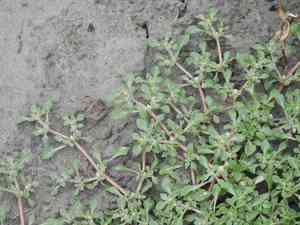
A low-growing perennial, smooth joyweed flourishes with consistent shaping. Optimal trimming occurs from spring through autumn, with frequent, gentle cuts fostering compact development. Make cuts directly above leaf junctions to preserve form and dimensions. Eliminate deceased or compromised stalks to enhance vitality. Advantageously, trimming deters sparse growth and encourages robust foliage, boosting visual attractiveness. Employ discarded sections for propagation, facilitating efficient garden upkeep.
Advantages of Trimming Smooth Joyweed
Advantages of Trimming Smooth Joyweed
Trimming smooth joyweed promotes robust development and helps maintain its desired form. Strategic cutting back stimulates new branches, enhancing overall vigor and look, while keeping the plant compact.
Optimal Period for Pruning Smooth Joyweed
Optimal Period for Pruning Smooth Joyweed
Pruning smooth joyweed in Spring is recommended as the plant is emerging from dormancy, allowing new growth to quickly heal cuts and encourage more vigorous development. Early Summer pruning is ideal for shaping the plant while it's actively growing, enabling smooth joyweed to recover and fill out well before colder months. Fall pruning is beneficial for removing dead or diseased foliage, preventing pest or disease spread during smooth joyweed's dormant phase. However, late fall pruning is not advised, as new growth might not have enough time to harden before frost.
Tools Required for Pruning Smooth Joyweed
Hand Pruners
For smooth joyweed, hand pruners are suitable for making precise cuts and shaping the plant due to its relatively soft stem structure.
Shears
Smooth joyweed may need trimming to maintain its shape or encourage bushier growth. Shears can help in evenly cutting back larger sections of the plant quickly and efficiently.
Pruning Scissors
Pruning scissors are perfect for smooth joyweed when performing intricate tasks like thinning or removing small, delicate stems without harming the plant.
How to Prune Smooth Joyweed
Clean tools
Sanitize pruning tools with a solution of one part bleach to nine parts water to prevent disease transmission.
Trim diseased parts
Carefully remove any diseased leaves and branches from smooth joyweed using sharp pruning shears, making cuts at the base of affected areas, well into healthy tissue to ensure all diseased material is eliminated.
Remove dead material
Identify and cut away any dead or withered leaves as well as dead branches, pruning them back to the nearest healthy stem or the base of smooth joyweed without leaving stubs.
Shape plant
Thin out crowded areas of smooth joyweed to improve air circulation, choosing to remove some of the inner branches that show less vigor.
Cleanup
Dispose of all trimmed material away from smooth joyweed and other plants to reduce the risk of spreading any potential diseases, and clean the tools again after use.
Common Pruning Errors with Smooth Joyweed
Excessive pruning
Removing too much foliage or cutting back smooth joyweed severely can impede its growth and diminish its ornamental appeal.
Incorrect tools
Using dull or dirty tools can damage the stems of smooth joyweed and make it vulnerable to disease.
Ignoring plant structure
Failing to consider the natural shape and growth pattern of smooth joyweed when pruning may result in an unbalanced appearance and poor growth.
Pruning into old wood
Smooth joyweed may not readily produce new growth from older, woody stems, so pruning into this material can leave unsightly gaps.
Neglecting tool hygiene
Not sterilizing tools between uses can spread pests and diseases to smooth joyweed from other plants.
General Pruning Advice for Smooth Joyweed
Consistent light pruning
Regularly pinching back the tips of smooth joyweed promotes a bushier habit and denser foliage, which is generally more aesthetically pleasing.
Sharp, clean implements
Utilize sharp shears or scissors to ensure clean cuts that heal quickly on smooth joyweed, minimizing stress and disease risk.
Observe growth
Monitor smooth joyweed's development to identify leggy or sparse areas that benefit from pruning to promote fuller growth.
Rejuvenation
Identify older sections of smooth joyweed that may need selective removal to encourage fresh growth and improve air circulation.
Protective growth balance
Maintaining a good balance of new and old growth on smooth joyweed ensures a steady supply of energy and doesn't shock the plant.



