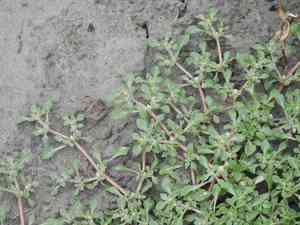
Smooth joyweed (Alternanthera paronychioides)
Also known as: Trailing Alternanthera
Smooth joyweed, originally from Central and South America, typically grows low to the ground in wet or saline environments. It has also spread to the southern United States, India, and Southeast Asia.
In This Article
Attributes of Smooth joyweed
Lifespan
Perennial
Plant Type
Herb
Plant Height
10 cm to 30 cm
Spread
30 cm to 60 cm
Leaf Color
Green, Reddish
Flower Size
2.5 cm
Flower Color
White
Images of Smooth joyweed
Quickly Identify Smooth joyweed
1
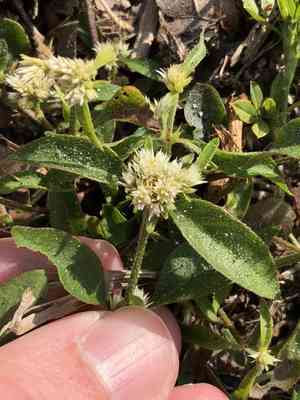
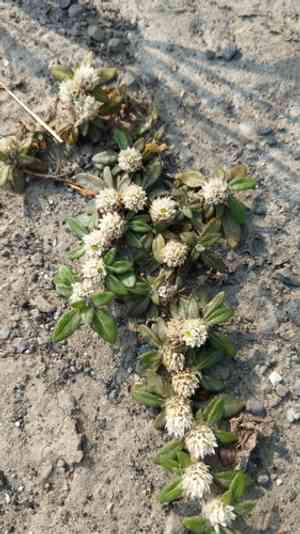
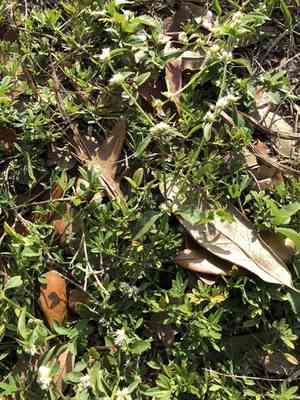
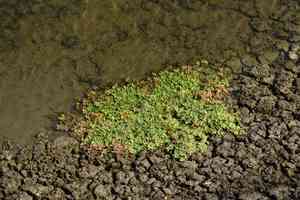
The plant can be identified by its sprawling habit, small and oval-shaped leaves which can appear reddish or green, and tiny, inconspicuous white flowers.
Scientific Classification of Smooth joyweed
Phylum
Vascular plants
Class
Dicotyledons
Order
Caryophyllales
Family
Amaranth
Genus
Joseph's coat
Species
Smooth joyweed
Planting and Growing of Smooth joyweed
Care Difficulty
Easy
Watering Schedule
Every 8 days
Sunlight Requirements
Full sun
Sunshine Duration
6-10 hours
Ideal Temperature
68-77℉
Soil Type
Potting Mix, Peat Mix
Soil pH
6.5-7.5
Fertilizer Type
Balanced
Pruning Season
Spring, Summer
Pruning Area
Branches, Leaves
Pruning Frequency
2 times a year
Repotting Season
Spring
Pot Type
Plastic, Terracotta
 How to Water Smooth joyweed?
The Alternanthera paronychioides thrives best when the soil is kept consistently moist but not waterlogged. Water with about 200 milliliters each time, ensuring the moisture penetrates evenly throughout the root area. The key is to maintain a balance where the soil feels damp to the touch, resembling a squeezed-out sponge.
What are the symptoms of an underwatered Smooth joyweed?
›
What should I do if my Smooth joyweed is not getting enough water?
›
What are the symptoms of an overwatered Smooth joyweed?
›
How to save an overwatered Smooth joyweed?
›
 What Are the Sunlight Requirements for Smooth joyweed?
Alternanthera paronychioides flourishes under full sun to partial sun conditions. Access to 6 to 8 hours of light bolsters its striking leaf colors, encourages bushy growth, and enhances overall plant health.
More About Sunlight Requirements Techniques→
How much light does Alternanthera paronychioides need?
›
What are the best solutions to achieve ideal lighting?
›
What benefits does ideal lighting provide?
›
 What Is the Ideal Temperature Range for Smooth joyweed?
The ideal temperature range for Alternanthera paronychioides is between 68°F and 77°F. This range ensures optimal growth, as temperatures within this range support healthy photosynthesis and nutrient uptake, leading to vibrant foliage and robust plant development. It's essential to maintain consistent warmth without fluctuation to avoid stress.
 What Soil is Best for Smooth joyweed?
Alternanthera paronychioides thrives in nutrient-rich soil that supports its vigorous growth and vibrant foliage. A well-fed soil promotes healthy root development and enhances the plant's colorful appearance, making it more resistant to pests and diseases. This plant requires well-drained soil to prevent waterlogging, which can lead to root rot. Good drainage ensures that the roots receive adequate oxygen and nutrients, fostering a strong and resilient plant structure. Alternanthera paronychioides benefits from consistent moisture levels in the soil. This ensures that the plant remains hydrated, maintaining its lush look and preventing wilting, especially during dry and hot periods.
 How to Fertilize Smooth joyweed?
Alternanthera paronychioides requires balanced nutrition, so a 10-10-10 liquid fertilizer is ideal. When applying, use half the recommended strength to avoid over-fertilization. For solid fertilizers, follow the manufacturer's recommendation, often needing 1 tablespoon per plant.
 How to Prune Smooth joyweed?
Begin by removing any dead, damaged, or faded leaves and stems. This initial clean-up focuses on improving the plant's health and appearance, making way for new growth. Trim back branches evenly to maintain a symmetrical shape. Make cuts just above the leaf nodes to encourage fuller growth and ensure a lush, bushy plant. Throughout the growing seasons, continue to pinch back new growth tips to promote branching. This encourages denser foliage and maintains a neat, compact form.
More About Pruning Techniques→
 How to Propagate Smooth joyweed plant?
1
Choose cuttings that are healthy, green, and free of any disease or pests. The cuttings should be about 4-6 inches long with at least two sets of leaves.
2
Remove the lower leaves of the cutting to prevent rot when placed in soil. Dip the cut end in rooting hormone to encourage faster root growth.
3
Insert the cutting into a small pot filled with potting mix. Ensure the potting mix is lightly moistened before insertion, and cover with a plastic bag to retain humidity.
 How to Repot Smooth joyweed plant?
1
Alternanthera paronychioides shows clear signs when it needs repotting. If you notice roots growing out of the drainage holes or the plant appearing cramped and growth-stalled, it's time. Spring or summer is ideal, as the plant is in an active growth phase, which helps recovery and root establishment in the new pot.
2
Select a pot slightly larger than the current one, with good drainage. Terracotta pots are great as they allow the soil to breathe, preventing root rot. Ensure the pot is only an inch or two wider to avoid excess soil moisture retention, promoting healthier root growth.
3
Opt for a well-draining potting mix, enriched with organic matter. This mix provides nutrients while ensuring excess water is quickly drained, preventing root rot and promoting vibrant growth. The airy nature of the soil also encourages strong root development.
Learn More About Smooth joyweed Diseases
Anthracnose
Bacterial Leaf Spot
Bacterial Soft Rot
Damping-off
Downy Mildew
Fusarium Wilt
Gray Mold
Leaf Spot
Mosaic
Powdery Mildew
Root Rot
Root-knot Nematode
Rusts
Sooty Mold
White Mold
Chemical Injury
Drought Stress
Nutrient Deficiency
Nutrient Toxicity
Temperature Stress
Spider Mites
Thrips Damage



