How to Prune Peruvian lily?
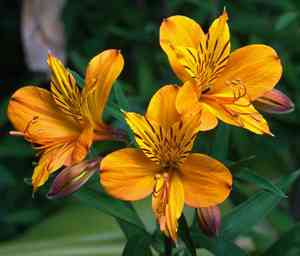
Celebrated for its vivid, trumpet-like blossoms, Alstroemeria flourishes with consistent maintenance. Essential trimming includes detaching faded flowers and severing stalks at their base after blooming to stimulate subsequent flowering. Optimal pruning occurs in early spring, precisely when fresh shoots emerge. Periodically, eliminate withered foliage and sections harmed by frost. Pruning stimulates robust development, leading to a more vital and abundant specimen. Refrain from severe cutting to avert undue strain.
What Are the Benefits of Pruning Peruvian Lily?
What Are the Benefits of Pruning Peruvian Lily?
Trimming peruvian lily promotes abundant flowering and robust development, maintaining a tidy form. This ensures strong plant vitality and an optimal floral display.
What Is the Best Time for Pruning Peruvian Lily?
What Is the Best Time for Pruning Peruvian Lily?
In early spring, peruvian lily is just resuming active growth after winter dormancy, which is a time when pruning can encourage vigorous new growth and a robust upcoming blooming season. Removing spent flowers or dead foliage at this time can also help prevent disease and pests. Late fall pruning is beneficial for peruvian lily because it helps to remove old growth and dead or dying stems before the plant goes into dormancy. This cleanup reduces places where pests could overwinter and prepares peruvian lily for healthy growth when temperatures rise in the spring. Pruning during these seasons aligns with the natural growth cycle of peruvian lily, optimizes plant health, and supports a plentiful flowering period.
What Tools Do I Need to Prune Peruvian Lily?
Secateurs
Secateurs, or hand pruners, are ideal for cutting through the thinner stems and deadheading spent flowers on peruvian lily. Their precision and ease of handling make them a go-to tool for the routine maintenance of peruvian lily.
Pruning Shears
Pruning shears or scissors can be employed for more delicate work, such as shaping the plant and removing unwanted or delicate growth without causing damage to the plant structure.
Gloves
Wearing gloves is essential to protect the hands from thorns and sap, which can cause skin irritation in sensitive individuals when tending to peruvian lily.
Garden Fork
Use a garden fork for loosening the soil around peruvian lily, which can help with aeration and ease the process of removing any dead plant material at the base of the plant.
How to Prune Peruvian Lily
Step1: Timing for Pruning
Wait for the appropriate period to trim peruvian lily, typically after flowering concludes in late summer or early autumn. Avoid pruning in late winter or early spring as this can reduce the flower production for the upcoming season.
Step2: Select Sharp, Clean Shears
Equip yourself with sharp and clean pruning shears to prevent disease transmission and ensure clean cuts.
Step3: Identify Faded Blooms
Locate the dead flowers and spent blooms on peruvian lily that need to be trimmed. These are typically faded, withered, and have lost their vibrant color.
Step4: Cut Back Dead Flowers
Prune the dead flowers and spent blooms by cutting them back to the base of the stem. Make your cut just above a leaf node or lateral flower stalk, as close as possible to the main stem without damaging it.
Step5: Angled Cuts to Prevent Rot
Ensure that the cuts are made at an angle to prevent water accumulation on the cut surface, which could promote rot or disease.
Step6: Deadheading for More Blooms
Regularly remove the dead flowers and spent blooms throughout the blooming period to encourage peruvian lily to produce more flowers.
Step7: Dispose of Pruned Material
After pruning, dispose of the dead and spent material away from your garden to prevent the potential spread of pests or diseases.
Step8: Water Plant Post-Pruning
Water the peruvian lily adequately after pruning to reduce stress on the plant and support new growth.
Step9: Monitor Plant Health
Monitor the peruvian lily for any signs of disease or stress in the weeks following pruning and take appropriate measures to maintain plant health.
Post-Pruning Care for Peruvian Lily
Post-Pruning Care for Peruvian Lily
After pruning peruvian lily, immediately ensure adequate water intake to prevent dehydration stress, avoiding waterlogging. Maintain partial sun exposure, avoiding intense direct sunlight. Keep ambient temperatures between 65-75°F and humidity around 40-60%. Introduce a balanced fertilizer to support new growth after a week. Monitor peruvian lily for wilting, discoloration, or signs of disease. At any stress signs, adjust care accordingly and, if necessary, isolate the plant to prevent spreading of potential pathogens.
Common Pruning Mistakes with Peruvian Lily
Excessive Pruning Harms Plant Health
Trimming peruvian lily too severely, which can stress the plant and reduce its vigor.
Cutting Old Woody Stems Damages Structure
Cutting into old, woody stems that no longer produce flowers, potentially damaging the plant's structure.
Unsterilized Tools Spread Disease
Pruning without first sterilizing the tools, which can spread disease to peruvian lily.
Not Deadheading Reduces Bloom Production
Neglecting to remove spent flowers, which can lead to a decrease in future blooming.
Ignoring Plant's Natural Shape Harms Aesthetics and Health
Ignoring the natural growth pattern of peruvian lily, resulting in an unnatural appearance and potential harm to the plant.
Common Pruning Tips for Peruvian Lily
Sharp Clean Cuts Prevent Damage and Disease
Use sharp, clean pruning shears to make precise cuts on peruvian lily, helping to prevent damage and disease.
Remove Dead Flowers to Boost Blooming
Focus on removing dead or fading flowers to encourage peruvian lily to produce more blooms.
Diagonal Pruning Above Leaf Node for Growth
Prune stems of peruvian lily at a diagonal angle just above a healthy leaf node, promoting better water runoff and new growth.
Cut Back Spent Stems to Stimulate New Growth
After flowering, cut back the stems that have finished blooming to the base to revitalize peruvian lily and stimulate new growth.
Thin Dense Growth for Better Air Circulation
Thin out dense growth to improve air circulation, which can help prevent fungal diseases in peruvian lily.
Prune with Natural Shape for Aesthetics and Health
Be mindful to maintain the natural shape of peruvian lily when pruning, enhancing its aesthetic appeal and health.



