How to Prune Alseuosmia quercifolia?
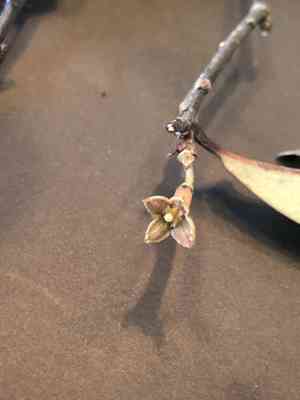
Alseuosmia quercifolia is recognized for its foliage resembling oak and fragrant blossoms. Perform trimming in early spring, prior to the emergence of new shoots, to sculpt the plant and eliminate any deceased or impaired limbs. Concentrate on reducing crowded sections to enhance air movement and light access. Consistent trimming fosters more robust flowering and improved development. Employ sanitized, keen implements for accurate incisions, and refrain from excessive pruning to preserve the plant's inherent form and vigor.
What Are the Benefits of Pruning Alseuosmia Quercifolia?
What Are the Benefits of Pruning Alseuosmia Quercifolia?
Trimming alseuosmia quercifolia stimulates robust development, maintains its form, fosters healthy foliage, and enhances light and air circulation, thereby lowering pest and disease risks. Remove dead or diseased branches and shape after blooming to optimize health and visual appeal.
What Is the Best Time for Pruning Alseuosmia Quercifolia?
What Is the Best Time for Pruning Alseuosmia Quercifolia?
Pruning alseuosmia quercifolia in early spring is advisable as it allows the plant to recover swiftly before the active growth period commences. Trimming at this time encourages vigorous new growth, improves the plant's structure, and minimizes disease risk. Early spring pruning ensures alseuosmia quercifolia can direct its energy efficiently towards new buds and leaves, optimizing its long-term health and vitality.
What Tools Do I Need to Prune Alseuosmia Quercifolia?
Bypass Pruners
Perfect for precise cuts on smaller branches and stems, aiding in healthy growth without causing harm.
Loppers
Useful for cutting thicker branches too large for bypass pruners, ensuring clean cuts without crushing plant tissue.
Pruning Saw
Essential for removing larger branches or dead wood, allowing for accurate cuts on woodier sections.
Hedge Shears
Effective for shaping and maintaining the plant's overall form, especially useful for early spring pruning.
How to Prune Alseuosmia Quercifolia
Inspect
Carefully examine alseuosmia quercifolia for any diseased leaves, withered leaves, dead branches, and diseased branches. This step is vital to assess overall health and identify parts requiring trimming.
Sanitize
Disinfect your pruning tools to prevent disease spread. Use a solution of one part bleach to nine parts water and clean your tools thoroughly.
Remove diseased leaves
Prune any diseased leaves first, making cuts at least 1 inch below the visibly affected area to ensure all diseased tissue is removed. Be sure to discard all removed parts properly.
Remove withered leaves
Trim any withered leaves by cutting them back to the base of their attached stem. Ensure each cut is clean to promote healthy regrowth.
Clear dead diseased branches
Carefully cut away any dead or diseased branches. Cut back to healthy wood, ensuring cuts are made just above a bud or branch union to promote regrowth. Dispose of these branches properly to prevent disease spread.
Common Pruning Mistakes with Alseuosmia Quercifolia
Cutting too much
Removing over one-third of the plant can stress it and hinder future development.
Improper tools
Using dull or unsanitized tools can cause damage and potentially introduce diseases.
Incorrect cuts
Cutting too close to the main stem or making jagged cuts can harm the plant and impede proper healing.
Ignoring dead or damaged wood
Failing to remove dead or damaged branches can lead to decay and attract pests.
Common Pruning Tips for Alseuosmia Quercifolia
Use sharp, clean tools
Ensure your pruners and shears are disinfected and sharp for clean cuts, which aid in faster healing.
Make angled cuts
Always cut at a 45-degree angle to facilitate water runoff and reduce the chance of rot.
Remove dead and damaged wood first
Identify and prune any parts of the plant that are dead, diseased, or damaged to stimulate healthier growth.
Light pruning
Perform light pruning regularly rather than heavy pruning sporadically, to keep the plant in good shape and promote continuous growth.
Encourage airflow
Trim back branches that are overly congested to improve airflow within the plant, reducing the risk of disease.



