How to Prune Hawai'i kauilatree?
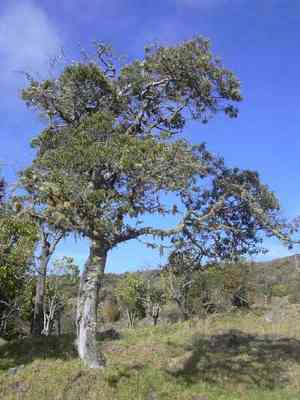
Celebrated for its lustrous foliage and thick crown, the hawai'i kauilatree thrives with judicious trimming to bolster its inherent form and vitality. The most effective time for pruning is in the colder months, enabling the tree to recover and produce fresh shoots in the warmer season. Concentrate on excising lifeless, injured, or intersecting limbs to boost air circulation and mitigate problems with insects. Trimming additionally encourages more robust development and preserves the intended silhouette. To achieve superior outcomes, employ sanitized, keen implements and adhere to established gardening techniques.
Advantages of Trimming Hawai'i Kauilatree
Advantages of Trimming Hawai'i Kauilatree
Trimming hawai'i kauilatree encourages robust development and helps maintain its desired form. Regular cutting promotes a strong framework, vital for supporting its abundant foliage.
Optimal Period for Pruning Hawai'i Kauilatree
Optimal Period for Pruning Hawai'i Kauilatree
Winter is the best season for pruning hawai'i kauilatree as this period typically marks a dormant phase for many plant species, including hawai'i kauilatree. During dormancy, the plant's metabolic processes slow down, which reduces stress and allows for better recovery from pruning. Winter pruning aids in removing dead or diseased wood, and it prepares the plant for vigorous spring growth by enhancing light penetration and air circulation. Furthermore, since hawai'i kauilatree has finished its flowering and fruiting cycles by this time, winter pruning ensures these processes are not interrupted, leading to healthier blooms and fruit production in subsequent seasons.
Required Tools for Pruning Hawai'i Kauilatree
Hand Pruners
Perfect for cutting smaller branches and twigs of hawai'i kauilatree, hand pruners offer precision and are easy to use, making them suitable for detailed shaping. They help preserve the natural structure and health of hawai'i kauilatree by enabling clean cuts.
Loppers
Ideal for cutting thicker branches up to 2 inches in diameter, loppers provide extended reach and increased leverage, which is beneficial for accessing hawai'i kauilatree's denser areas without harming surrounding branches.
Pruning Saw
For branches exceeding 2 inches in thickness, a pruning saw is essential. It allows for efficient cutting of larger branches, crucial for managing the growth and maintaining the health of hawai'i kauilatree. The saw's sharp teeth can handle the tough nature of hawai'i kauilatree's wood.
How to Prune Hawai'i Kauilatree
Identify
Locate and evaluate dead or diseased branches on hawai'i kauilatree. Specifically look for branches showing signs of decay, unusual color changes, or a lifeless appearance. This helps determine which limbs require attention to prevent stress and potential harm to the rest of the plant.
Prepare tools
Ready appropriate pruning implements. Ensure tools such as pruning shears, loppers, or a saw are clean and sharp. Sanitize the blades with a bleach or alcohol solution, especially when dealing with diseased branches to prevent pathogen spread.
Cut
Remove dead and diseased branches from hawai'i kauilatree. Use pruning shears for smaller branches and loppers or a saw for larger limbs. Make each cut just outside the branch collar, which is the raised area where the branch connects to the trunk or another branch. This method promotes natural healing.
Clean
Properly dispose of removed branches. Do not leave diseased material near hawai'i kauilatree as it can facilitate disease spread. If the debris is healthy, consider using it as mulch or compost.
Monitor
Observe hawai'i kauilatree after pruning. Look for signs of further disease or new growth. Timely monitoring helps in managing the health and shape of hawai'i kauilatree, and early detection of issues improves overall health and aesthetics.
Common Pruning Errors with Hawai'i Kauilatree
Improper technique
Using dull or unsuitable tools can result in jagged cuts, increasing vulnerability to diseases and pests. It is vital to use sharp, clean pruning shears or saws.
Excessive pruning
Over-pruning can stress hawai'i kauilatree, leading to a decline in its health. Removing more than one-third of the plant at a time can significantly weaken it.
Incorrect cuts
Failing to make clean cuts or cutting too close to the trunk can harm the plant. Flush cuts can remove too much bark, impeding the plant's natural healing process.
Disregarding the plantâs natural shape
Pruning without considering hawai'i kauilatree's natural growth habit can lead to an unbalanced appearance and disrupt its natural development.
General Pruning Advice for Hawai'i Kauilatree
Utilize appropriate tools
Ensure your pruning tools are sharp and sterilized to make clean cuts and minimize infection risk. Bypass pruners are generally preferred for their precise cutting action.
Cut at the correct angle
When trimming branches, make your cuts at a 45-degree angle, just above an outward-facing bud. This encourages new growth to follow the natural form of hawai'i kauilatree.
Remove dead, diseased, or damaged wood first
Begin by eliminating any dead, diseased, or damaged branches. This helps improve the overall health of hawai'i kauilatree and prevents disease spread.
Thin out congested areas
Thinning out areas where branches are too dense enhances air circulation and light penetration, contributing to healthier growth.
Step back and assess
Periodically step back and evaluate your work to maintain a balanced and natural shape. Pruning should be done gradually to ensure you do not remove too much at once.



