How to Prune Three-cornered leek?
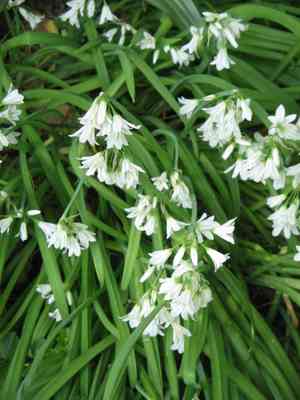
A persistent bulbous plant featuring white, campanulate blossoms and characteristic three-sided stems, three-cornered leek thrives with trimming to control its expansion and foster robust development. Cut back the leaves following blooming and seed dispersal, generally from early spring through late summer. Removing spent flowers prevents natural reseeding and aggressive spreading. Discard all trimmed material to avert unintended proliferation. Pruning during its inactive period is not required unless for excising compromised or ailing sections.
What Are the Benefits of Pruning Three-cornered Leek?
What Are the Benefits of Pruning Three-cornered Leek?
Trimming three-cornered leek promotes robust development, maintains desired shapes, and prevents excessive growth. It directly supports its vitality and garden appearance.
What Is the Best Time for Pruning Three-cornered Leek?
What Is the Best Time for Pruning Three-cornered Leek?
Pruning in early spring allows gardeners to remove dead or damaged leaves without harming three-cornered leek as it prepares for new growth. This timing also avoids cutting the plant during its main growth period, ensuring it has the energy to produce flowers and flourish. Late summer pruning is helpful for managing the spread of three-cornered leek by removing spent flowers before they can produce seeds, thereby controlling its potential invasiveness while maintaining its strength for the next season.
What Tools Do I Need to Prune Three-cornered Leek?
Hand Pruners
Ideal for making precise cuts on three-cornered leek's leaves and flower stems. Hand pruners offer accuracy, which is essential for avoiding harm to the bulb and nearby plants.
Shears
Perfect for efficiently trimming back clusters of three-cornered leek's foliage, especially when managing larger areas. Shears have a longer blade than hand pruners, making it easier to cut multiple stems at once.
Gardening Gloves
Crucial for protecting hands from sap and ensuring a secure grip on tools while cutting back three-cornered leek.
Garden Disposal Bags
Useful for collecting and discarding the trimmed foliage of three-cornered leek, to maintain tidiness and order in the garden.
How to Prune Three-cornered Leek
Step1: Identify Dead Flowers
Examine three-cornered leek and locate the dead flowers. These typically appear as faded blooms at the top of the stem, which may have also started to wilt or dry out.
Step2: Remove Faded Blooms
Using sharp, clean pruning shears, snip off the dead flowers where they meet the stem. Make the cut just above a healthy leaf or bud to encourage new growth.
Step3: Prune Yellow/Damaged Leaves
Find any yellow or damaged leaves on three-cornered leek. Yellow leaves might indicate age, damage, or disease and should be removed to prevent potential disease spread and to improve its overall look.
Step4: Detach Yellow Leaves
Carefully remove the yellow leaves by cutting them off at the base where they meet the stem or the ground using either pruning shears or by gently pulling them if they come away easily.
Step5: Trim Overgrown Sections
Assess three-cornered leek for any parts that appear overgrown or are encroaching on other plants or areas of your garden. Overgrown sections can be removed to maintain the plant's shape and size or to control its spread.
Step6: Cut Back to Leaf Nodes
Prune overgrown sections of three-cornered leek by trimming back the stems to a desired length. Ensure that these cuts are made just above the leaf nodes to promote healthy regrowth.
Step7: Clean Plant Debris
After pruning, clean up any fallen plant debris from around three-cornered leek. This helps prevent the spread of diseases and keeps the garden tidy.
Step8: Dispose of Pruned Material
Dispose of all pruned material properly, either by composting if the material is disease-free or by discarding in the trash if there's any sign of disease.
Step9: Sanitize Pruning Tools
Clean your pruning tools after finishing to prevent the spread of diseases to other plants in your garden.
Step10: Water After Pruning
Water the plant if necessary, depending on the soil moisture and the weather conditions, to help three-cornered leek recover from the pruning stress.
Post-Pruning Care for Three-cornered Leek
Post-Pruning Care for Three-cornered Leek
Immediately after trimming three-cornered leek, ensure it receives light watering to reduce stress. Maintain moderate light exposure, avoiding direct harsh sunlight. Keep three-cornered leek in a stable environment with temperatures between 13-24°C and consistent humidity. Apply a balanced liquid fertilizer to replenish nutrients and promote recovery. Monitor for wilted leaves or discoloration. If symptoms of stress or infection arise, reduce watering and inspect for pests or diseases, taking appropriate action promptly.
Common Pruning Mistakes with Three-cornered Leek
Cautious Avoidance of Over-Pruning Plants
Excessive pruning, which can lead to a weakened three-cornered leek and reduced vigor.
Ensuring Use of Sharp and Clean Pruning Tools
Using dull or dirty pruning tools, which can harm the plant's stems and potentially introduce disease.
Respecting Plant's Natural Growth Patterns During Pruning
Pruning without assessing the plant's natural form, potentially removing the wrong stems and disrupting three-cornered leek's natural growth patterns.
Avoiding Damage to Plant Bulbs During Pruning
Pruning too close to the bulb, which could harm the plant's ability to store energy for the next growing season.
Preventing Excessive Foliage Removal to Ensure Plant Health
Removing too much foliage, thus limiting three-cornered leek's ability to photosynthesize and impeding its overall health and flower production.
Common Pruning Tips for Three-cornered Leek
Control Spread by Pruning Flower Stalks Post-Bloom
After flowering, cut back the flower stalks of three-cornered leek to prevent self-seeding if you wish to control its spread.
Use Sterilized, Sharp Tools for Healthy Pruning Cuts
Use clean, sharp scissors or secateurs to make clean cuts, which will help prevent disease and minimize stress to three-cornered leek.
Remove Damaged or Diseased Foliage to Promote Plant Health
Focus on removing any damaged or diseased foliage to maintain the health of three-cornered leek.
Cut Back Foliage Post-Season to Prevent Fungal Diseases
Trim the foliage back to ground level at the end of the growing season to keep the area tidy and reduce the risk of fungal diseases.
Leave Stem Stubs to Shield Bulbs and Mark Plant Sites
When tidying three-cornered leek, leave a few inches of stem above the soil to protect the bulb and indicate the plant's location in the garden.



