How to Prune Garlic?
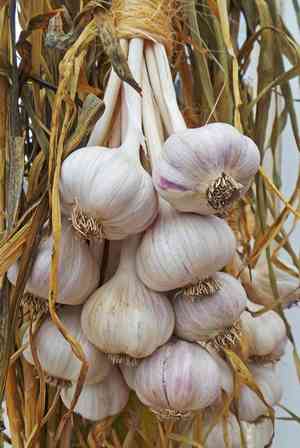
A kitchen essential, garlic is recognized for its potent scent and taste. Snip off flower stems as they appear to channel vitality into bulb development. Remove any foliage that is turning yellow. Optimal pruning occurs from early spring through late summer, guaranteeing substantial cloves. Advantages of pruning encompass bigger bulbs and avert energy redirection to undesirable sections.
What Are the Benefits of Pruning Garlic?
What Are the Benefits of Pruning Garlic?
Trimming garlic can boost the plant's vitality, promoting strong development. It helps maintain its form, ensuring garlic stays robust and fruitful.
What Is the Best Time for Pruning Garlic?
What Is the Best Time for Pruning Garlic?
Trimming garlic in early spring is advantageous as it coincides with the start of the plant's active growth period following winter dormancy. This timing allows the plant to recover and utilize the growing season for development. Late summer pruning is ideal for removing any yellowed or aged foliage that may have appeared during the growing season. This aids in preserving plant health and vigor, and prepares garlic for the upcoming dormant phase. During this window, the plant can heal from cuts without the stress of extreme weather conditions that could impede growth or harm exposed tissues. Avoiding pruning during flowering and bulbing ensures the plant's energy is directed towards producing its harvestable parts rather than recovering from pruning stress.
What Tools Do I Need to Prune Garlic?
Sharp Scissors
For precise cutting of leaves and roots without harming garlic, sharp scissors are suitable. They enable accuracy in trimming back any unwanted or dead foliage.
Hand Pruners
Ideal for removing any tough, fibrous stems that may emerge as garlic matures. Hand pruners will ensure a clean cut without causing damage to the plant's base.
Garden Shears
When large clusters of garlic require thinning, garden shears can be used to efficiently cut through multiple stalks simultaneously, which is particularly useful during harvest.
Gloves
Given that garlic has a potent aroma and can leave a lingering smell on hands, wearing gloves is recommended during pruning to keep hands clean and odor-free.
How to Prune Garlic
Step1: Identifying Aged Foliage
Locate the yellow leaves on garlic, which are typically older leaves at the plant's base that have completed their life cycle.
Step2: Pruning Yellow Leaves
Using clean, sharp scissors or pruning shears, snip off the yellow leaves at the base, close to the main stem, being careful not to harm new growth.
Step3: Spotting Withered Stems
Find any withered stems, which may appear dry, brown, and brittle, as these are no longer productive or beneficial to garlic's growth.
Step4: Cutting Back Withered Growth
Trim the withered stems at the plant's base, making a clean cut to promote better air circulation and focus garlic's energy on the healthy parts of the plant.
Step5: Disease Detection in Plant
Inspect garlic for any diseased sections, which might display signs such as unusual spots, mildew, or rot, and separate them from the rest of the plant.
Step6: Removing Diseased Plant Parts
Carefully remove diseased parts by cutting them away from the plant, ensuring to cut into healthy tissue slightly beyond the disease to eliminate all infected material.
Step7: Sterilizing Pruning Tools
After pruning, sanitize the shears with a bleach or alcohol solution to prevent the spread of any pathogens to healthy parts of garlic or other plants.
Step8: Disposing of Pruned Material
Discard all pruned material, especially diseased parts, by burning or placing them in the trash, not the compost, to prevent reinfection.
Step9: Watering After Pruning
Water the base of garlic thoroughly if the soil is dry, as stress from pruning can be alleviated with proper watering.
Step10: Post-Pruning Monitoring
Monitor garlic regularly after pruning for any new signs of yellowing, withering, or disease, and repeat the pruning process as needed for continued plant health.
Post-Pruning Care for Garlic
Post-Pruning Care for Garlic
Immediately after trimming garlic, water the soil to aid recovery. Maintain optimal environmental conditions, ensuring full sun exposure, low humidity, and temperatures between 60-90°F. Apply a balanced fertilizer to replenish nutrients; however, avoid excessive fertilization which can harm garlic. Watch for wilting or yellowing leaves as indicators of stress or infection, and respond promptly with appropriate plant health measures.
Common Pruning Mistakes with Garlic
Over-Pruning Reduces Health and Bulb Size
Trimming too much foliage, which can stress garlic and lead to reduced bulb size and overall health.
Premature Trimming of Green Leaves Affects Growth
Cutting the green leaves before garlic's bulbs have fully developed, which can hinder their growth as the leaves are crucial for photosynthesis.
Late Scapes Cutting Impedes Bulb Enlargement
Snapping off the scapes (flower stalks) too late or not at all, which can divert energy away from bulb enlargement.
Dirty or Blunt Tools Cause Plant Damage and Disease
Using dull or unclean pruning tools, which can cause harm to the plant and introduce diseases.
Uninformed Pruning Disrupts Growth Cycles
Pruning haphazardly without a clear understanding of garlic's growth cycle, leading to counterproductive outcomes.
Common Pruning Tips for Garlic
Pruning With Clean, Sharp Tools Prevents Damage
Utilize clean, sharp scissors or shears for trimming garlic to minimize damage and the risk of disease.
Early Scapes Pruning Focuses Energy on Bulbs
Trim the scapes of garlic when they are approximately 10 to 15 centimeters long to direct the plant's energy toward bulb growth; this step is vital for varieties that produce a flowering stalk.
Maintaining Foliage for Photosynthesis and Bulb Health
Leave sufficient green foliage intact when pruning because the leaves are essential for garlic's bulb development through photosynthesis.
Remove Dead Foliage to Promote Health and Appearance
Trim any yellowing or dead foliage to prevent potential disease spread and to maintain aesthetic appeal. This also allows the plant to prioritize healthy growth.
Post-Harvest Foliage Removal Cleans Garden and Deters Pests
After harvesting garlic, cut off any remaining foliage at ground level to keep the garden tidy and deprive pests of shelter.



