How to Prune Black garlic?
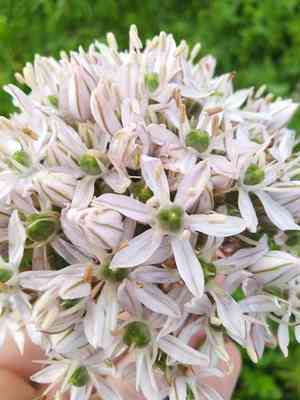
Black garlic, with its globular arrangements of star-like blossoms, introduces a remarkable sophistication to horticultural spaces. Trim spent flower stems to preserve visual appeal and stimulate bulb development. Perform pruning in late summer or autumn once the foliage has died back, which ensures nutrients are redirected into the bulbs for the subsequent growing period. Refrain from cutting green leaves, as they are crucial for replenishing the bulb. Removing spent flowers encourages more robust and vibrant blooms in the subsequent year, enhancing both the decorative quality and overall health of black garlic.
What Are the Benefits of Pruning Black Garlic?
What Are the Benefits of Pruning Black Garlic?
Trimming black garlic promotes more vibrant blossoms and helps sustain robust development. Cutting back can shape the plant, enhancing its look and vitality.
What Is the Best Time for Pruning Black Garlic?
What Is the Best Time for Pruning Black Garlic?
Pruning black garlic during late summer and early autumn is ideal, as the plant finishes its blooming cycle by mid-summer. Pruning within this timeframe ensures the removal of spent flower stalks before black garlic enters dormancy, leading to a tidier appearance and potentially redirecting energy to root and bulb growth. Only cut back foliage after it has yellowed and withered to prevent premature nutrient deprivation essential for bulb development. Avoid spring pruning, as black garlic is actively growing and producing blooms then, which could disrupt flowering and plant vigor.
What Tools Do I Need to Prune Black Garlic?
Bypass Pruners
Perfect for making clean cuts without harming the surrounding stems of black garlic.
Gardening Shears
Best for quickly trimming the foliage of black garlic when necessary.
Pruning Snips
Useful for precise trimming, especially for thin scape or flower removal of black garlic.
Garden Scissors
Gentle on the leaves while shaping or shortening the leaf blades of black garlic.
How to Prune Black Garlic
Clean Tools
Sanitize pruning shears with rubbing alcohol or a bleach solution to prevent the spread of disease to black garlic.
Remove Diseased Leaves
Carefully cut off any diseased leaves at the base where they emerge from black garlic's main stem or bulb, avoiding damage to healthy tissue.
Trim Withered Leaves
Snip withered leaves at their base, ensuring you do not pull on them to avoid harming the bulb of black garlic.
Deadhead Flowers
Cut withered flowers back to the nearest set of leaves or down to the base of black garlic's stem to promote growth and appearance.
Disposal
Dispose of all removed plant material far from black garlic to prevent any potential disease reinfection.
Common Pruning Mistakes with Black Garlic
Over Pruning
Removing too much foliage from black garlic can stress the plant, reducing its vigor and bloom potential.
Improper Cut Location
Cutting too far from or too close to the base of the flower stalks of black garlic may hinder regrowth or cause damage to the plant's base, affecting its longevity.
Using Dull Equipment
Pruning black garlic with dull tools can cause jagged cuts that are more susceptible to infection and do not heal well.
Neglecting To Prune
While black garlic requires minimal pruning, completely neglecting to remove spent flowers or thin overcrowded areas can result in poor air circulation and reduced flowering.
Pruning Green Foliage Early
Removing the green foliage of black garlic too early in the season can deprive the plant of the necessary energy for next season's growth.
Common Pruning Tips for Black Garlic
Disinfect Pruning Tools
Before pruning black garlic, sterilize your tools to prevent the spread of disease between plants.
Sharp Cuts
Use sharp pruning shears for clean, precise cuts that promote quick and healthy healing.
Deadhead Spent Flowers
Remove wilted flowers of black garlic to redirect energy towards the development of new flowers and maintain the plant's appearance.
Thin Out Crowded Areas
Gently thin out overcrowded clumps of black garlic by removing excess growth to improve air circulation and ensure the health of the plant.
Let Foliage Die Back Naturally
Wait for the foliage of black garlic to turn yellow and die back naturally before trimming, allowing the plant to store energy for the next season.



