How to Prune Long-stamen chive?
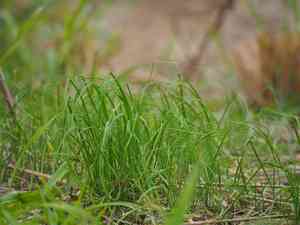
Originating from Eastern Asia, long-stamen chive is a perennial herb recognized for its tendency to form clumps and its suitability for consumption. Trimming entails excising faded flower stems to stimulate fresh development and preserve a neat look. Any withered or discolored foliage ought to be severed at its base. The most favorable periods for pruning are during spring and summer, following the peak of blooming. Consistent trimming boosts the plant's robustness and fosters a plentiful yield of edible leaves and blossoms, thereby guaranteeing the sustained gastronomic desirability of this variety.
What Are the Benefits of Pruning Long-stamen Chive?
What Are the Benefits of Pruning Long-stamen Chive?
Trimming long-stamen Chive promotes robust development and helps maintain its desired form. Regular cutting can result in a fuller, healthier plant, enhancing its aesthetic appeal and vitality.
What Is the Best Time for Pruning Long-stamen Chive?
What Is the Best Time for Pruning Long-stamen Chive?
Pruning from late spring to early summer aligns with long-stamen Chive's post-flowering period. Trimming after blooms fade encourages strong growth and sustains plant health. This timing helps avoid cutting early growth vital for flower development and ensures the plant has ample energy to recover before dormancy. It also allows gardeners to shape long-stamen Chive and remove spent flowers, preventing unwanted self-seeding. Furthermore, it permits pruning wounds to heal before winter's harsher conditions.
What Tools Do I Need to Prune Long-stamen Chive?
Bypass Pruners
Ideal for making clean cuts through the slender stems of long-stamen Chive, bypass pruners minimize tissue damage, promoting quicker healing.
Gardening Shears
The blunt tips of gardening shears are perfect for deadheading long-stamen Chive without harming adjacent stems or leaves, helping maintain plant appearance and health.
Floral Snips
These tools are precise and easy to handle, excellent for thinning dense clumps of long-stamen Chive to improve air circulation and reduce disease risk.
Hand Gloves
Though not a cutting tool, gloves are crucial for protecting the gardener's hands from potential irritants on long-stamen Chive plant surfaces during pruning.
How to Prune Long-stamen Chive
Clean And Prepare
Sanitize pruning tools with rubbing alcohol or a household disinfectant before starting to prevent disease spread to long-stamen Chive.
Remove Diseased Leaves
Carefully cut diseased leaves at their base where they meet the stem or main clump, ensuring a clean cut to avoid damaging healthy tissue of long-stamen Chive.
Trim Withered Leaves
Remove any withered or yellowing leaves from long-stamen Chive by cutting them at the base to encourage healthier growth and improve air circulation.
Cut Diseased Stems
Identify and trim back any diseased stems on long-stamen Chive to healthy tissue, which can help stop disease spread within the plant.
Dispose And Clean Up
After pruning, properly dispose of all removed diseased material away from long-stamen Chive and clean tools again to minimize disease transmission.
Common Pruning Mistakes with Long-stamen Chive
Overpruning
Removing too much foliage from long-stamen Chive at once can stress the plant, reducing its vigor and bloom potential.
Improper Cut Location
Cutting too far above or too close to buds can negatively impact new growth. Leaving too much stub can lead to disease, while cutting too close can damage the bud.
Using Dull Tools
Pruning with dull or dirty tools can cause jagged cuts more prone to infection, harming long-stamen Chive's health.
Neglecting Health Checks
Failing to inspect long-stamen Chive for disease or pest infestations before pruning can result in spreading problems during the process.
Pruning Without Goal
Pruning without understanding long-stamen Chive's natural shape and growth pattern can lead to aesthetically unpleasing or unhealthy outcomes.
Common Pruning Tips for Long-stamen Chive
Clean Cuts
Use sharp and clean pruners to make precise cuts that heal quickly and minimize stress on long-stamen Chive.
Cut Angled Downward
Ensure cuts are angled downward to prevent water accumulation, which can cause rot and disease.
Remove Dead Material
Regularly remove dead, diseased, or damaged foliage to encourage long-stamen Chive to produce robust, healthy growth and blooms.
Thinning Out
Thin out crowded areas to increase air circulation, which helps prevent fungal diseases, ensuring long-stamen Chive remains vibrant and healthy.
Follow Growth Pattern
Prune with long-stamen Chive's natural form and growth habit in mind, aiming to enhance its structure without altering its innate shape.



