How to Prune Welsh onion?
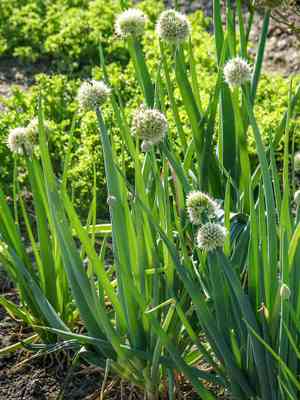
This enduring herbaceous species, recognized for its tubular green foliage and white bulb formation, flourishes in temperate environments and is versatile in numerous gastronomic preparations. To ensure peak welsh onion vitality, eliminate withered leaves to encourage fresh development, and trim flower stems unless seed collection is intended. Perform trimming in spring or summer to sculpt the plants and manage their dimensions. Consistent trimming guarantees a steady provision of delicate leaves, averts excessive density, and enhances air circulation, thereby diminishing the likelihood of ailments.
Advantages of Trimming Welsh Onion
Advantages of Trimming Welsh Onion
Trimming welsh onion encourages robust development by eliminating old or crowded shoots, which improves air circulation and light penetration. It helps maintain the plant's form for a neat look and optimal vitality.
Optimal Period for Pruning Welsh Onion
Optimal Period for Pruning Welsh Onion
Pruning or trimming welsh onion during Spring is ideal due to the plant's emergence from dormancy and the beginning of active growth, which allows it to recover quickly from pruning and capitalize on the growing season for lush foliage. Early Summer pruning, before the onset of high summer heat, ensures that welsh onion has time to heal from cuts and minimizes stress, as the plant is not yet expending energy on flowering or setting seeds. Trimming in these seasons encourages a compact, bushy growth habit and allows gardeners to remove any damaged or dead foliage that has occurred over the winter, improving the overall health and vigor of welsh onion.
Necessary Tools for Pruning Welsh Onion
Sharp Scissors or Snips
These precise cutting implements are perfect for trimming the slender, hollow-like leaves of welsh onion without crushing them. Ensure the scissors or snips are designed for garden use and have blades sharp enough for clean cuts, which is vital for plant health and preventing disease transmission.
Hand Pruner (Bypass Type)
A bypass hand pruner is suitable for cutting through any thicker base stems that may have become woody or tough. The bypass action creates a clean cut, similar to scissors, which is less likely to harm the stems of welsh onion.
Gardening Shears
For larger clusters or a quicker harvest, gardening shears are appropriate. They enable multiple stalks of welsh onion to be cut simultaneously, cleanly and efficiently.
Cleaning Cloth and Alcohol Solution
To maintain tool hygiene and prevent disease spread, a cleaning cloth and an alcohol solution are recommended for wiping down blades after use.
Gloves
While not a pruning tool itself, gloves protect the gardener's hands from cuts or scrapes during the pruning process and should be considered part of the essential toolkit.
How to Prune Welsh Onion
Disinfect
Before beginning, sanitize all cutting tools with rubbing alcohol or a bleach solution to prevent disease transmission to welsh onion.
Remove Diseased Leaves
Identify and carefully remove any diseased leaves from welsh onion by cutting them at their base where they emerge from the green stem, using sharp scissors or pruning shears.
Trim Withered Leaves
Trim back withered or dead leaves of welsh onion in the same manner, cutting at the base to encourage healthy new growth and improve air circulation.
Eliminate Diseased Stems
Cut back any diseased stems of welsh onion to the point of healthy tissue, ensuring a clean cut that doesn't leave stubs which can become entry points for pests or diseases.
Cleanup
After pruning welsh onion, clear all removed foliage and stems from the area to prevent any disease from spreading in the garden.
Common Pruning Errors with Welsh Onion
Overpruning
Removing too much foliage from welsh onion at once can stress the plant and hinder its growth. It is crucial to prune no more than one-third of the plant to maintain its health.
Improper Cuts
Making cuts too close to the bulb or leaving a large stub above the soil line can invite pests and diseases. Careful cutting where the leaf meets the soil helps prevent damage.
Ignoring Plant Health
Pruning welsh onion without assessing its health can lead to poor results. It's important to remove only the parts that are necessary, such as dead or yellowing leaves, to promote a healthy plant.
Indiscriminate Cutting
Randomly cutting leaves without a strategy may lead to uneven growth and a less aesthetically pleasing welsh onion. It's important to cut with intention for both plant health and visual appeal.
Tool Neglect
Using dull or dirty pruning tools can damage welsh onion's leaves and introduce diseases. Clean, sharp tools are essential for clean cuts and minimizing harm.
General Pruning Advice for Welsh Onion
Moderate Pruning
Prune welsh onion moderately to stimulate growth. Focus on removing older outer leaves, allowing the younger, inner foliage to flourish.
Consistent Maintenance
Regularly remove any yellowing or dead leaves from welsh onion to maintain plant health and aesthetics. This routine care encourages productive growth and prevents disease spread.
Precise Cutting
When pruning welsh onion, make clean cuts where the leaf meets the soil. This promotes faster healing of the cuts and prevents damage to the main bulb.
Disinfect Tools
Always use disinfected and sharp shears or scissors when pruning welsh onion to prevent the spread of disease and ensure clean cuts for healthy regrowth.
Post-Pruning Care
After pruning welsh onion, provide adequate water and, if necessary, a balanced fertilizer to support recovery and new growth without overstimulating it.



