How to Prune Channelled water-plantain?
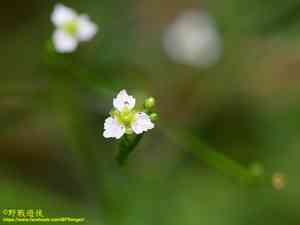
A persistent aquatic or semi-aquatic plant, channelled water-plantain thrives with judicious trimming to eliminate deceased or discolored leaves and foster vigorous development. Trim channelled water-plantain during the spring and summer seasons, removing faded blooms and foliage. Consistent trimming deters excessive growth, preserves an appealing form, and stimulates robust new leaves. Make cuts just above a leaf joint or cluster when pruning, being careful not to harm emerging sprouts. This method improves channelled water-plantain's aesthetic quality and aids its developmental progression.
What Are the Benefits of Pruning Channelled Water-plantain?
What Are the Benefits of Pruning Channelled Water-plantain?
Trimming channelled water-plantain is crucial for maintaining its vitality and structure. Strategic cuts promote stronger, more vigorous development and help keep the plant's form tidy and compact, thereby ensuring optimal health and visual appeal.
What Is the Best Time for Pruning Channelled Water-plantain?
What Is the Best Time for Pruning Channelled Water-plantain?
Pruning channelled water-plantain during spring and early summer coincides with the onset of its active growth phase, encouraging robust development and ensuring rapid healing of cuts, thus minimizing disease or pest entry. Cutting back channelled water-plantain in spring, prior to new growth, stimulates the emergence of strong, new shoots and preserves the plant's shape. Early summer trimming, following initial spring growth, can help manage size and prevent excessive growth, which is particularly important for aquatic plants like channelled water-plantain in maintaining open water areas and ensuring they don't overshadow other aquatic flora. These periods avoid the stress of cutting during dormancy in fall and winter, as well as the risk of removing potential flowers or seeds if pruned too late in summer.
What Tools Do I Need to Prune Channelled Water-plantain?
Hand Pruners
Perfect for making precise cuts on channelled water-plantain, as its delicate stems require careful handling to prevent unnecessary harm.
Garden Scissors
Suitable for snipping soft, non-woody stems and leaves of channelled water-plantain, typical of aquatic plant species.
Long-Handled Loppers
These can be useful if channelled water-plantain is located in deeper water and the gardener needs extended reach to avoid entering the water; loppers offer precision from a distance.
How to Prune Channelled Water-plantain
Clean tools
Before starting the pruning process on channelled water-plantain, ensure your pruning shears or scissors are clean and sharp to prevent disease spread and guarantee clean cuts.
Identify diseased parts
Locate and inspect channelled water-plantain for any diseased leaves and stems. Look for signs of discoloration, spots, or decay that indicate unhealthy plant tissue.
Remove diseased leaves
Using your clean shears, carefully trim away the diseased leaves from channelled water-plantain. Make cuts close to the leaf's base to remove as much affected area as possible without harming healthy parts.
Remove diseased stems
Prune any diseased stems on channelled water-plantain by cutting them back to healthy tissue. If the entire stem is affected, cut it back to the plant's base to prevent further disease spread.
Prune withered leaves
Finally, tidy up channelled water-plantain by trimming off any withered or dead leaves. These are usually easy to spot and should be removed to maintain the plant's health and appearance.
Common Pruning Mistakes with Channelled Water-plantain
Over-pruning
New gardeners might think more pruning is better, but pruning channelled water-plantain too aggressively can stress the plant and hinder its ability to thrive. The plant needs enough foliage for photosynthesis and to maintain its health.
Improper cut locations
Cutting too far from a node or leaving too large a stub can prevent channelled water-plantain from healing properly and make it susceptible to disease. Conversely, cutting too close to the node can damage the bud and impede new growth.
Using dull tools
Dull pruning tools can create jagged cuts that are difficult for channelled water-plantain to heal. This makes the plant vulnerable to pests and diseases. Sharp, clean tools are essential for making clean cuts.
Pruning without disinfecting
Using tools that haven't been disinfected can introduce pathogens to channelled water-plantain. Disinfecting tools before each use helps prevent the spread of disease.
Neglecting dead or diseased material
Failing to remove dead or diseased material can compromise the health of channelled water-plantain by allowing disease to spread or pests to take hold. Regular inspection and removal of such materials are important.
Common Pruning Tips for Channelled Water-plantain
Identify growth points
Understanding where channelled water-plantain develops new shoots or leaves is crucial. Prune just above growth points to encourage branching and dense growth, without stunting the plant's development.
Moderate pruning
Prune channelled water-plantain moderately to shape the plant and encourage new growth. This involves carefully removing selected parts of the plant, such as damaged leaves or overgrown sections, without removing too much.
Sharpening pruning tools
Always use sharp, clean tools to make precise cuts that channelled water-plantain can heal effectively, promoting healthy regrowth. This reduces the risk of creating entry points for diseases.
Disinfecting tools
Disinfect tools before and after pruning channelled water-plantain to avoid transmitting diseases between plants. Alcohol or a 10% bleach solution can be effective for sterilization.
Timing successional pruning
Instead of one severe pruning session, successive light prunings over time can be more beneficial for channelled water-plantain. This approach minimizes stress and allows channelled water-plantain to recover more quickly.



