How to Prune Rough century plant?
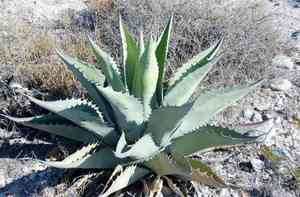
Originating from harsh environments, Agave americana is recognized for its substantial clusters of robust, pointed foliage. Trim away deceased or injured leaves at their base with sanitized, keen implements. The most effective time for trimming is in late winter or early spring, prior to the emergence of new shoots. Consistent elimination of faded flower stems fosters development and preserves aesthetic appeal. Trimming is vital for managing dimensions, enhancing well-being, and averting potential dangers from sharp leaf extremities.
What Are the Benefits of Pruning Rough Century Plant?
What Are the Benefits of Pruning Rough Century Plant?
Trimming rough century plant ensures a compact shape, fostering robust development. This action eliminates dead or overgrown branches, promoting a more controlled and visually appealing form while supporting the plant's overall well-being.
What Is the Best Time for Pruning Rough Century Plant?
What Is the Best Time for Pruning Rough Century Plant?
Trimming rough century plant from late winter to early spring coincides with the end of its dormant phase, a period of minimal growth. This timing allows gardeners to shape the plant and remove any dead or damaged foliage before new growth emerges with warmer temperatures. Pruning at this point minimizes stress on rough century plant and helps prevent potential disease infection through fresh cuts. Additionally, since rough century plant is not actively growing, sap loss is reduced, lessening the energy drain on the plant. The chosen seasons also avoid rough century plant's flowering period, ensuring that pruning does not negatively impact its reproductive cycle.
What Tools Do I Need to Prune Rough Century Plant?
Long-handled loppers
To safely reach and trim leaf bases or remove flower stalks without getting too close to sharp leaf tips.
Thick gloves
To protect hands from the rough and potentially irritating leaf edges while trimming rough century plant.
Eye protection
To shield eyes from any accidental sap splashes or debris.
Pruning saw
For cutting through thicker flower stalks or when managing larger, more mature plants.
Sharp bypass pruners
For precise cuts on smaller growths and to prevent crushing or damaging rough century plant's tissues.
How to Prune Rough Century Plant
Preparation
Don durable gloves and protective eyewear to guard against rough century plant's spiky leaves and use clean, sharp tools like pruning shears or a sharp knife.
Disinfect Tools
Before trimming, sanitize your tools with a solution of 1 part bleach to 9 parts water to prevent disease spread to rough century plant.
Remove Withered Leaves
Carefully cut away withered leaves at their base, where they meet the stem, making a clean cut without harming rough century plant's remaining healthy leaves.
Cut Diseased Leaves
Identify and remove diseased leaves by cutting them back to the base in a similar fashion, ensuring no stubs are left that could harbor pests or diseases in rough century plant.
Disposal
Properly dispose of removed leaves, away from healthy plants, to prevent any potential disease spread to rough century plant or other plants.
Common Pruning Mistakes with Rough Century Plant
Overpruning
Removing too much foliage from rough century plant can stress it, leading to stunted growth or weakened defenses against pests and diseases.
Improper Tool Use
Using dull or dirty pruning tools can damage rough century plant's tough leaves, creating jagged edges that make the plant more susceptible to disease.
Unnecessary Cutting
Trimming rough century plant without a clear objective can result in accidental removal of vital parts essential for its growth and health.
Ignoring Plant Architecture
Not considering rough century plant's natural shape and growth pattern during trimming can lead to an unbalanced and aesthetically unpleasing appearance.
Incorrect Disposal
Failing to properly dispose of removed material can spread pathogens and pests. Rough century plant's sharp foliage should be handled and discarded with care.
Common Pruning Tips for Rough Century Plant
Proper Technique
When cutting rough century plant, make clean cuts close to the leaf base to avoid leaving stubs that can rot and attract pests.
Protective Gear
Always wear thick gloves and long sleeves to protect against rough century plant's serrated leaf margins and sharp tips.
Tool Maintenance
Ensure pruning tools are sharp and sterilized before use to make clean cuts and prevent disease spread among plants.
Healthy Growth
Target only dead or damaged leaves for removal to encourage rough century plant's energy to be directed toward new, healthy growth.
Pest Inspection
Regularly inspect rough century plant during trimming for signs of pests or disease, which should be treated immediately to maintain plant health.



