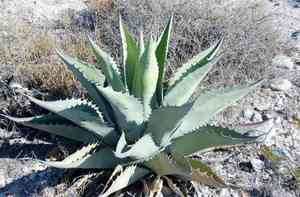
Rough century plant (Agave asperrima)
Also known as: Rough Agave, Agave scabra
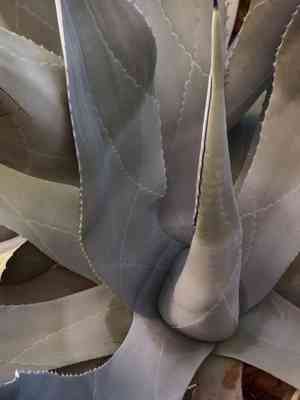
The Agave plant is a succulent known for its rigid, upright leaves that feature sharp spines along the edges and tips, giving it a robust look. Ideal for arid environments, its rosette-shaped foliage helps in water conservation, allowing it to thrive in drought conditions. The bluish-green leaves reflect sunlight, and its deep root system efficiently taps into scarce water resources.
In This Article
Attributes of Rough century plant
Lifespan
Perennial
Plant Type
Succulent
Plant Height
1 m
Spread
1.5 m
Leaf Color
Grayish-green
Flower Size
10-15 cm
Flower Color
Yellow to greenish-yellow
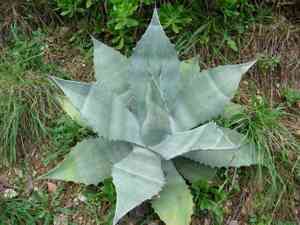
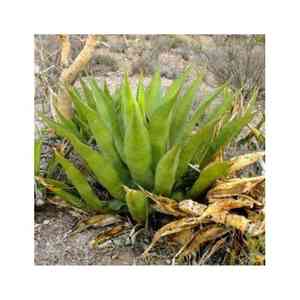
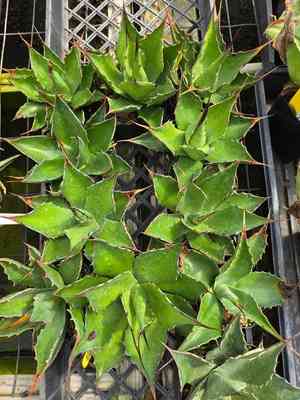
Images of Rough century plant
Quickly Identify Rough century plant
1
Distinct tapering leaves with dark brown spines and prominent teeth.
2
Rough-textured blue-gray leaves reaching 3 feet (0.9 m) long and 4 to 6 inches (10 to 15 cm) wide.
3
Rare towering spike of bright yellow flowers reaching 15 to 20 feet (4.6 to 6.1 m) tall.
4
Main flowering rosette succumbs post-bloom, but new offshoots arise from the base.
5
Attracts nectar-feeding birds with its appealing bright yellow flowers.
Scientific Classification of Rough century plant
Phylum
Vascular plants
Class
Monocotyledons
Order
Asparagales
Family
Asparagus
Genus
Agaves
Species
Rough century plant
Planting and Growing of Rough century plant
Care Difficulty
Moderate
Watering Schedule
Every 2 days
Sunlight Requirements
Full sun
Sunshine Duration
4-6 hours
Ideal Temperature
65-75℉
Soil Type
Potting Mix, Peat Mix
Soil pH
6.5-7.5
Fertilizer Type
Balanced
Pruning Season
Spring, Summer
Pruning Area
Branches, Leaves
Pruning Frequency
2 times a year
Repotting Season
Spring
Pot Type
Plastic, Ceramic
 How to Water Rough century plant?
Agave asperrima requires a careful balance when it comes to watering. Water thoroughly, ensuring the soil is moist but not soggy. Typically, saturating the soil with about 250 milliliters of water each time is sufficient, allowing water to reach the roots without drowning them.
What are the symptoms of an underwatered Rough century plant?
›
What should I do if my Rough century plant is not getting enough water?
›
What are the symptoms of an overwatered Rough century plant?
›
How to save an overwatered Rough century plant?
›
 What Are the Sunlight Requirements for Rough century plant?
Agave asperrima thrives best in full sun conditions. This full exposure aids in maintaining its robust form and encourages healthy, vigorous growth, essential for its survival and aesthetic appeal.
What is the ideal sunlight exposure?
›
How can you ensure the plant gets ideal light?
›
What are the benefits of ideal sunlight for Agave asperrima?
›
 What Is the Ideal Temperature Range for Rough century plant?
For optimal growth, Agave asperrima thrives within the temperature range of 65°F to 75°F. This range allows the plant to perform its physiological processes effectively, including photosynthesis and nutrient uptake. Maintaining this temperature range ensures the plant remains healthy and grows steadily.
 What Soil is Best for Rough century plant?
Agave asperrima thrives in well-drained soils where moisture doesn't linger. Effective drainage prevents root rot, a common threat to this desert dweller, thus ensuring healthy growth and longevity. This plant is adapted to grow in soils with low nutrient content. Rich soils can induce excessive growth, making the plant susceptible to pests and diseases. A lean soil mimics its natural habitat, fostering optimal health. Incorporating gravel or coarse sand into the soil emulates its native rocky terrains. This texture aids drainage while providing adequate substrate stability, mimicking the natural circumstances where Agave asperrima flourishes.
 How to Fertilize Rough century plant?
For Agave asperrima, it's essential to use a balanced fertilizer with low nitrogen content. Typically, use about one tablespoon of liquid fertilizer per gallon of water when applying once every two weeks. For slow-release granules, distribute evenly around the soil, ensuring the granules cover about the same area as the plant's width.
 How to Prune Rough century plant?
Agave asperrima features sharp, pointed leaves with spines that can cause injury if not handled carefully. Always wear thick gloves and protective eyewear before initiating the pruning process. Ensure that your workspace is clear of unnecessary objects to avoid accidents. Make calm, deliberate cuts to avoid jarring the plant, which could cause more damage and hinder its growth. These precautions not only safeguard your health but also ensure a stress-free pruning experience for both you and the plant.
More About Pruning Techniques→
 How to Propagate Rough century plant plant?
1
Start by soaking agave seeds in warm water for 24 hours to enhance germination. After soaking, spread the seeds evenly in a seed tray filled with cactus mix soil.
2
If propagating by division, gently remove the agave plant from its pot and carefully shake off excess soil. Use a sharp knife to separate offsets from the parent plant.
3
Replant the separated offsets into their individual pots filled with well-draining soil. Ensure the root system is securely planted, and water sparingly to enable acclimatization.
 How to Repot Rough century plant plant?
1
Agave asperrima typically requires repotting when it becomes root-bound, which means its roots are filling the pot and slowing growth. Also, if the soil drains poorly, it's time to choose a new home. Spring or summer, during active growth, is ideal for repotting, allowing the plant to recover swiftly.
2
Select a pot that is slightly larger than the current one, with excellent drainage holes to prevent waterlogging. The pot material, whether clay or plastic, should fit your watering habits; clay dries out faster, helping prevent overwatering—crucial for agaves, which prefer dry feet.
3
Opt for a soil mix specialized for cacti or succulents, as these ensure sharp drainage. The ideal mix might include sand, perlite, and light compost. The benefit lies in its ability to dry quickly, mimicking the agave's native arid landscape, and preventing root rot.
Toxicity
Ingestion, Skin contact
WARNING
The judgment on toxicity and danger is for reference only. We DO NOT GUARANTEE any accuracy of such judgment. Therefore, you SHALL NOT rely on such judgment. It is IMPORTANT TO SEEK PROFESSIONAL ADVICE in advance when necessary.



