How to Prune African-lily?
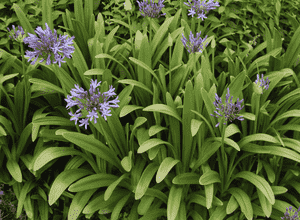
Distinguished by its clusters of bell-shaped blue or white blossoms, african-lily flourishes with infrequent trimming. Remove faded flowers to encourage additional blooming and eliminate any impaired or ailing leaves when necessary. Following the flowering period, cut back the flower stems to preserve the plant's form. The most effective pruning takes place after blooming, fostering revitalization without impacting future flowers. Pruning aids african-lily by improving its aesthetic and averting energy expenditure on seed development.
Advantages of Trimming African-lily
Advantages of Trimming African-lily
Trimming african-lily promotes more abundant flowering, stimulates vigorous development, and maintains a desired shape, ensuring the plant remains visually appealing and fits its designated garden area.
Optimal Time for Trimming African-lily
Optimal Time for Trimming African-lily
During late winter or early spring, african-lily is in a dormant state, preceding its most active growth phase. Pruning at this time minimizes plant stress, allowing for strong spring and summer growth. It also offers the chance to shape the plant and remove any frost-damaged tips before new growth begins, fostering healthy development and plentiful blooms.
Tools Required for Trimming African-lily
Bypass Pruners
Perfect for making clean cuts on live stems of african-lily, which ensures healthier regrowth and lowers disease risk.
Pruning Shears
Suitable for removing faded flower stalks and trimming minor overgrowth to maintain the form and size of african-lily.
Long-handled Loppers
Useful for reaching into thick foliage clusters to trim old flower stalks and to cut thicker stems within african-lily clumps, while minimizing harm to surrounding vegetation.
Gardening Gloves
Essential for protecting hands from sharp edges and sap when handling and pruning african-lily, ensuring a safer gardening experience.
Garden Waste Bags
Necessary for proper disposal of pruned material to keep the african-lily bed tidy and reduce disease risk.
How to Trim African-lily
Step1: Inspecting Plant for Pruning Areas
Examine african-lily for any dead, faded, or withered sections that need trimming.
Step2: Preparing Sterile Pruning Tools
Use clean, sharp pruning shears to prevent damage or disease. Sterilize the shears with rubbing alcohol or a bleach solution before and after pruning tasks.
Step3: Pruning Dead Flower Stalks
To remove dead flowers, locate the flower stalk that has finished blooming. Cut the stalk at its base, where it emerges from the foliage, making a clean cut at a 45-degree angle to prevent water accumulation.
Step4: Trimming Spent Flowers for Energy Redistribution
For faded flowers still attached, cut the flower stalk just above the first healthy leaf. This allows african-lily to redirect energy into growth and next season's blooms.
Step5: Cutting Back Withered Stems
Identify withered stems that may have turned brown or brittle. Prune these stems back to the base, as close to the ground as possible, ensuring you do not harm new growth.
Step6: Disposing of Pruned Plant Material
Properly dispose of all trimmed material to reduce the risk of disease and pests. Either compost if suitable, or discard in green waste.
Step7: Nourishing Plant Post-Pruning
After pruning, provide african-lily with sufficient water and a balanced fertilizer to encourage new growth and flowering in the next season. Avoid excessive fertilization, which can lead to more foliage growth at the expense of blooms.
Step8: Monitoring Plant Health Post-Pruning
Regularly monitor african-lily for any signs of pests or diseases that can sometimes follow pruning activities, acting promptly if any issues arise.
Step9: Timing Pruning After Blooming Season
Prune african-lily immediately after the blooming season to promote plant health and ensure a robust bloom in the next growing season. Avoid pruning in late fall or winter, as the plant is preparing for dormancy.
Post-Trimming Care for African-lily
Post-Trimming Care for African-lily
After trimming african-lily, immediately water the plant to reduce stress and aid healing. Maintain a bright, indirect light environment and stable temperatures to prevent shock. Humidity should be moderate, not too high to prevent rot. Apply a balanced, slow-release fertilizer to support regrowth, avoiding excess nitrogen that can harm tender shoots. Regularly check trimmed areas for infection signs. At any disease indication, use appropriate fungicides and reduce watering to prevent spread. Follow these steps for african-lily's robust recovery and growth.
Common Trimming Errors with African-lily
Excessive foliage removal stresses plants
Removing too much foliage which can stress african-lily and lead to poor growth and fewer blooms.
Damaging plant structure by cutting dense crowns or rhizomes
Cutting into the dense crowns or rhizomes, potentially damaging the plant's structure and health.
Prematurely pruning flower stalks, hindering seed pod development
Pruning all flower stalks before they have the chance to develop seed pods, which can be desirable for their decorative appearance post-flowering.
General Trimming Advice for African-lily
Use clean, sharp tools for healthy, precise cuts
Use clean, sharp tools to make precise cuts, which helps prevent disease and promotes quicker healing.
Remove only spent stalks, encouraging growth and future blooms
Remove only the spent flower stalks down to the base to promote more vigorous growth and encourage future blooms.
Regularly deadhead to enhance aesthetics and promote new growth
Regularly deadhead spent blooms throughout the flowering season to maintain the aesthetics of african-lily and to divert energy to new growth.



