How to Prune Chinese horse chestnut?
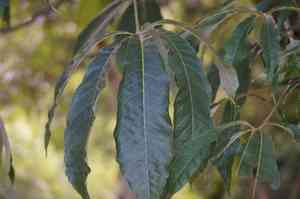
Renowned for its appealing leaves and prominent seeds, chinese horse chestnut flourishes with appropriate attention. Perform pruning in late winter or early spring prior to foliage emergence. Reduction cuts enhance light penetration and air movement, fostering vigorous well-being. Eliminate deceased, injured, or intersecting limbs to stimulate powerful development. Trimming additionally preserves a preferred form and averts potential dangers. The period of the year and deliberate cuts ensure chinese horse chestnut's decorative appeal and extended lifespan.
Advantages of Trimming Chinese Horse Chestnut
Advantages of Trimming Chinese Horse Chestnut
Trimming chinese horse chestnut promotes robust development and maintains its desired form. Regular removal of lifeless or weak limbs enhances plant vitality and appearance, while strategic cutting back can improve light penetration and air flow, resulting in a stronger, more resilient specimen.
Optimal Period for Pruning Chinese Horse Chestnut
Optimal Period for Pruning Chinese Horse Chestnut?
For chinese horse chestnut, the ideal pruning periods are late winter and early spring. This timing is beneficial because the plant is typically inactive, reducing stress and minimizing sap flow. Pruning during dormancy encourages vigorous growth in the subsequent season and allows wounds to heal before new growth begins. Additionally, the absence of leaves during these seasons offers better visibility for gardeners to make precise cuts and effectively shape the plant. Late winter pruning helps prevent the spread of diseases and potential pest infestations that are more active in warmer months.
Necessary Tools for Pruning Chinese Horse Chestnut
Hand Pruners
Perfect for trimming smaller branches (up to 3/4 inch in diameter) of chinese horse chestnut. Suitable for shaping and eliminating dead or damaged wood without harming the healthy parts.
Loppers
Excellent for cutting larger branches (up to 2 inches in diameter) that hand pruners cannot manage. The long handles provide leverage and can reach into denser areas of chinese horse chestnut.
Pruning Saw
Used for removing even larger branches exceeding 2 inches in diameter. Saws are vital for making clean cuts on mature chinese horse chestnut trees without damaging the bark or causing undue stress to the tree.
Pole Pruner
A pole pruner is essential for reaching higher branches of chinese horse chestnut without needing a ladder. It combines a saw and a lopper on an extendable pole, ensuring safe and efficient pruning.
How to Prune Chinese Horse Chestnut
Sterilize
Sanitize pruning tools with a solution of one part bleach to nine parts water to prevent disease transmission.
Identify
Inspect chinese horse chestnut for dead or diseased branches. Dead branches will be brittle and break easily, while diseased branches may show discolored bark or leaves.
Cut
Make clean cuts on dead or diseased branches using sharp pruning shears or a pruning saw. Cut the branch just above a healthy bud or another branch.
Dispose
Remove pruned branches from the area to prevent the potential spread of disease and pests. Dispose of them properly according to local guidelines.
Heal
Allow chinese horse chestnut to heal naturally without applying wound dressings, as these can hinder the natural healing process and promote disease.
Common Pruning Errors with Chinese Horse Chestnut
Over-pruning
Removing too much foliage at once can stress chinese horse chestnut, potentially leading to stunted growth or disease susceptibility.
Improper cutting technique
Incorrect cuts can damage the bark or create stubs that lead to pest infestation or disease in chinese horse chestnut.
Pruning healthy growth
Unnecessarily cutting away healthy branches can reduce flowering potential and the overall aesthetic of chinese horse chestnut.
Neglecting tool hygiene
Using dirty or contaminated tools can introduce diseases to chinese horse chestnut, which may impede its health and vitality.
General Pruning Advice for Chinese Horse Chestnut
Clean sharp tools
Use sanitized, sharp tools to make clean cuts that heal quickly, reducing the risk of disease in chinese horse chestnut.
Selective pruning
Focus on removing dead, damaged, or diseased branches to improve air circulation and light penetration, promoting the health of chinese horse chestnut.
Angle and position
Cut branches at a 45-degree angle just above a bud facing the outside of the plant to promote outward growth of chinese horse chestnut.
Gradual process
Prune gradually over several seasons if significant shaping is needed to avoid shocking chinese horse chestnut.
Post-flowering maintenance
After chinese horse chestnut has finished blooming, remove spent flower clusters to encourage more blooms in the following season.



