How to Prune Japanese sweet flag?
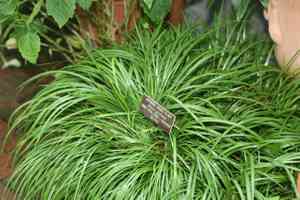
This enduring, semi-aquatic, grass-like botanical specimen is prized for its pleasant fragrance and vivid green leaves. For japanese sweet flag, removing withered or discolored foliage preserves its visual charm and stimulates robust development. Perform pruning on japanese sweet flag in the latter part of winter or early spring, prior to the emergence of new shoots. This schedule enables cultivators to sculpt the plant and control its expansion without compromising its vigor. Consistent trimming can enhance air movement, deter illnesses, and foster more compact, energetic growth habits.
What Are the Benefits of Pruning Japanese Sweet Flag?
What Are the Benefits of Pruning Japanese Sweet Flag?
Trimming japanese sweet flag promotes robust development and maintains its desired form. This action helps revitalize the plant by eliminating old or overgrown leaves, which in turn stimulates the growth of fresh, healthy stems and foliage.
What Is the Best Time for Pruning Japanese Sweet Flag?
What Is the Best Time for Pruning Japanese Sweet Flag?
The optimal periods for trimming japanese sweet flag are Late winter and Early spring. These times are considered ideal because they occur before japanese sweet flag's active growth phase, which typically starts in spring and continues through summer. Pruning during Late winter, while the plant is still dormant, reduces stress and allows the plant to recover quickly as rising temperatures trigger new growth. It ensures that any cuts have healed and that the plantâs energy is directed towards the development of healthy new foliage and roots. Early spring pruning is also advantageous as it helps shape the plant before it enters its full growth period, removes any winter damage, and encourages a lush, dense growth habit for the upcoming season. Pruning after new growth has begun in late spring or summer can remove developing leaves and stems, diminishing the plant's vigor and aesthetic appeal.
What Tools Do I Need to Prune Japanese Sweet Flag?
Sharp Scissors or Snips
Perfect for the delicate, grass-like leaves of japanese sweet flag, where precise cuts are needed to preserve the plant's visual appeal.
Hand Pruners
Useful for cutting thicker, more robust roots or stems if japanese sweet flag needs division or removal of dead material, ensuring a clean cut for healthy regrowth.
Gardening Gloves
Protects hands when handling japanese sweet flag, as repeated contact can cause skin irritation for sensitive individuals.
Garden Shears
Beneficial for uniformly trimming larger clumps of japanese sweet flag, especially when shaping is desired or when managing numerous plants.
Waste Container
To collect clippings of japanese sweet flag immediately during pruning, contributing to a tidy workspace and simplifying cleanup.
How to Prune Japanese Sweet Flag
Clean Tools
Sanitize pruning shears or scissors with a solution of one part bleach to nine parts water before trimming japanese sweet flag to prevent disease spread.
Identify
Examine japanese sweet flag for diseased and withered leaves by looking for any discoloration, deformities, or signs of wilting and decay.
Cut Diseased
Carefully remove any diseased leaves at the base of the stem, making clean cuts to avoid tearing and minimize harm to the healthy parts of japanese sweet flag.
Cut Withered
Trim off withered leaves at the stem's base to improve air circulation and the overall aesthetic of japanese sweet flag. This helps direct the plant's energy towards healthy growth.
Dispose
Discard the removed diseased and withered leaves away from healthy plants to prevent the potential spread of pathogens to other parts of japanese sweet flag or other plants.
Common Pruning Mistakes with Japanese Sweet Flag
Over Pruning
Removing too much foliage from japanese sweet flag can weaken the plant, disrupt its natural shape, and potentially cause stress that hinders its growth.
Improper Cutting Technique
Using dull or unclean tools can damage japanese sweet flag's stems, creating jagged cuts that are more susceptible to disease and pests.
Not Pruning Dead Or Diseased Foliage
Failing to remove dead or diseased leaves can prevent japanese sweet flag from directing its energy to healthy growth and may invite further disease or pest issues.
Pruning Into The Crown
Cutting into the crown or base of japanese sweet flag can harm the plant. Proper pruning involves trimming foliage without damaging the crown or the rhizome from which it grows.
Pruning At Wrong Time
Although this instruction excludes the season, pruning at inappropriate times during japanese sweet flag's growth cycle can prevent blooming, limit growth or even result in plant death.
Ignoring Plant Shape
Disregarding the natural shape and growth pattern of japanese sweet flag when pruning can result in an aesthetically unpleasing appearance and impact the plant's health.
Common Pruning Tips for Japanese Sweet Flag
Use Sharp Tools
Ensure that the tools used are sharp and clean to make precise cuts that heal quickly, minimizing damage to japanese sweet flag.
Cut Above Leaf Junctions
When shortening stems, cut just above leaf junctions or nodes. This encourages japanese sweet flag to branch out and become fuller.
Prune Damaged Foliage
Regularly removing any brown or yellow leaves, as well as any other visibly damaged or diseased foliage, helps to maintain the health and appearance of japanese sweet flag.
Gradual Pruning
Prune japanese sweet flag gradually rather than all at once. Removing a third of foliage, at most, in any one session helps prevent plant shock.
Sanitize Pruning Tools
Disinfect pruning tools before and after use to prevent the spread of diseases between plants or persistent infections within japanese sweet flag.
Follow Natural Growth Pattern
Prune in a way that maintains japanese sweet flag's natural form. Observing where and how japanese sweet flag grows can be a guide to where cuts should be made.



