How to Prune Prairie acacia?
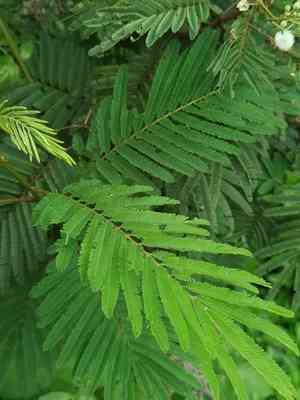
Originating from North America, prairie acacia is a deciduous bush featuring delicate leaves that requires infrequent trimming. Essential methods involve reducing older limbs to stimulate fresh development. Performing pruning in late spring, following the blooming period, optimizes the plant's well-being and flowering. To manage its dimensions, prune during summer, refraining from late-season cuts to avert delicate shoots susceptible to freezing temperatures. Consistent elimination of impaired or ailing wood enhances the plant's general vigor, promoting a sturdier framework and improved air circulation.
Advantages of Trimming Prairie Acacia
Advantages of Trimming Prairie Acacia
Trimming prairie acacia promotes robust growth and helps maintain its desired shape. Strategic cutting encourages new, healthy shoots and keeps the plant compact and well-structured.
Optimal Time for Pruning Prairie Acacia
Optimal Time for Pruning Prairie Acacia
Pruning in late Spring ensures the removal of winter damage before new growth begins. Early Summer pruning is also beneficial, occurring after prairie acacia's blooming cycle, which reduces plant stress and encourages healthier flowers next season. During these periods, the plant has ample time to recover and produce new growth before winter dormancy. Pruning during active growth allows for quick healing and minimizes disease or pest risks. Additionally, trimming at these times enables gardeners to shape prairie acacia more effectively, fostering a controlled and desirable growth pattern.
Tools Required for Pruning Prairie Acacia
Hand Pruners
These are crucial for precise cuts on prairie acacia's smaller branches and twigs. As prairie acacia is not a large tree, hand pruners offer the necessary control and should be bypass type for clean cuts, vital for plant health.
Lopping Shears
For slightly thicker branches that hand pruners cannot manage, lopping shears are suitable. These allow gardeners to cut branches up to 1.5 inches in diameter, typical for prairie acacia's growth.
Pruning Saw
For prairie acacia's thickest branches, beyond lopping shears' capacity, a pruning saw is essential. It enables gardeners to make clean cuts without straining or damaging branches.
Gloves
Protection is vital when handling prairie acacia. Gloves will shield the gardener's hands from thorns and rough bark.
Pruning Sealer
After significant cuts, sealing wounds can aid prairie acacia's recovery and prevent disease. This is particularly useful if pruning occurs during more vulnerable seasons.
How to Prune Prairie Acacia
Removal
Identify and eliminate any diseased leaves from prairie acacia, using clean, sharp pruning shears. Sterilize shears with rubbing alcohol before and after to prevent disease spread.
Thinning
Thin out prairie acacia by selectively pruning withered leaves. This improves air circulation and light penetration to remaining foliage. Clip them carefully at their base without harming new growth or stems.
Cleaning
Locate diseased stems on prairie acacia and cut them back to healthy wood. Make cuts at a slight angle just above a node or lateral branch, avoiding stubs that attract pests or disease.
Shape
Gently shape prairie acacia if needed, trimming lightly around edges to maintain its natural form. Be careful not to over-prune, as this can stress the plant and reduce its vigor.
Disposal
Properly dispose of all removed diseased leaves and stems. Do not compost, as this may spread pathogens. Seal in a bag and remove from the vicinity of healthy plants.
Common Pruning Errors with Prairie Acacia
Overpruning
Cutting back too much of prairie acacia's growth can stress the plant, leading to reduced flowering and increased susceptibility to diseases.
Improper cut making
Making jagged or torn cuts can damage prairie acacia and create entry points for pests and diseases.
Neglecting tool sanitation
Failing to sanitize pruning tools before use can spread disease between plants.
Pruning active growth
Trimming prairie acacia during periods of active growth can hinder the development of flowers and new shoots.
Ignoring plant shape
Neglecting the natural form of prairie acacia when pruning can result in an unnatural appearance and compromised structure.
General Pruning Advice for Prairie Acacia
Sharp tools
Use sharp, clean pruning shears to make clean cuts on prairie acacia, which heal faster and reduce disease risk.
Selective pruning
Focus on removing only dead or diseased wood, overcrowded branches, and weak growth to maintain prairie acacia's health and shape.
Cut angle
Prune prairie acacia at a 45-degree angle just above a bud facing the outside of the plant to promote an open shape and improve air circulation.
Gradual pruning
Spread pruning prairie acacia over several seasons if substantial size reduction is necessary, to avoid shocking the plant.
Post pruning care
After pruning prairie acacia, provide appropriate care, such as watering and mulching, to support recovery and growth.



