How to Prune Flinder's range wattle?
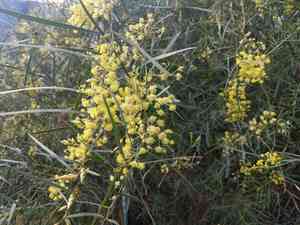
The Flinder's range wattle is characterized by its graceful, drooping leaves and vibrant yellow blossoms. Perform pruning during the winter season, following the blooming period, to stimulate fresh development and preserve its form. Begin by eliminating any dead or ailing wood, then proceed to thin out branches that are crossing. Consistent trimming improves air movement, thereby lowering the chances of pests and diseases, and fosters a robust, dense look. Always ensure your tools are sanitized to avert the spread of pathogens. This winter trimming schedule corresponds with the Flinder's range wattle's natural growth pattern, guaranteeing peak plant vitality and abundant flowering in the subsequent year.
What Are the Benefits of Pruning Flinder's Range Wattle?
What Are the Benefits of Pruning Flinder's Range Wattle?
Trimming flinder's range wattle promotes robust development, maintains its form, and improves its overall look. Proper trimming aids in managing plant size and lowering disease susceptibility. Regular trimming encourages healthier leaves and more abundant blooms.
What Is the Best Time for Pruning Flinder's Range Wattle?
What Is the Best Time for Pruning Flinder's Range Wattle?
Trimming flinder's range wattle in winter is ideal because this period aligns with the plant's dormant phase, reducing stress and allowing for better recovery. Additionally, winter trimming helps preserve the plant's shape and stimulates healthy growth in the upcoming season.
What Tools Do I Need to Prune Flinder's Range Wattle?
Bypass Pruners
Bypass pruners are perfect for making clean cuts on the relatively slender stems of flinder's range wattle. They help prevent crushing plant tissue, encouraging quicker healing.
Lopping Shears
Lopping shears are useful for thicker branches of flinder's range wattle. Their extended handles provide extra leverage, simplifying the cutting of tougher branches without harming the plant.
Pruning Saw
A pruning saw is crucial for cutting larger branches that lopping shears cannot handle. It offers precision and minimizes branch tearing.
Hedge Shears
Hedge shears are suitable for shaping flinder's range wattle and maintaining its desired form. They allow for uniform trims and are especially helpful for aesthetic upkeep.
Long-handled Pole Pruner
A long-handled pole pruner helps reach higher branches of flinder's range wattle without needing a ladder, ensuring safety and easy access.
How to Prune Flinder's Range Wattle
Inspection
Examine flinder's range wattle thoroughly to identify dead and diseased branches.
Sanitization
Sanitize your pruning tools with a 10% bleach solution to prevent the spread of pathogens.
Cut dead branches
Remove dead branches by cutting them back to healthy tissue or the base of the plant using sharp pruning shears.
Remove diseased branches
Cut off diseased branches, ensuring to cut well below the affected area to healthy tissue, and dispose of them properly to prevent re-infection.
Disposal
Clean up all removed plant material from the ground to reduce chances of disease re-infection.
Common Pruning Mistakes with Flinder's Range Wattle
Incorrect Technique
One of the most common mistakes is improper pruning technique. For instance, making jagged cuts or using dull tools can damage the plant and leave it vulnerable to diseases.
Excessive Pruning
Pruning too much at once can stunt the plant's growth and reduce its flowering potential. This can also lead to excessive stress for the plant.
Pruning at the Wrong Time
While the best season for pruning is not covered here, pruning during inappropriate weather or growth stages can negatively impact the plant's vitality. Avoid pruning when the plant is under stress from heat or drought.
Ignoring Dead or Diseased Wood
Neglecting to remove dead, diseased, or damaged branches can allow pests and diseases to spread, weakening the plant overall.
Common Pruning Tips for Flinder's Range Wattle
Clean and Sharp Tools
Always use clean and sharp pruning tools to make precise cuts. This helps in promoting faster healing and preventing the spread of diseases.
Moderate Pruning
Prune moderately to maintain the plant's shape and encourage healthy growth. Generally, removing no more than 25% of the plant's foliage at a time is advisable.
Remove Dead and Diseased Wood
Consistently check and remove any dead or diseased branches. Doing so prevents the spread of pathogens and keeps the plant healthy.
Cut at the Right Place
Make cuts just above a node or a bud facing outward to encourage new growth to develop in the correct direction. Ensuring clean cuts prevents damage and enhances the plant's structure.



