How to Prune Silver wattle?
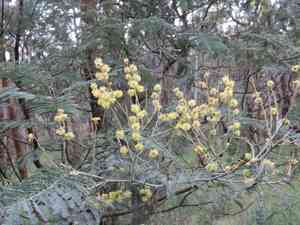
Distinguished by its silvery leaves and soft yellow blossoms, silver wattle thrives with trimming after its winter flowering period. Reduce its size by one-third, concentrating on removing deceased or excessively long branches to preserve its form and encourage vigorous development. Refrain from severe cutting to avert harm. Strategic pruning enhances light exposure and air circulation, which are crucial for its brilliant appearance and resilience against pests or ailments.
What Are the Benefits of Pruning Silver Wattle?
What Are the Benefits of Pruning Silver Wattle?
Trimming silver wattle promotes robust development by eliminating aged or lifeless wood, directing the plant's vitality towards new growth. It also aids in preserving the desired form, enhancing silver wattle's visual appeal.
What Is the Best Time for Pruning Silver Wattle?
What Is the Best Time for Pruning Silver Wattle?
Winter is considered the ideal period for pruning silver wattle as it typically represents a dormant phase for the plant. During dormancy, silver wattle experiences reduced sap flow, minimizing stress and the risk of disease transmission when cuts are made. Pruning at this time stimulates a strong growth response in spring, fostering a healthy structure and improving air circulation. Furthermore, since silver wattle flowers in late winter to early spring, winter pruning allows for the removal of spent blooms and encourages new flowering growth, without significantly impacting future flowering potential.
What Tools Do I Need to Prune Silver Wattle?
Hand Pruners
Perfect for smaller branches of silver wattle, hand pruners enable precise cuts without harming the softer wood. They are suitable for branches up to 3/4 inch in diameter and can be used to shape the plant or remove small, dead, or diseased limbs.
Loppers
Designed to cut through thicker branches up to 2 inches in diameter, which is crucial for managing silver wattle's growth. These tools allow gardeners to reach into denser foliage and provide leverage for making clean cuts on larger branches without straining the user.
Pruning Saw
Essential for removing larger branches that loppers cannot manage. A pruning saw is especially useful for silver wattle, which may have thicker, mature branches requiring trimming to maintain the tree's structure and health.
Pole Pruner
Features a saw and a lopper on an extendable pole, enabling the gardener to safely trim higher branches of silver wattle from the ground. This is particularly important as silver wattle can reach considerable heights, and using ladders for pruning is hazardous.
Gloves and Safety Equipment
While not a cutting tool, protective gloves are vital when pruning silver wattle to shield the gardener's hands from thorns and cuts. Safety glasses should also be worn to protect the eyes from falling debris during the pruning process.
How to Prune Silver Wattle
Step1: Assess for Damaged Branches
Examine silver wattle for damaged wood such as broken, diseased, or dead branches. This type of growth often shows changes in color, texture, or signs of decay. It's best to perform this task in late winter or early spring when silver wattle is still dormant, but after the risk of severe frosts has passed.
Step2: Sterilize Pruning Tools
Sanitize your pruning tools with a diluted bleach solution or alcohol to prevent disease transmission. Use sharp, clean pruning shears for smaller branches and a pruning saw for any thicker limbs.
Step3: Remove Damaged Wood
Start by removing any damaged wood. Make clean cuts at a 45-degree angle, approximately 1/4 inch above a bud facing outwards or at the branch's base where it connects to the trunk or another branch. Avoid leaving stubs as they can become entry points for pests and diseases.
Step4: Thin Out Spindly Growth
Thin out weak, elongated growth to promote better air circulation and light penetration throughout silver wattle. Focus on removing branches that are weak, crowded, or rubbing against each other. Aim to create an open, vase-like structure.
Step5: Prune Previous Season's Flowers
After addressing damaged and spindly growth, concentrate on removing the previous season's flowers. Cut them back to the first set of new leaves to encourage next season's blooms and maintain an aesthetically pleasing shape.
Step6: Shape for Natural Form
Make any necessary structural shaping cuts to preserve silver wattle's natural form. Avoid excessive pruning or cutting into old wood, as silver wattle responds best to minimal trimming.
Step7: Clean Up Debris
After pruning, clear all debris from around silver wattle to help prevent disease. Dispose of or compost any diseased material separately.
Step8: Apply Wound Dressing if Needed
If necessary, apply a wound dressing to any large cuts to protect silver wattle from pests and diseases. However, most pruning cuts will heal naturally without dressing if made correctly.
Step9: Monitor Plant Health Post-Pruning
Observe silver wattle after pruning for signs of stress or disease and ensure it receives adequate water and fertilizer to support healthy regrowth.
Step10: Adjust Pruning Technique Based on Plant Response
Review silver wattle's appearance over subsequent seasons and modify your pruning technique accordingly, noting how silver wattle reacts to pruning and shaping.
Post-Pruning Care for Silver Wattle
Post-Pruning Care for Silver Wattle
Immediately after pruning silver wattle, ensure proper wound care by avoiding sealant application; allow cuts to heal naturally. Maintain suitable environmental conditions, with full sun exposure and protection from extreme temperatures. Regularly monitor soil moistureâsilver wattle prefers well-drained soilâadjusting watering as needed. Support recovery with a balanced fertilizer, rich in phosphorus to promote root health. Vigilantly check for signs of stress or infection at the pruning sites. If symptoms appear, promptly apply appropriate fungicide or insecticide treatments to prevent further damage.
Common Pruning Mistakes with Silver Wattle
Over-pruning and Plant Shock
Trimming too much at once can shock silver wattle, potentially leading to stunted growth or reduced vitality. It's crucial to limit pruning to a reasonable portion of the plant to avoid overstressing it.
Improper Cutting of Old Wood
Cutting into old wood can be harmful as silver wattle may not readily regrow from it. Pruning should focus on younger growth while still being careful not to remove too much of the current year's growth, which can bear flowers.
Using Dull or Unclean Pruning Tools
Using dull or unclean pruning tools can result in jagged cuts and increase the risk of disease. Ensuring tools are sharp and sanitized is vital for clean cuts that heal quickly and reduce the chance of infection.
Neglecting Dead or Diseased Branches
Failing to remove dead, diseased, or crossing branches during pruning can compromise silver wattle's health and appearance. These branches can act as disease vectors and create wounds that attract pests.
Ignoring Plant's Natural Shape
Disregarding silver wattle's natural shape when pruning can lead to an unnatural appearance and potentially harm the plant. It's critical to maintain its natural form for aesthetic reasons and the plant's overall health.
Common Pruning Tips for Silver Wattle
Encouraging Bushiness with Tip Pruning
Selective trimming of the tips of young growth will encourage bushiness in silver wattle, while also preserving its natural, weeping shape. Tip pruning is particularly beneficial right after the bloom cycle.
Making Clean, Angled Cuts Above Nodes
When pruning, always make clean cuts just above a leaf node or bud to facilitate proper healing and new growth. Angled cuts help prevent water collection on the cut surface, which can lead to rot.
Thinning for Light and Air Penetration
Thinning out the canopy is important for light and air penetration, which will enhance silver wattle's health. This should be done carefully to improve the plant's structure without compromising its shape.
Removing Suckers and Water Sprouts
Regularly remove any suckers or water sprouts that appear at the base. These can drain energy from silver wattle and should be pruned back to the main trunk or root from which they're growing.
Sterilizing Pruning Tools to Prevent Disease
Always sterilize your pruning tools before and after use to prevent the spread of disease among your garden plants. This practice is particularly important for silver wattle, which can be sensitive to fungal diseases.



