How to Prune Sonoran indian mallow?
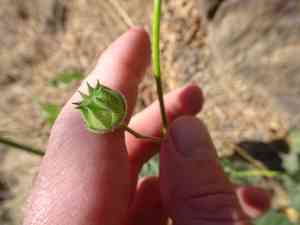
Sonoran indian mallow exhibits delicate, downy foliage and vibrant, campanulate blossoms, establishing it as a prominent garden specimen. The most effective time for trimming is in early spring, prior to the emergence of new shoots. Concentrate on excising deceased or compromised limbs and sculpt the plant to foster air movement and light exposure. This practice encourages more robust development and deters ailments. Trimming sonoran indian mallow assists in preserving its dense form and guarantees prolific blooming. Always employ sanitized, keen implements to avert contamination.
What Are the Benefits of Pruning Sonoran Indian Mallow?
What Are the Benefits of Pruning Sonoran Indian Mallow?
Trimming sonoran indian mallow encourages robust development, maintains its form, boosts blooming, enhances overall look, and aids in pest and disease resistance.
What Is the Best Time for Pruning Sonoran Indian Mallow?
What Is the Best Time for Pruning Sonoran Indian Mallow?
Early spring is the optimal period for pruning sonoran indian mallow as the plant emerges from dormancy. Pruning at this time stimulates strong new growth as the active season commences. Furthermore, trimming in early spring allows for shaping the plant before new foliage and flowers appear, minimizing disruption to its growth cycle and maximizing its health and bloom potential.
What Tools Do I Need to Prune Sonoran Indian Mallow?
Bypass Pruners
Perfect for making clean cuts on living stems and branches without crushing them, crucial for preserving plant vitality.
Loppers
Useful for severing thicker branches that are too large for bypass pruners, often necessary for mature shrubs and plants.
Pruning Saw
Essential for removing larger branches, ensuring neat, accurate cuts that promote proper healing and lessen disease risk.
Hand Shears
Ideal for detailed work and shaping, helping to trim smaller growths and maintain the desired size and form.
How to Prune Sonoran Indian Mallow
Inspection
Start by thoroughly examining sonoran indian mallow to pinpoint diseased leaves, withered leaves, dead branches, and diseased branches.
Cleaning Tools
Ensure all pruning implements are clean and sanitized to prevent disease spread. Use a solution of one part bleach to ten parts water for disinfection.
Remove Diseased Leaves
Carefully snip off any diseased leaves at their base, using sharp pruning shears. Dispose of the trimmed parts away from the plant to avoid contamination.
Remove Withered Leaves
Trim away any withered leaves, cutting them back to their connection point on the stem. Ensure no part of the withered leaves remains on the plant.
Remove Dead and Diseased Branches
Cut back dead and diseased branches using pruning shears or a saw for thicker branches. Make the cut at a 45-degree angle just above a healthy bud or junction.
Common Pruning Mistakes with Sonoran Indian Mallow
Over-pruning
Removing too much of the plant at once can stress sonoran indian mallow, diminish its vigor, and negatively affect flowering.
Incorrect cuts
Making uneven cuts or cutting too close to buds can harm sonoran indian mallow and create entry points for diseases.
Improper tool use
Using dull or dirty tools can injure sonoran indian mallow, leaving jagged edges susceptible to infections.
Pruning at the wrong time
Although the best season is not mentioned, pruning outside the recommended times can lead to poor regrowth and flowering delays.
Common Pruning Tips for Sonoran Indian Mallow
Clean and sharp tools
Ensure all pruning tools are clean and sharp to make precise cuts that heal quickly, reducing the risk of disease for sonoran indian mallow.
Targeted cuts
Focus on removing dead, damaged, or diseased stems first, followed by thinning out overcrowded areas to improve air circulation for sonoran indian mallow.
Cut just above buds
Make cuts just above a healthy bud or branch to encourage optimal regrowth and better flowering in sonoran indian mallow.
Observe and adjust
Regularly monitor sonoran indian mallow's growth, and adjust your pruning strategy as needed to maintain its shape and health.



