How to Prune Momi fir?
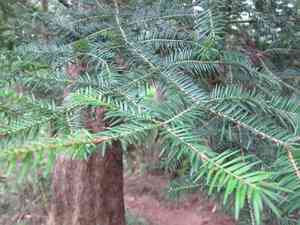
A coniferous evergreen originating from Japan, Abies firma is recognized by its abundant, deep green needles and robust, conical structure. Essential trimming methods for Abies firma involve excising deceased or fractured limbs, reducing crowded sections to enhance air movement, and sculpting for visual appeal. The most suitable period for pruning is in winter, when the tree is inactive. Trimming Abies firma can boost its well-being by averting ailments and fostering vigorous, symmetrical development. Similar to numerous conifers, light pruning is advised to preserve its inherent silhouette.
What Are the Benefits of Pruning Momi Fir?
What Are the Benefits of Pruning Momi Fir?
Trimming momi fir promotes robust development and helps maintain its form. It enables gardeners to manage the structure of momi fir, ensuring it stays healthy and visually appealing while fostering a strong framework for future growth.
What Is the Best Time for Pruning Momi Fir?
What Is the Best Time for Pruning Momi Fir?
Trimming momi fir from late winter to early spring is advantageous because it is dormant then. This timing prevents cutting off new growth essential for photosynthesis and overall energy production for the coming season. Furthermore, pruning wounds heal faster when made just before the active growth phase, reducing the risk of disease and pest infestation. It's also easier to see the structure of momi fir without leaves, allowing for more strategic cuts that preserve the plant's health and desired shape. Avoiding flowering or fruiting periods ensures reproductive success is not compromised.
What Tools Do I Need to Prune Momi Fir?
Hand Pruners
Perfect for making precise cuts on smaller branches of momi fir. They provide clean cuts vital for the plant's well-being.
Lopping Shears
Designed to cut through thicker branches that hand pruners cannot manage, due to both the firmness of momi fir's wood and its relatively larger branch thickness.
Pruning Saw
Essential for cutting branches exceeding 1.5 inches in diameter. This tool allows for removing large limbs of momi fir without harming the remaining plant structure.
Pole Pruner
Useful for reaching higher branches of momi fir without needing a ladder, ensuring safer pruning practices.
How to Prune Momi Fir
Sanitize Tools
Before beginning, clean and disinfect all pruning tools to prevent the spread of diseases to momi fir.
Identify
Carefully inspect momi fir to locate dead or diseased branches; these will often show discoloration, lack of foliage, or visible signs of infection.
Cut Diseased Branches
Using sharp pruning shears, cut diseased branches on momi fir as close to the trunk as possible without damaging the branch collar, to encourage better healing.
Remove Dead Branches
Remove dead branches by making clean cuts at a point beyond the breakage or decay but before the next healthy branch intersection on momi fir.
Dispose
Discard all removed material away from healthy plants to minimize the risk of disease transmission to momi fir or other plants.
Common Pruning Mistakes with Momi Fir
Overpruning
Removing too much foliage from momi fir can cause undue stress and harm to the plant, leading to weakened defenses against pests and diseases.
Improper Cut Location
Incorrect cutting above or below the branch collar may result in poor healing and could invite infections or pests.
Using Dull Tools
Pruning with dull tools can cause rough, jagged cuts that injure momi fir by damaging its tissues, leading to diseases.
Pruning Healthy Growth
Cutting away healthy growth indiscriminately can limit the aesthetic and natural shape of momi fir as well as its overall health.
Ignoring Diseased Limbs
Not removing dead or diseased limbs can allow the disease to spread throughout momi fir, potentially killing the plant.
Common Pruning Tips for Momi Fir
Sharp Clean Tools
Always use sharp, sanitized pruning tools to make clean cuts that heal quickly, minimizing stress on momi fir.
Cut At An Angle
Make pruning cuts at a slight angle, facing away from the bud to prevent water from collecting at the cut site and causing rot.
Prune Damaged Limbs
Regularly remove any dead, broken, or diseased branches to maintain momi fir's health and direct its energy towards new growth.
Thin Crowded Areas
Thin out crowded branches to increase air circulation and light penetration, which helps reduce pest problems and promotes even growth in momi fir.
Follow Natural Shape
When pruning, aim to maintain the natural, pyramidal shape of momi fir, which preserves its structural integrity and desired appearance.



