How to Propagate Winged prickly ash?
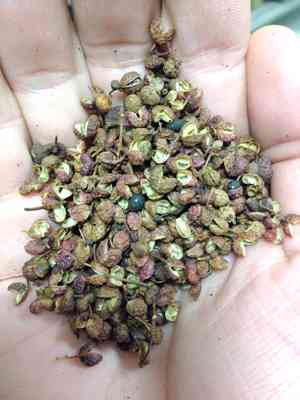
Winged prickly ash can be successfully multiplied via the cutting technique. Cultivators ought to choose robust, established stems to achieve optimal propagation outcomes. Employing sharp, sterilized cutting implements is essential to avert illness. Following the cut, submerging the severed end in rooting compound can stimulate root formation. Insert the cuttings into adequately draining, rich soil and ensure steady hydration to foster development.
Optimal Time for Winged Prickly Ash Propagation
Propagation Method
Cutting
Propagation Period
Autumn,Winter
Tools Required for Winged Prickly Ash Propagation
Sharp Pruning Shears
Crucial for obtaining clean, precise cuttings from winged prickly ash. Sharp blades minimize harm to the parent plant, lowering disease risk and promoting quicker recovery. Quality shears ensure cuttings are robust and viable for propagation.
Rooting Hormone
Stimulates root formation on winged prickly ash cuttings. This powdered or liquid substance is applied to the cut end to encourage root growth, boosting propagation success. Especially useful for winged prickly ash's woody stems, which might otherwise root slowly.
Sterile Potting Mix
Offers a clean, controlled setting for new winged prickly ash roots to grow without competition from common soil pathogens. A light, well-draining mix supports new root health, vital for successful establishment.
Propagation Tray
Holds winged prickly ash cuttings in the potting mix and maintains a moist environment to prevent drying. Trays with clear covers are particularly beneficial for winged prickly ash, allowing light while keeping high humidity, which aids root development.
Misting Bottle
Used to gently provide moisture without disturbing the rooting medium or cuttings. Regular misting helps maintain humidity around winged prickly ash, a key factor in preventing cuttings from drying out and encouraging new root formation.
How to Propagate Winged Prickly Ash?
Propagation Type
Moderately Difficult
Caring for Your Newly Propagated Winged Prickly Ash
Caring for Your Newly Propagated Winged Prickly Ash
Once winged prickly ash cuttings have rooted and new growth appears, gradually introduce them to standard growing conditions. Remove any plastic covers if used, and reduce watering to avoid overwatering. Transplant rooted cuttings into a larger pot or permanent spot with rich, well-draining soil. Ensure winged prickly ash receives partial shade to full sun and moderate watering. During the growing season, fertilize monthly with a balanced product to support healthy growth.
Common Errors to Avoid When Propagating Winged Prickly Ash
Overwatering
Propagating winged prickly ash demands careful water management. Too much water can cause root rot, severely compromising the plant's health and reducing successful propagation chances.
Incorrect cutting selection
Using non-viable or diseased cuttings can lead to failed propagation. It's essential to choose healthy, vigorous cuttings from winged prickly ash to ensure effective root development.
Neglecting sanitation
Failing to sterilize propagation tools or using contaminated soil can introduce pathogens, hindering winged prickly ash's growth and propagation. This error can spread disease among new plants.
Tips For Propagating Winged Prickly Ash
Utilize well-draining soil
Ensuring proper soil drainage is crucial for the root health of winged prickly ash. A well-draining medium prevents excess moisture around the roots, reducing the risk of fungal diseases.
Provide indirect light
Winged prickly ash benefits from indirect sunlight during its initial propagation stages. Direct sunlight can be too intense, potentially harming young plants.
Maintain moderate humidity
Winged prickly ash thrives in environments with moderate humidity. Levels that are too low or too high can hinder its growth, stressing the plant during critical development phases.



