How to Propagate Muscadine?
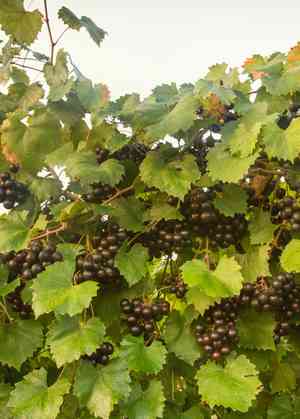
Muscadine vines can be multiplied via softwood cuttings or by layering techniques during the prime propagation period of spring and summer. The level of difficulty for propagation differs, yet indicators of successful propagation encompass robust root formation and foliage emergence. Key recommendations involve employing a rooting stimulant and ensuring ample sunlight and hydration.
Optimal Period for Muscadine Propagation
Propagation Method
Cutting
Propagation Period
Spring,Summer
Equipment for Muscadine Propagation
Sharp Pruning Shears
These are vital for obtaining healthy, precise cuts from the parent muscadine vines without causing undue harm. Their accuracy and keenness guarantee a smooth cut surface on cuttings, fostering better rooting and lowering infection risk.
Rooting Hormone
This substance is applied to the severed end of the muscadine cutting to encourage root growth and boost the likelihood of successful propagation. It contains synthetic auxins that mimic the plant's natural growth hormones, stimulating quicker and more consistent root development.
Sterilizing Solution
Used to sanitize tools and containers prior to beginning the propagation process, this ensures all equipment is free of pathogens that could harm the muscadine cuttings. This item helps establish a controlled, disease-free setting for the propagation phase.
Moisture-Retentive Propagation Medium
A specific soil blend or substrate that maintains the correct moisture level is crucial for muscadine cuttings to develop roots. It offers the necessary support and aeration, promoting healthy root growth without becoming waterlogged.
Plant Pots or Trays
These receptacles are where the muscadine cuttings will be placed to root. They should possess sufficient drainage and be of an appropriate size to support the growth of the muscadine cuttings until they are ready for transplant.
Plastic Dome or Propagation Chamber
A specialized environment that sustains high humidity around the muscadine cuttings is essential for preventing moisture loss. It aids in creating a microclimate that encourages rooting without the young plants drying out.
Heating Mat (Optional)
While muscadine thrives in warm climates, a heating mat can provide a consistent and optimal soil temperature that stimulates rooting, especially when propagating in cooler conditions or seasons.
Misting Spray Bottle
Helps in maintaining elevated humidity levels around the muscadine cuttings, which assists in preventing desiccation and promotes rooting. A fine mist is preferred to avoid soil disturbance and provide gentle hydration.
Post-Propagation Care for Your Muscadine
Post-Propagation Care for Your Muscadine
Once the muscadine cutting has developed roots, gradually acclimate it to drier conditions by removing the plastic cover for increasing durations daily. After 2-3 weeks, transfer it into a larger container with rich, well-draining soil. Provide a support structure, such as a trellis or fence, for the developing vine to ascend. Water regularly to keep the soil slightly moist, and fertilize with a balanced, slow-release fertilizer according to product instructions. As a vigorous grower, muscadine will benefit from annual winter pruning to maintain shape and encourage fruiting.
Common Errors to Avoid During Muscadine Propagation
Ignoring soil composition
Utilizing a soil mix that lacks proper drainage can lead to root rot in muscadine. The plant's roots require well-draining soil to prevent waterlogging.
Over-pruning
Removing too many leaves or stems during the propagation process can stress muscadine, limiting the essential energy it needs to develop strong roots.
Inappropriate cutting size
Propagators sometimes take cuttings that are either too small or too large. Small cuttings may lack sufficient stored energy for root growth, while very large cuttings might be difficult to sustain.
Neglecting humidity
Maintaining a high humidity environment is vital for muscadine cuttings to form new roots. Disregarding this requirement may result in dehydration and failure to root.
Improper timing of cuttings
Taking cuttings at the wrong stage of growth can be detrimental to the success of root formation. Cuttings should be semi-hardwood for optimal propagation.
Using dull tools
Making cuts with dull tools can damage the plant tissue, impeding the healing process and potentially introducing disease pathways.
Advice for Propagating Muscadine
Proper cutting technique
Snip semi-hardwood cuttings from healthy muscadine vines just below a node, at a length of 4-6 inches, ensuring a clean and angled cut to increase the area available for rooting.
Rooting hormone use
Applying a rooting hormone to the cut end of muscadine cuttings can promote faster and more reliable root development.
Sterilize equipment
Clean and sterilize all cutting tools before use to prevent the spread of disease to muscadine cuttings.
Controlled environment
Place the cuttings in a controlled environment with consistent temperature and high humidity to support rooting. This can be achieved using a propagation chamber or a plastic cover to retain moisture.
Adequate watering
Keep the soil of muscadine cuttings moist but not waterlogged. Overwatering can lead to fungal diseases, whereas underwatering can cause the cuttings to dry out.
Use of soil amendments
Incorporate perlite, vermiculite, or sand into the potting mix to enhance drainage and aeration, creating an ideal environment for muscadine's root development.



