How to Propagate Japanese violet?
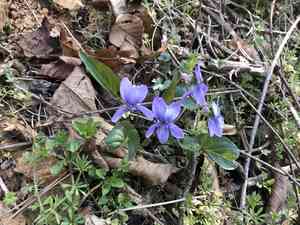
Originating in East Asia, japanese violet is a herbaceous perennial valued for its violet flowers. For propagation, individuals commonly obtain cuttings from a robust, mature japanese violet. These ought to be severed from stems that are not blooming to facilitate superior root formation. The plants might necessitate a soil blend that drains effectively and steady hydration, avoiding saturation, to guarantee thriving development. Positioning them in filtered light should encourage rooting, subsequently allowing the young japanese violet to progressively adapt to their permanent cultivation environment.
When Is the Optimal Time to Propagate Japanese Violet?
Propagation Method
Cutting
Propagation Period
Spring,Summer
What Equipment Is Used for Japanese Violet Propagation?
Sharp pruning shears
These are crucial for making clean, healthy cuts from japanese violet. The sharp blades prevent crushing or damaging the cuttings, which could impede rooting and growth. Clean cuts promote faster healing of the cut surface, reducing infection risk and improving propagation success.
Rooting hormone
This chemical helps stimulate root development from japanese violet cuttings. Applying rooting hormone to fresh stems encourages quicker and more uniform root formation. This is especially beneficial for increasing the rooting success rate of japanese violet, which might otherwise root unevenly or slowly.
Sterile potting mix
A high-quality, sterile potting mix offers a clean, controlled environment for japanese violet cuttings to develop roots. Sterility prevents pathogen spread that could harm cuttings before establishment. It's vital for ensuring japanese violet's health and viability during the critical early root development stage.
Propagation tray with humidity dome
This setup helps maintain ideal humidity and temperature for japanese violet cuttings, essential for root development. The dome retains moisture and warmth, creating a microenvironment that aids effective rooting. This tool is particularly valuable for maintaining the delicate balance needed during initial propagation phases.
Heat mat
A heat mat can be placed beneath the propagation tray to provide consistent bottom warmth, which benefits root growth in japanese violet. Temperature control is crucial for encouraging effective rooting, especially in cooler climates or seasons when ambient temperatures may not be optimal for propagation.
How to Propagate Japanese Violet?
Propagation Difficulty
Easy
How to Care for Your Newly Propagated Japanese Violet?
How to Care for Your Newly Propagated Japanese Violet?
Post-propagation, gradually introduce japanese violet to less humid conditions by progressively removing the covering. Maintain moist, well-drained soil and provide partial shade to prevent scorching young plants. Regularly inspect for pests or diseases and treat as needed to ensure healthy growth.
Common Errors to Avoid When Propagating Japanese Violet
Overwatering
Excessive watering of japanese violet can lead to root rot, which is detrimental to health and can severely impair the plant's ability to establish during propagation. Saturated soil conditions can suffocate roots, preventing nutrient absorption.
Using poor soil mix
Employing an unsuitable soil mixture for japanese violet can hinder root growth and affect water drainage. An improper soil mix can result in either excessive moisture retention or insufficient water retention, both of which can harm root development and plant health.
Excessive handling
Handling the delicate roots of japanese violet too often or too roughly can cause physical damage, leading to stress, which diminishes the plant's overall vitality and its ability to propagate successfully.
Advice For Propagating Japanese Violet
Appropriate soil mix
Utilize a well-draining, fertile soil mix for japanese violet to ensure optimal moisture retention and nutrient availability. A blend containing organic matter like peat or compost with some perlite or vermiculite can support healthy root growth.
Moderate watering
Water japanese violet moderately to maintain slightly moist soil conditions, which encourages root development without causing waterlogging. Ensure the pot has good drainage to prevent excess water retention.
Gentle handling
Handle japanese violet with care during propagation, especially when separating roots or transplanting. Minimize root disturbance to prevent stress and ensure rapid recovery and growth.



