How to Propagate Three-colored vanda?
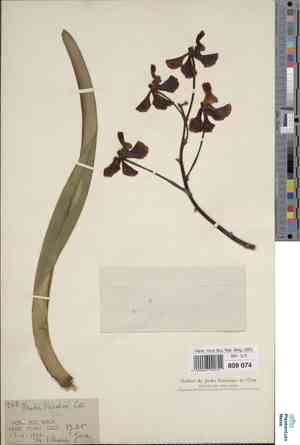
Vanda tricolor, an epiphytic orchid indigenous to Southeast Asia, flourishes and is recognized for its vivid blossoms. Reproduction can be achieved via division, which entails carefully detaching robust root systems and verifying that each segment possesses an active growth tip. Employ a disinfected instrument and allow the separated portions to air-dry prior to potting. Sustain a moist atmosphere and adequate illumination to encourage development. Root segments require a well-draining substrate and steady hydration without saturation to prevent decay.
When Is the Optimal Time to Propagate Three-colored Vanda?
Propagation Method
Division
Propagation Period
Spring,Autumn
What Implements Are Utilized in Three-colored Vanda Propagation?
Sterile Pruning Shears
Pruning shears are crucial for making precise cuts when separating three-colored vanda. They prevent damage to roots and stems, thereby minimizing infection risk and encouraging healthy regrowth.
Vigorous Parent Plant
A robust parent plant is essential for successful division. It supplies strong material for propagation, increasing the new plants' chances of survival and development.
Rooting Hormone
Rooting hormone boosts root formation when three-colored vanda is divided. Applying a rooting hormone aids in stimulating faster and stronger root growth, ensuring the new plant establishes itself effectively.
Orchid Bark Mix
An orchid bark mix is necessary for potting the divided three-colored vanda. This substrate offers excellent drainage and aeration, vital for orchid health, preventing issues like root decay.
Sterilizing Solution
Sterilizing solution is employed to sanitize tools prior to use. This lowers the risk of transmitting diseases or pests to three-colored vanda during division, ensuring a healthy beginning for the new plants.
Water Spray Bottle
A water spray bottle is beneficial for maintaining ideal humidity and moisture levels around the separated parts of three-colored vanda. Appropriate humidity is crucial for preventing dehydration during the initial reestablishment phases.
Transparent Plastic Bags or Humidity Dome
These are used to establish a controlled humid environment around newly divided three-colored vanda. Sufficient humidity supports root development and lessens transplant shock.
Sharp Knife
A sharp knife might be required for more exact cuts, especially when dealing with thicker roots or stems of three-colored vanda. This guarantees clean divisions without crushing plant tissue.
Mesh Pots
Mesh pots provide the necessary aeration for the roots of three-colored vanda, allowing them to breathe and preventing waterlogging. They are particularly advantageous for orchids accustomed to well-ventilated conditions.
How to Propagate Three-colored Vanda?
Propagation Type
Easy
How to Nurture Your Newly Propagated Three-colored Vanda?
How to Nurture Your Newly Propagated Three-colored Vanda?
Post-propagation care for three-colored vanda involves maintaining high humidity and providing bright, indirect illumination. Water sparingly until new growth emerges, then resume regular watering, ensuring the medium dries slightly between waterings. Fertilize the plant with a balanced orchid feed every two weeks during the growing season. Continuously monitor for pests and diseases, and ensure good air circulation to maintain overall plant vitality.
Common Errors to Avoid When Propagating Three-colored Vanda
Overwatering
Excessive moisture can lead to root decay, which is detrimental to the well-being of three-colored vanda.
Poor Lighting
Three-colored vanda requires bright, indirect light. Insufficient illumination can hinder growth and impede successful propagation.
Improper Medium
Using a substrate that retains too much moisture or lacks proper aeration can impede root development.
Incorrect Humidity Levels
Failing to maintain adequate humidity can cause the plant to dehydrate and prevent successful propagation.
Inadequate Air Circulation
Lack of proper air movement can lead to fungal infections and unfavorable growth conditions.
Tips For Propagating Three-colored Vanda
Use Well-Draining Medium
Select a substrate that allows excess water to drain and provides sufficient aeration for roots.
Maintain Proper Humidity
Keep the humidity level around 70-80% to create an ideal environment for three-colored vanda.
Provide Bright, Indirect Light
Three-colored vanda thrives in conditions with ample indirect light, promoting healthy development.
Ensure Good Air Circulation
Utilize fans or place three-colored vanda in an area with natural airflow to prevent fungal infections and encourage vigorous growth.
Water Judiciously
Allow the medium to dry out slightly between waterings to prevent root rot and other moisture-related issues.



