How to Propagate Sweet acacia?
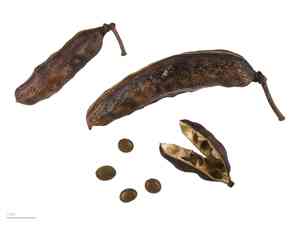
Sweet acacia is best propagated in the spring, employing either cuttings or layering methods. This species presents a moderate challenge for propagation, with the emergence of new leaves indicating successful establishment. Maintaining appropriate humidity and warmth is essential for successful propagation.
Optimal Time for Sweet Acacia Propagation
Propagation Type
Cutting
Propagation Season
Autumn,Winter
Tools for Sweet Acacia Propagation
Sharp pruning shears
Pruning shears are vital for taking sweet acacia cuttings with clean, precise cuts. Sharp blades ensure quick cuts, minimizing damage to the parent plant and boosting the cutting's rooting ability. Clean, accurate tools reduce infection risk and stress, crucial for new plant establishment.
Rooting hormone
Rooting hormone encourages root growth from sweet acacia cuttings. Dipping the cut end into the hormone speeds up root initiation and development, especially beneficial for sweet acacia's woody stems. This increases the likelihood of successful propagation and plant establishment.
Sterile potting mix
A sterile potting mix provides a disease-free environment for sweet acacia cuttings to root. The mix must drain well yet retain enough moisture to keep the cutting hydrated. This balance prevents root rot and other moisture issues, optimizing root development.
Propagation trays or pots
Trays or pots are necessary to hold the sterile potting mix where sweet acacia cuttings will be placed. The size should fit the cuttings' length and allow for initial root growth. Proper drainage is essential to prevent water pooling and allow excess water to escape, avoiding waterlogged cuttings.
Plastic bags or humidity domes
Humidity is crucial for sweet acacia cuttings to prevent drying out before roots form. Covering the setup with a plastic bag or using a humidity dome maintains high humidity around the cuttings, mimicking a greenhouse and aiding successful propagation.
Labels and markers
Labels and markers are helpful for tracking the propagation process. They can be used to record when sweet acacia cuttings were taken and any specific conditions or treatments applied. This organization assists in monitoring progress and ensuring proper care throughout development.
Caring for Your Newly Propagated Sweet Acacia
How to Care for Your Newly Propagated Sweet Acacia?
Once sweet acacia cuttings have rooted, gradually introduce them to outdoor conditions by removing the humidity dome and increasing airflow. Transplant them to larger pots or a suitable garden spot when roots are well-formed and new growth appears. Water sweet acacia deeply and regularly, but allow soil to dry between waterings, as it is drought-tolerant. Full sun is preferred for optimal growth. Continue to monitor sweet acacia's health and protect it from pests and diseases as needed.
Common Propagation Mistakes with Sweet Acacia
Overwatering
Excessive watering can cause root rot, which is harmful to sweet acacia's health. The plant naturally thrives in semi-arid conditions, so too much moisture is not conducive to its optimal growth.
Using poor draining soil
Poorly draining soil leads to water accumulation, hindering healthy root growth in sweet acacia. Sweet acacia needs soil that mimics its naturally dry habitat for successful propagation.
Planting seeds too deep
Sowing sweet acacia seeds too deeply can impede successful germination. Seeds require proximity to the surface to ensure adequate light and air exposure.
Neglecting light requirements
Sweet acacia flourishes in full sun. Insufficient light can impede the plant's growth, reducing its chances of successful propagation.
Over-fertilizing
Excessive fertilization can damage the developing roots of sweet acacia. This plant species adapts well to lean, less fertile soils and does not require high nutrient levels for initial growth.
Tips For Propagating Sweet Acacia
Use well-draining soil
A well-draining soil mix promotes healthy root development for sweet acacia and prevents waterlogging, which is crucial for propagation.
Provide full sun exposure
Ensuring sweet acacia receives full sun exposure during propagation aligns with its natural preference for bright conditions, fostering robust growth.
Moderate watering
A moderate watering regimen that allows the soil to dry between watering sessions is vital for sweet acacia, as this prevents root rot and mimics its natural growing conditions.
Mimic natural stratification for seeds
If propagating sweet acacia from seeds, mimicking the natural stratification process can enhance germination rates. This involves exposing seeds to the conditions they would naturally experience in the wild.
Gentle fertilization
Applying a balanced, gentle fertilizer can support healthy growth in sweet acacia without overwhelming it with excess nutrients that could harm the delicate root system.



