How to Propagate Coltsfoot?
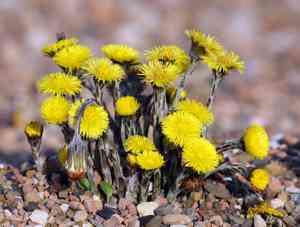
Coltsfoot is most effectively multiplied through separation during the appropriate periods of spring and fall. Its propagation presents a moderate level of challenge, and successful multiplication is indicated by the emergence of fresh sprouts and root development. Consistent hydration and a substrate that drains efficiently are essential for successful division.
When Is the Optimal Time to Propagate Coltsfoot?
Propagation Method
Division
Propagation Period
Spring, Autumn
What Implements Are Utilized in Coltsfoot Propagation?
Garden Fork
A garden fork is crucial for dividing coltsfoot. It's employed to gently lift and separate root clusters without causing excessive root damage. The fork's tines glide through the soil, enabling careful root teasing.
Sharp Knife or Pruners
These instruments are used to cut through tough, intertwined roots during the division process. They must be sharp to ensure clean cuts that promote rapid healing and reduce disease risk for coltsfoot. A sterilized blade is vital to prevent pathogen transmission.
Spade or Shovel
A spade or shovel is necessary to excavate the plant prior to division. They are used to dig around the root ball with minimal disturbance to coltsfoot, preserving a healthy root system for propagation.
Watering Can or Hose
Following division, coltsfoot requires sufficient water to aid in establishing the new divisions. A watering can or hose with a gentle spray setting ensures even water distribution without eroding soil or harming young plants.
Rooting Hormone
While not always essential, rooting hormone can be applied to the cut ends of divided roots to encourage quicker root development and enhance the success rates of new coltsfoot plants.
Plant Labels
Used to mark newly divided plants, plant labels enable proper identification and tracking of coltsfoot's growth progress. This is especially useful when managing multiple divisions or conducting experiments with varying propagation conditions.
How to Propagate Coltsfoot?
Propagation Method
Division
Difficulty Level
Easy
How to Care for Your Newly Propagated Coltsfoot?
How to Care for Your Newly Propagated Coltsfoot?
After propagating coltsfoot, maintain consistently moist but not waterlogged soil. Coltsfoot tolerates various soil conditions but prefers moist, well-drained soil. During the initial growing season, ensure new plants are watered during extended dry periods to encourage robust root development. As plants establish, they'll need less attention and can withstand some drought. Fertilize lightly with a balanced fertilizer in early spring. In subsequent years, divide coltsfoot as needed to manage its spread.
Common Errors to Avoid When Propagating Coltsfoot
Overwatering
While coltsfoot favors moist conditions, excessive watering can lead to root rot and fungal diseases, potentially killing young plants. This error hinders growth and reduces successful propagation.
Poor soil drainage
Using soil that retains too much water can suffocate coltsfoot's roots. Inadequate drainage compromises root health and impedes new shoot development.
Ignoring local regulations
Coltsfoot is considered invasive in some regions. Propagating coltsfoot without checking local rules might inadvertently promote its spread, potentially disrupting local ecosystems.
Overcrowding
Planting coltsfoot too closely can result in competition for nutrients, light, and space, which can impede plant growth and spread.
Neglecting division
Failing to divide coltsfoot regularly can lead to reduced vigor and overgrown, tangled clumps that are less productive and harder to manage.
Advice For Propagating Coltsfoot
Root division
Dividing mature coltsfoot plants in spring can yield healthy starts that grow rapidly. This ensures genetic consistency and vigorous growth.
Leaf mold
Utilizing leaf mold as a soil amendment can provide the organic matter and moisture retention that coltsfoot thrives in without waterlogging the soil.
Adequate spacing
Ensuring coltsfoot has sufficient room to grow will help prevent disease and allow each plant to receive enough sunlight and nutrients.
Pest management
Regularly inspecting coltsfoot for pests and treating them promptly can prevent infestations that could jeopardize propagation efforts.
Containment strategies
To prevent uncontrolled spread, use barriers or pots to contain coltsfoot's vigorous growth and ensure all plant material is disposed of responsibly.



