How to Propagate Water gum?
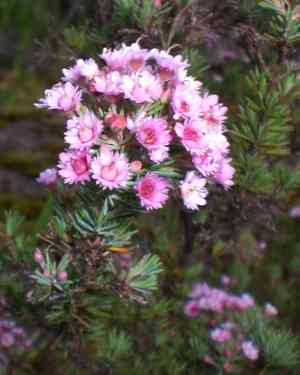
Water gum can be effectively multiplied, primarily by employing the technique of cuttings. To attain optimal outcomes, it is prudent to choose robust semi-lignified sections from the source plant. Every cutting ought to possess several leaves and be coated with a rooting compound to hasten root formation. Afterward, these prepared cuttings need to be inserted into a substrate of free-draining earth and kept suitably damp until rooting commences. It is suggested to furnish a moist yet airy setting to deter fungal proliferation, while guaranteeing sufficient warmth to aid the initial phases of development.
What Is the Best Time To Propagate Water Gum?
Propagation Type
Cutting
Propagation Season
Autumn,Winter
What Tools Are Used in Water Gum Propagation?
Sharp Pruning Shears
Keen pruning shears are vital for taking clean, precise cuttings from water gum. Clean cuts help prevent disease and ensure quicker healing of the parent plant. The sharpness of the shears is crucial for minimizing tissue damage, which aids in successful rooting.
Rooting Hormone
Rooting hormone encourages root development at the cut end of water gum cuttings, increasing the likelihood of successful propagation. This product typically contains auxins, which stimulate root formation. Applying rooting hormone ensures stronger and faster root growth, crucial for the viability of new plants.
Sterile Potting Mix
A sterile potting mix is essential for the initial planting of water gum cuttings, as it is free of pathogens that could harm vulnerable cuttings. The mix provides necessary support and aeration, promoting healthy root growth without the risk of disease that standard garden soil might carry.
Humidity Dome
A humidity dome helps maintain a high humidity environment around water gum cuttings, critical for preventing dehydration until the cuttings can establish their own root systems. The dome also helps maintain stable temperature conditions, which can further enhance rooting efficiency.
Heat Mat
A heat mat can be used to maintain an optimal soil temperature, promoting root development for water gum cuttings. Warmth is especially beneficial during cooler months or in cooler climates, ensuring consistent heat which is crucial for tropical and subtropical plants like water gum.
How to Propagate Water Gum?
Propagation Type
Moderately Difficult
How to Care for Your Newly Propagated Water Gum?
How to Care for Your Newly Propagated Water Gum?
Once roots have formed, usually evident after a few weeks, gradually acclimate water gum to outdoor conditions if grown inside. Water the new plants regularly, letting the soil dry out slightly between watering. Water gum thrives in a full sun to part shade location with well-drained soil. For optimal growth, apply a balanced, slow-release fertilizer every spring before the onset of new growth.
Common Mistakes to Avoid When Propagating Water Gum
Inadequate watering
Either too much or too little water can be detrimental for water gum. Overwatering can lead to root rot, while underwatering, especially in young plants, can cause stress and hinder growth.
Using poor quality cuttings
Utilizing diseased or weak cuttings for propagation can result in poor establishment and growth of water gum. Weak cuttings are less likely to root successfully and more susceptible to disease.
Ignoring local climate conditions
Failing to consider the local climate when planting water gum can lead to unsuccessful propagation. Water gum thrives in specific climatic conditions, and not accommodating these can affect plant survival.
Tips For Propagating Water Gum
Water management
Provide consistent moisture but ensure good drainage to avoid waterlogging. This balance is crucial for the health of water gum, promoting strong root development while preventing rot.
Select healthy cuttings
Always choose vigorous, healthy cuttings for propagation. These should be free from signs of stress, disease, or damage to ensure the best chance of successful rooting and growth.
Climate adaptation
Select a planting site for water gum that matches its climatic preferences. Consider factors such as sunlight, humidity, and temperature to optimize the conditions for growth and development.



