How to Propagate Baby lime?
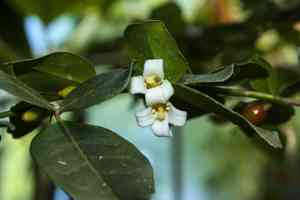
Baby lime flourishes when reproduced via grafting, a technique specifically suited for this variety due to its affinity with analogous rootstocks. To achieve successful grafting, verify that both the scion and rootstock are robust and of appropriate dimensions. Precise incisions and correct positioning improve the likelihood of a successful bond. After grafting, care entails preserving moisture and offering shade to aid the new graft until it is completely settled, thereby boosting its development and vigor.
Optimal Time for Baby Lime Propagation
Propagation Method
Grafting
Propagation Period
Spring,Winter
Tools Required for Baby Lime Propagation
Grafting Knife
A grafting knife is essential for making precise cuts on the scion and rootstock of baby lime. The sharp, thin blade ensures clean cuts that are crucial for successful grafting. This precision helps promote better contact between the vascular tissues of the scion and rootstock, leading to a higher success rate in graft binding and survival.
Grafting Tape or Strips
Grafting tape is used to securely bind the scion to the rootstock after grafting. For baby lime, it helps maintain the necessary alignment and pressure, ensuring the graft union remains intact during the healing process. The tape also protects the graft area from moisture loss and contaminants.
Rooting Hormone (optional for rootstock enhancement)
While not mandatory, rooting hormone can be used to stimulate root growth on the rootstock of baby lime if the graft involves sections that might benefit from enhanced root development. This increases the overall vigor and stability of the plant post-grafting.
Sterilizing Solution
To prevent disease transmission during grafting, all tools should be sterilized before use. A sterilizing solution applied to the grafting knife and other equipment ensures baby lime remains healthy and free from pathogens which might compromise graft success.
Propagating Baby Lime: A Guide
Propagation Difficulty
Moderately Difficult
Post-Propagation Care for Baby Lime
Post-Propagation Care for Baby Lime
Once the graft has taken and new growth commences, gradually introduce the baby lime to more sunlight. Water the plant when the top inch of the soil dries out, ensuring the soil remains moist but not waterlogged. Feed baby lime with a balanced citrus fertilizer according to product instructions, particularly during the growing season. Regularly inspect the plant for pests and diseases, treating them promptly if they appear. Pruning should be done to encourage a strong structure and adequate airflow through the branches, which helps in overall plant health and fruit production.
Common Errors to Avoid When Propagating Baby Lime
Overwatering
Excessive watering can lead to root rot, which is detrimental to baby lime's delicate root system. Overwatering can suffocate the roots, preventing them from absorbing oxygen and nutrients efficiently.
Using Unsterilized Tools
Cutting or manipulating baby lime with unsterilized tools can introduce harmful pathogens to the plant. This increases the risk of diseases, which can severely impede the propagation process and plant health.
Improper Cutting Selection
Choosing weak or disease-infected stems for cuttings can result in poor root development and growth. Healthy, vigorous stems are crucial for successful propagation of baby lime.
Inadequate Light
Insufficient light can weaken baby lime during the rooting phase, leading to spindly growth and a reduced survival rate. Proper lighting is vital for energy production and overall plant vigor.
Helpful Hints for Propagating Baby Lime
Use Rooting Hormones
Applying a rooting hormone to the cuttings of baby lime can significantly enhance root development, improving the chances of successful establishment.
Maintain High Humidity
Keeping the environment humid around baby lime cuttings helps prevent moisture loss from leaves, encouraging better rooting without the stress of dehydration.
Select Healthy Donor Plants
Always propagate baby lime from robust and disease-free plants to ensure the best genetic qualities are carried forward and to enhance the likelihood of healthy growth.
Provide Indirect Light
Positioning baby lime in bright, indirect light encourages optimal photosynthesis while preventing leaf burn, ensuring a strong start for your propagated plants.



