How to Propagate Sea clover?
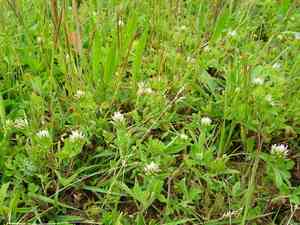
The most effective method for propagating sea clover is via seeding, a procedure made more efficient by providing optimal conditions for seed sprouting. This entails utilizing a rich, well-draining growing medium, with a thin layer of soil over the seeds to replicate their native seaside environments. Continuously damp, but not saturated, soil encourages robust seedling emergence. It is crucial to prevent excessive density, as this can result in underdeveloped growth and heightened vulnerability to ailments.
Optimal Time for Sea Clover Propagation
Propagation Method
Seeding
Propagation Period
Spring
Tools for Sea Clover Propagation
Seed trays
Seed trays are vital for uniform seed distribution and efficient management of young seedlings. They offer superior control over the growing environment, which is crucial for sea clover's germination and initial growth. Their shallow design ensures small sea clover seeds aren't buried too deeply and facilitates easy monitoring of soil moisture and seedling progress.
Fine-textured seed starting mix
A fine-textured seed starting mix encourages superior root development and moisture retention, boosting germination rates for sea clover. The mix's texture is especially suitable for the small seeds of sea clover, providing the correct balance of aeration and moisture essential for seedling survival and growth.
Misting bottle
A misting bottle provides a gentle method to water seedlings without dislodging the tiny sea clover seeds. Consistent misting keeps the soil damp, which is crucial for germination. The fine spray ensures delicate new sea clover sprouts are not damaged by heavy water droplets, maintaining optimal humidity around the seedlings.
Heat mat
A heat mat is highly beneficial for sea clover as it improves germination by maintaining a steady soil temperature. Given that sea clover may have specific temperature needs, the regulated warmth from a heat mat supports consistent and faster seed sprouting.
Grow lights
Grow lights are essential for delivering consistent and sufficient illumination, which sea clover seedlings need for photosynthesis and healthy development, particularly in areas lacking natural sunlight. The ability to adjust light intensity and duration helps simulate ideal growing conditions for sea clover, fostering stronger, healthier seedlings.
How to Propagate Sea Clover?
Propagation Type
Simple
Caring for Newly Propagated Sea Clover
Caring for Newly Propagated Sea Clover
Post-propagation, continue to provide sea clover with ample sunlight and regular watering, allowing the soil to dry slightly between waterings. Sea clover plants generally thrive in cooler temperatures and can withstand coastal and saline conditions, which should be considered when selecting a planting location. Regularly inspect for pests and diseases, especially in dense plantings where air circulation might be limited. As a legume, sea clover may benefit from occasional fertilization with a phosphorus-rich fertilizer to support root and bloom development, but avoid over-fertilizing as they naturally have low nutrient demands.
Common Mistakes to Avoid When Propagating Sea Clover
Overwatering
This error can cause root rot in sea clover, which thrives better with moderate moisture. Excessive water can suffocate the plant's roots, hindering its ability to absorb nutrients and making it vulnerable to diseases.
Deep planting
Planting sea clover seeds or seedlings too deeply can impede their ability to emerge and establish. This species requires light for optimal germination; buried too deep, the seeds might fail to sprout, limiting propagation success.
Neglecting soil conditions
Using unsuitable soil types that do not drain well or retain too much moisture can negatively impact sea clover's growth. This plant prefers well-drained soils, and failing to provide such conditions can stunt growth or lead to disease.
Tips For Propagating Sea Clover
Moderate watering
Ensuring balanced watering helps maintain the ideal soil moisture level for sea clover. Moderate watering promotes healthy root development and prevents issues associated with both insufficient and excessive watering.
Surface sowing
Since sea clover seeds need light for germination, they should be sown on the soil surface or lightly covered with soil. This practice encourages effective germination by allowing light to reach the seeds, which is crucial for their development.
Soil preparation
Preparing a well-drained soil mix that mimics sea clover's natural sandy habitat can enhance growth and propagation success. Incorporating organic matter like compost can also improve soil structure and nutrient availability, supporting robust plant health.



