How to Propagate Mother of thyme?
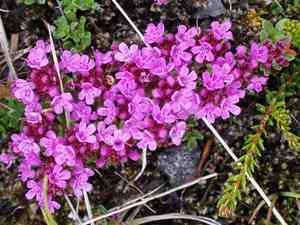
Thymus serpyllum is most effectively multiplied via stem sections during the spring or summer seasons. Its propagation is quite straightforward, with fresh development on the cuttings indicating success. It is crucial to ensure adequate hydration is sustained throughout the rooting process.
Optimal Time for Mother Of Thyme Propagation
Propagation Method
Cutting
Propagation Period
Spring, Summer
Tools for Mother Of Thyme Propagation
Sharp pruning shears or scissors
These instruments are utilized for obtaining precise cuts from the parent mother of thyme plant, which is crucial for avoiding tissue damage. Clean cuts promote a higher rooting success rate for the cuttings. Their sharpness is especially advantageous for mother of thyme as it reduces harm and stress to the plants, which could otherwise lead to infection or inadequate root formation.
Rooting hormone powder or gel
This product aids in stimulating root development on mother of thyme cuttings. When applied to the severed end of a cutting, it can boost the likelihood of successful rooting and establishment. It is particularly vital for mother of thyme, whose cuttings might otherwise root slowly or with less vigor, thus a rooting hormone can significantly improve outcomes.
Sterile potting mix
A well-draining, sterile potting medium offers an ideal environment for mother of thyme cuttings to establish roots. It lowers the risk of soil-borne diseases affecting the new cuttings. The sterility and texture of the mix are important for supporting the delicate new roots of mother of thyme without retaining excessive water that could cause rot.
Propagation tray or small pots
These containers are employed to plant the prepared mother of thyme cuttings. The trays or pots provide a stable setting for the cuttings to develop their root systems. They should possess adequate drainage to prevent waterlogging, a condition that can be detrimental to mother of thyme cuttings.
Plastic dome or transparent cover
Maintaining high humidity around mother of thyme cuttings is essential for success, and a plastic dome or cover over the propagation tray can create a mini-greenhouse effect. This helps prevent the cuttings from drying out before they can establish roots, which is critical for mother of thyme due to its preference for consistent moisture during rooting.
Misting bottle
Used for gently hydrating the mother of thyme cuttings, ensuring the soil remains moist but not excessively wet. This targeted watering approach allows for control over moisture levels around the cuttings, facilitating optimal root development without oversaturating the soil.
Heat mat (optional)
While not mandatory, a heat mat can be used to provide bottom warmth, which can encourage faster rooting in mother of thyme cuttings. Consistent heat can particularly benefit the rooting process of mother of thyme when propagating in cooler climates or seasons.
How to Propagate Mother Of Thyme?
Propagation Type
Cutting
Difficulty Level
Easy
Caring for Newly Propagated Mother Of Thyme
Caring for Newly Propagated Mother Of Thyme
Post-propagation, continue to care for mother of thyme by ensuring it is situated in well-drained soil with exposure to full sun to partial shade. Water the plant regularly, but allow the soil to dry out between waterings to prevent root rot. Lightly prune mother of thyme to encourage a bushier growth habit and improve air circulation within the plant. Fertilize with a balanced, all-purpose fertilizer in the spring, and apply a layer of mulch to conserve moisture. Finally, protect mother of thyme from extreme cold by providing winter cover in colder climates.
Common Propagation Mistakes for Mother Of Thyme
Overwatering
Excessive watering of mother of thyme can lead to root rot, as it prefers well-drained soils. This can severely impact the plant's health and hinder growth.
Using poor soil
Attempting to propagate mother of thyme in inadequate or non-draining soil can be harmful, as it thrives in well-draining and gritty soil mixes that mimic its natural rocky habitat.
Deep planting
Planting mother of thyme cuttings or seeds too deeply can impede proper rooting and shoot emergence. They require a more shallow planting for success.
Ignoring disease control
Neglecting to monitor and manage diseases, especially fungal issues, when propagating mother of thyme can quickly destroy young plants or cuttings.
Overcrowding
Overcrowding mother of thyme cuttings or seedlings restricts their access to light and air circulation, increasing the risk of diseases and poor development.
Tips For Propagating Mother Of Thyme
Cutting selection
Choose healthy, non-flowering stems for cuttings to ensure energy is directed towards root development rather than flower production.
Sterile environment
Utilize clean and sterilized equipment and pots when propagating mother of thyme to minimize the risk of disease transmission.
Humidity and airflow
Maintain a balance of humidity and airflow around mother of thyme cuttings to prevent fungal growth while still providing sufficient moisture to encourage rooting.
Soil conditioning
Incorporate sand or gravel into the propagation medium to mimic mother of thyme's preferred conditions and enhance drainage and aeration.
Moderate watering
Water mother of thyme cuttings and seedlings moderately, ensuring the soil is damp but not saturated to prevent root rot and other moisture-related issues.



